Introduction
The UPSC Science and Technology Syllabus 2027 is not a conventional textbook-style syllabus. UPSC combines broad scientific awareness with current developments, applications, Indian achievements, emerging technologies and their implications for society, economy, security and governance.
For UPSC Prelims, Science and Technology is primarily covered under General Science in General Studies Paper I, while current developments can also overlap with environment, economy and other areas. For UPSC Mains, Science and Technology has a clearly defined place in General Studies Paper III (GS Paper III).
The important point is that UPSC does not provide a chapter-by-chapter Science and Technology syllabus. Therefore, the topic-wise framework below is an exam-oriented interpretation of the official syllabus, not an official list issued by UPSC.
If you are building your overall UPSC preparation strategy, also read our UPSC Prelims 2027 Strategy & Study Plan for a structured approach to the examination.
UPSC Science and Technology Syllabus 2027: Official Position
1. Science and Technology in UPSC Prelims
Understanding the UPSC Science and Technology Syllabus 2027 begins with knowing how Science and Technology is represented in the official Prelims syllabus.
The official UPSC Prelims syllabus does not have a separate heading called “Science and Technology.”
Instead, General Studies Paper I includes:
General Science
The Prelims syllabus also includes current events and environmental ecology, biodiversity and climate change, which frequently overlap with scientific and technological developments.
What this means for aspirants
You should prepare Science and Technology through:
- Basic scientific concepts
- Current scientific developments
- Space missions
- Biotechnology
- Artificial Intelligence
- Computers and digital technology
- Quantum technology
- Defence technology
- Health and medical technology
- Energy technology
- Nanotechnology
- Robotics
- Semiconductor technology
- Environmental technology
- Important Indian scientific achievements
Important: Do not treat the Prelims Science syllabus as a fixed list of chapters. UPSC can connect a current development with a basic scientific concept.
For a better understanding of the relative importance of different subjects, see our detailed guide to UPSC Prelims 2027 Subject-Wise Weightage.
2. Science and Technology in UPSC Mains
Science and Technology is explicitly included in General Studies Paper III.
The official syllabus includes three particularly important areas:
A. Science and Technology — developments and their applications and effects in everyday life
B. Achievements of Indians in science & technology; indigenization of technology and developing new technology
C. Awareness in the fields of IT, Space, Computers, robotics, nano-technology, bio-technology and issues relating to intellectual property rights
These are part of the official GS Paper III syllabus.
This wording is extremely important because it shows that UPSC is interested not merely in “What is the technology?”, but also in:
Technology → Application → Impact → Indian capability → Challenges → Way forward
UPSC Science and Technology Syllabus 2027: Topic-Wise Breakdown
The following UPSC Science and Technology Syllabus 2027 framework converts the broad official syllabus into practical, topic-wise areas for preparation.
The following is the recommended preparation framework derived from the official syllabus and recent UPSC trends.
1. General Science
Build basic conceptual understanding of:
- Physics
- Chemistry
- Biology
- Human physiology
- Everyday scientific phenomena
- Basic scientific instruments
- Scientific discoveries
- Medical developments
- Energy and electricity
- Materials and their applications
How much should you study?
You do not need an engineering-level understanding of Physics, Chemistry or Biology.
Focus on:
Concept + Application + Current Affairs
For example:
Instead of studying every technical detail of a semiconductor, understand:
- What is a semiconductor?
- What is a transistor?
- What is an integrated circuit?
- What is a chip?
- Why are semiconductors strategically important?
- What is India doing to develop semiconductor manufacturing?
2. Space Technology
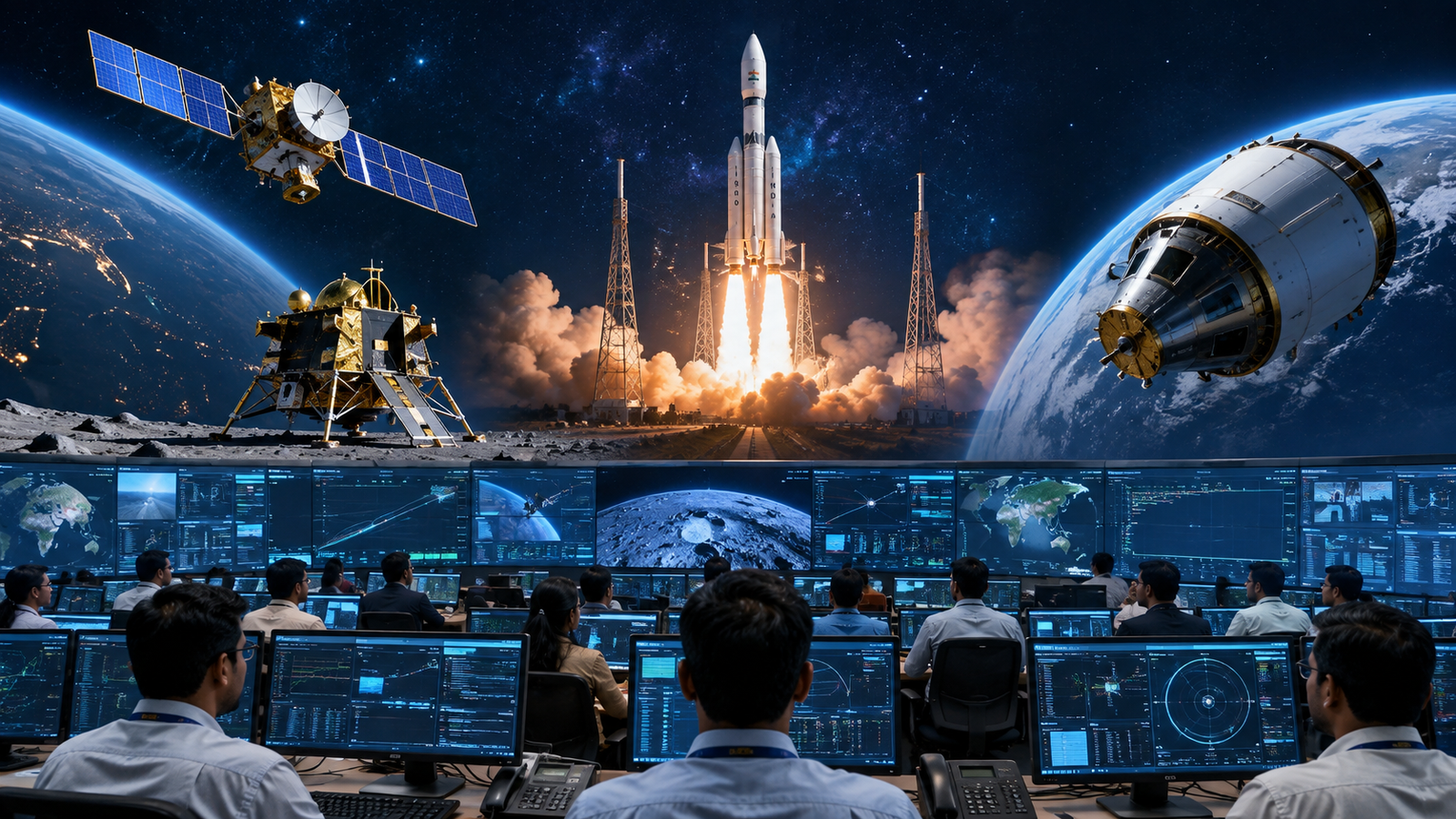
Space technology is one of the most important areas to cover while preparing the UPSC Science and Technology Syllabus 2027.
Space is one of the highest-value areas within UPSC Science and Technology preparation.
Cover:
- ISRO
- Launch vehicles
- PSLV
- GSLV
- LVM3
- Satellite technology
- Communication satellites
- Navigation satellites
- Earth observation
- Remote sensing
- Space science
- Human spaceflight
- Space docking
- Space stations
- Lunar missions
- Solar missions
- Planetary missions
- Space debris
- Space situational awareness
- Commercial space sector
- Private space companies
Important Indian missions to know
Chandrayaan-3
Know:
- Lunar soft landing
- South polar region
- Vikram lander
- Pragyan rover
- Scientific experiments
- Importance of the mission
Aditya-L1
Understand:
- Solar observation
- L1 point
- Solar corona
- Solar wind
- Space weather
SpaDeX
SpaDeX is particularly important for the 2027 examination.
ISRO successfully demonstrated docking of the two SpaDeX satellites in January 2025, followed by successful undocking and a second autonomous docking with power-transfer demonstration. ISRO describes the mission as a technology demonstrator for rendezvous, docking and undocking of spacecraft.
This is relevant to future capabilities such as:
- In-orbit servicing
- Space stations
- Complex multi-launch missions
- Lunar sample-return architecture
ISRO has stated that docking technology is important for future ambitions including lunar sample return and the Bharatiya Antariksh Station.
Chandrayaan-4
Chandrayaan-4 is India’s planned lunar sample-return mission. Its objective includes collecting lunar samples and bringing them back to Earth for analysis.
The 2026–27 Department of Space documents also identify Chandrayaan-4 as an ongoing mission activity.
Venus Orbiter Mission
India’s Venus mission should also be tracked as part of the emerging planetary-exploration segment.
For current-affairs-based preparation on India’s latest space missions, satellite technology and emerging developments, aspirants should also practice these 100 Important Space Technology Current Affairs 2026 MCQs for UPSC, PCS & SSC Exams.
3. Biotechnology
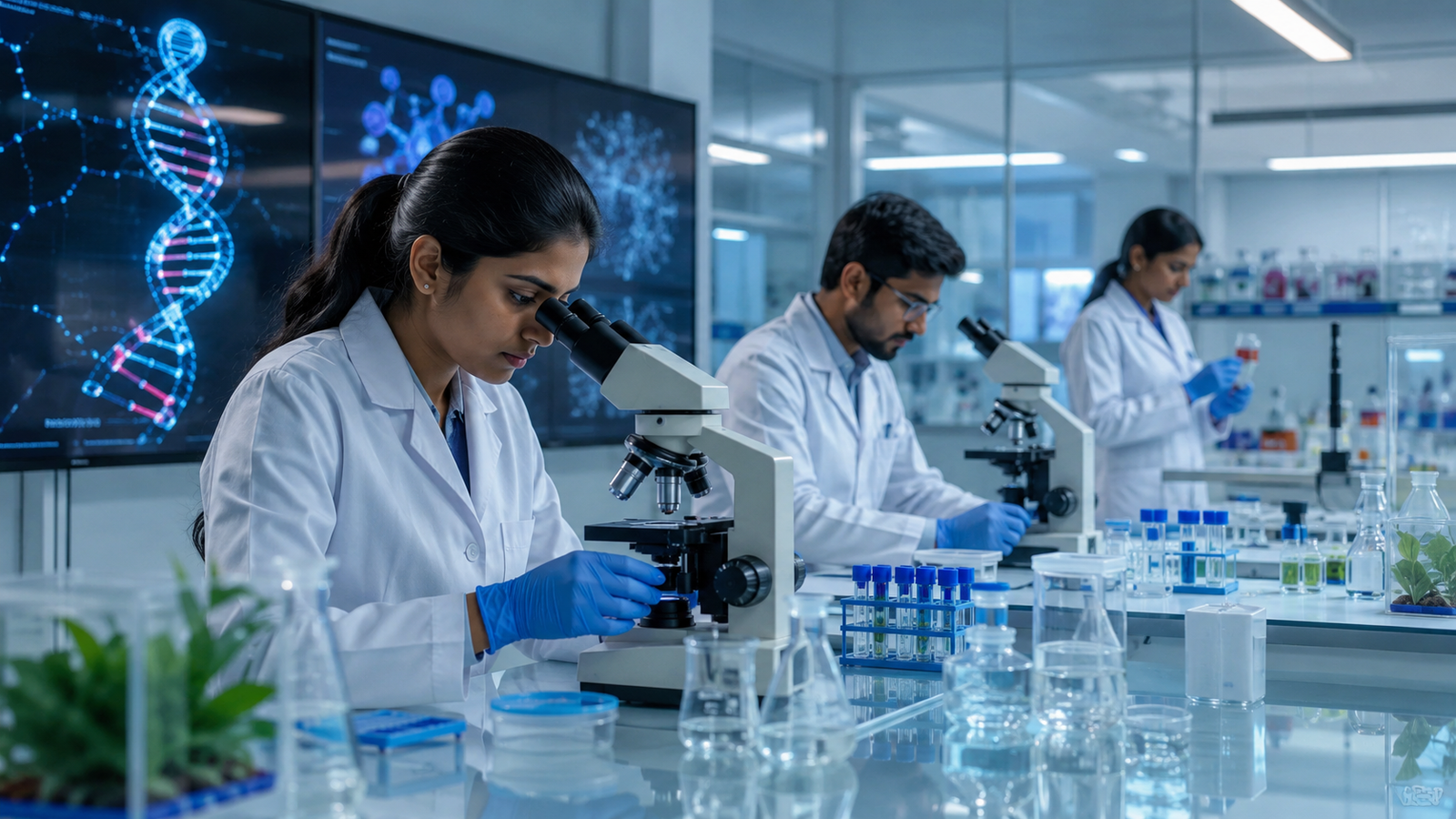
Biotechnology should receive significant attention in the UPSC Science and Technology Syllabus 2027, particularly because of its connection with healthcare, agriculture, environment and the bioeconomy.
Biotechnology is another major UPSC area.
Prepare:
- DNA and RNA
- Genes and genomes
- Genetic engineering
- CRISPR-Cas systems
- Gene editing
- Gene therapy
- mRNA technology
- Vaccines
- Stem cells
- CAR-T therapy
- Synthetic biology
- Genomics
- Bioinformatics
- GM crops
- Biosafety
- Biomanufacturing
- Precision medicine
- Intellectual property issues in biotechnology
Genome India
Genome India is particularly important because it connects:
Genomics + healthcare + precision medicine + data + ethics
The Department of Biotechnology has highlighted the availability of genome data from 10,000 Indians and its potential for research and precision medicine.
For UPSC, understand:
- What is genome sequencing?
- Why is population-specific genomic data useful?
- What is precision medicine?
- What are the ethical concerns?
- How should genomic data be protected?
4. BioE3 Policy and Biomanufacturing
The BioE3 Policy is an excellent current-affairs topic for UPSC 2027.
BioE3 focuses on Biotechnology for Economy, Environment and Employment and promotes high-performance biomanufacturing.
Its thematic areas include:
- Bio-based chemicals and enzymes
- Smart proteins and functional foods
- Precision biotherapeutics
- Climate-resilient agriculture
- Biofuels and carbon capture
- Futuristic marine and space research
The DBT initiative also includes Bio-AI hubs and biofoundry/biomanufacturing hubs.
5. Artificial Intelligence
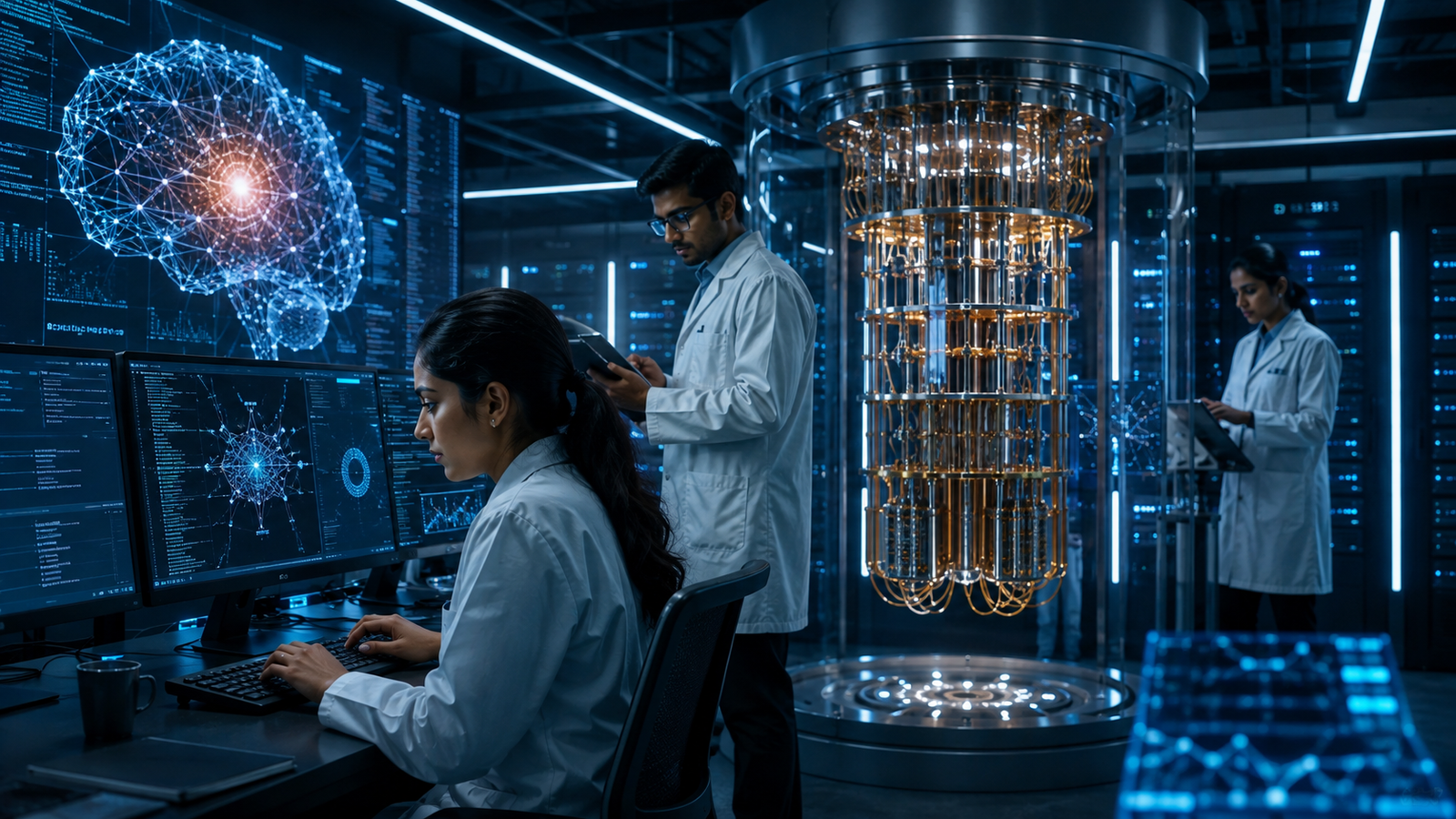
Emerging technologies form an increasingly important part of the UPSC Science and Technology Syllabus 2027, especially Artificial Intelligence, quantum technology and semiconductor technology.
AI should be prepared as both a technology topic and governance topic.
Cover:
- Artificial Intelligence
- Machine Learning
- Deep Learning
- Generative AI
- Large Language Models
- Natural Language Processing
- Computer Vision
- AI agents
- AI in healthcare
- AI in agriculture
- AI in governance
- AI in defence
- AI in education
- AI ethics
- Algorithmic bias
- Deepfakes
- Data privacy
- AI safety
- Responsible AI
IndiaAI Mission
The Government approved the IndiaAI Mission with a budgetary outlay of ₹10,371.92 crore. The mission includes components related to compute infrastructure, innovation, datasets, startup financing and safe and trusted AI.
This is a strong example of how UPSC can connect:
AI + public policy + infrastructure + innovation + ethics
6. Quantum Technology
Quantum technology is an important emerging area.
Prepare:
- Quantum computing
- Quantum communication
- Quantum cryptography
- Quantum key distribution
- Quantum sensing
- Quantum materials
- Quantum internet
- Quantum advantage
- Classical vs quantum computing
National Quantum Mission
The National Quantum Mission (NQM) was approved with a total outlay of ₹6,003.65 crore for 2023–24 to 2030–31.
Its major technological areas include:
- Quantum Computing
- Quantum Communication
- Quantum Sensing & Metrology
- Quantum Materials & Devices
The mission envisages development of intermediate-scale quantum computers with 50–1,000 physical qubits over eight years and quantum communication capabilities including secure links over distances of up to 2,000 km. (Department of Science and Technology)
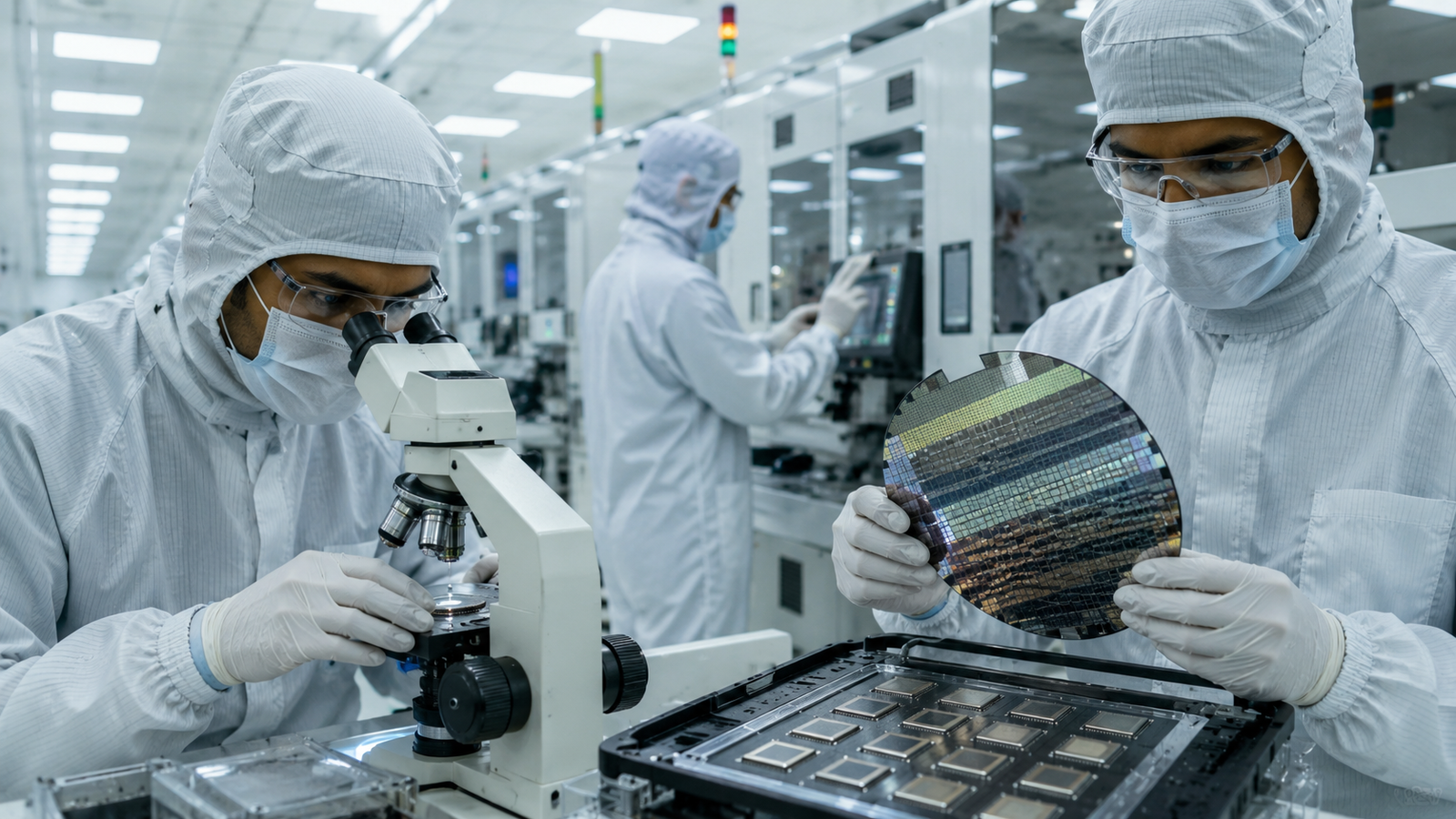
7. Semiconductor Technology
Semiconductors have become a major strategic technology topic.
Prepare:
- Semiconductor basics
- Transistors
- Integrated circuits
- Chip fabrication
- Semiconductor fabs
- ATMP
- OSAT
- Compound semiconductors
- Silicon photonics
- Chip design
- Semiconductor supply chains
- Chip diplomacy
- India’s semiconductor ecosystem
Semicon India Programme
The Semicon India Programme has an approved outlay of ₹76,000 crore for developing India’s semiconductor and display manufacturing ecosystem.
As of July 2026, the Government reported 12 semiconductor manufacturing projects approved across six states, covering different parts of the semiconductor value chain.
India Semiconductor Mission 2.0
The Union Budget 2026–27 also provided ₹1,000 crore for India Semiconductor Mission 2.0, focusing on industry-led research, technology development and skilled manpower.
This makes semiconductor technology an important Prelims + Mains topic for UPSC 2027.
8. Robotics and Automation
Cover:
- Industrial robots
- Autonomous robots
- Humanoid robots
- Medical robots
- Agricultural robots
- Defence robots
- Drones
- Autonomous systems
- Human-machine interaction
For Mains, focus on:
Productivity + employment + safety + regulation + ethics
9. Nanotechnology
Important areas include:
- Nanomaterials
- Nanoparticles
- Graphene
- Carbon nanotubes
- Nanoelectronics
- Nanomedicine
- Drug delivery
- Nano-sensors
- Agricultural applications
- Environmental applications
Do not study nanotechnology as a purely theoretical subject. Concentrate on applications and implications.
10. Information Technology and Computers
Cover:
- Internet
- Cloud computing
- Edge computing
- Big Data
- Blockchain
- Internet of Things
- 5G and emerging connectivity
- Cybersecurity
- Digital public infrastructure
- Digital twins
- Data centres
- Encryption
- Artificial Intelligence
This area also overlaps with GS Paper II governance and Internal Security.
11. Cybersecurity
Prepare:
- Malware
- Ransomware
- Phishing
- Cyber espionage
- Critical information infrastructure
- Cyber warfare
- Encryption
- Zero-day vulnerabilities
- Botnets
- Deepfakes
- Cybercrime
- Data protection
- Cybersecurity institutions and policy
For Mains, always connect cybersecurity with:
National security + economy + governance + privacy
12. Nuclear Technology
Cover:
- Nuclear fission
- Nuclear fusion
- Nuclear reactors
- Nuclear fuel cycle
- Heavy water
- Fast breeder reactors
- Small Modular Reactors
- Nuclear safety
- Nuclear medicine
- Radioisotopes
- Nuclear energy
- India’s three-stage nuclear programme
Also understand the distinction between:
Civilian nuclear technology vs nuclear weapons technology
13. Defence Technology
Important areas include:
- Missiles
- Ballistic missile defence
- Drones
- Counter-drone systems
- Electronic warfare
- Radar
- Satellites
- Unmanned systems
- Hypersonic technology
- Directed-energy weapons
- Indigenous defence systems
The focus should be on indigenisation and strategic autonomy, rather than memorising every weapon system.
14. Medical and Health Technology
Prepare:
- Vaccines
- mRNA technology
- Gene therapy
- CAR-T therapy
- CRISPR
- Wearable health devices
- Telemedicine
- AI in healthcare
- Medical imaging
- 3D bioprinting
- Precision medicine
- Genomics
- Antimicrobial resistance
15. Clean and Green Technology
Science & Technology also overlaps strongly with Environment.
Cover:
- Green hydrogen
- Fuel cells
- Solar technology
- Battery technology
- Electric vehicles
- Energy storage
- Carbon capture
- Biofuels
- Smart grids
- Waste-to-energy
- Carbon utilisation
For Mains, focus on:
Technology → decarbonisation → energy security → economic development
16. Intellectual Property Rights
The official GS III syllabus specifically mentions intellectual property rights.
Prepare:
- Patents
- Copyright
- Trademarks
- Geographical Indications
- Trade secrets
- Industrial designs
- Plant varieties
- TRIPS
- Compulsory licensing
- Patentability
- Biotechnology and IPR
17. Indigenization of Technology
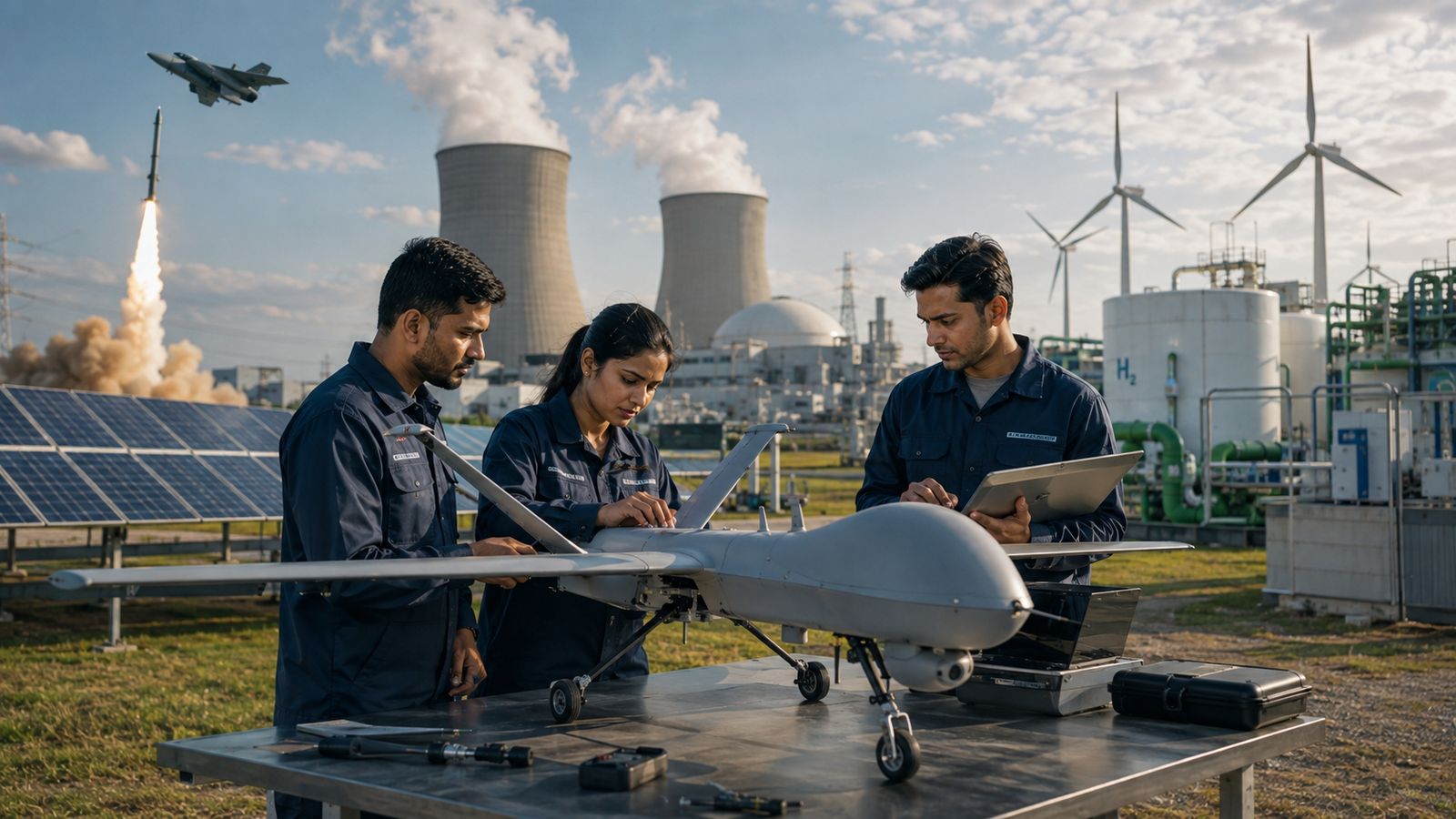
This is one of the most important parts of the official Mains syllabus.
Ask three questions for every major technology:
1. Does India have the technology?
2. If not, where is the dependence?
3. What is India doing to develop indigenous capability?
Examples include:
- Semiconductor manufacturing
- Space technology
- Defence technology
- AI
- Quantum technology
- Supercomputing
- Biotechnology
- Electronics manufacturing
Important Science & Technology Developments to Track for UPSC 2027
| Area | High-value topics |
|---|---|
| Space | Chandrayaan-4, SpaDeX, Aditya-L1, Gaganyaan, Venus Orbiter Mission |
| AI | IndiaAI Mission, Generative AI, responsible AI |
| Quantum | National Quantum Mission |
| Biotechnology | Genome India, BioE3, gene therapy, CRISPR |
| Semiconductors | Semicon India, ISM 2.0, fabs, OSAT |
| Computing | Supercomputing, AI compute, quantum computing |
| Defence | Drones, counter-drone, hypersonics, EW |
| Health | Genomics, vaccines, CAR-T, precision medicine |
| Energy | Green hydrogen, batteries, nuclear energy |
| Environment | Carbon capture, climate technology, biofuels |
| IPR | Patents, biotechnology IPR, TRIPS |
UPSC Prelims vs Mains: How to Prepare Differently
For Prelims
Focus on:
What + How + Where + Application
Example:
What is SpaDeX?
What is docking?
Why is docking important?
Which Indian organisation conducted the mission?
For Mains
Go one level deeper:
What → Why → Applications → Benefits → Challenges → Indian initiatives → Way Forward
For example:
“Discuss the significance of space docking technology for India’s future space programme.”
Your answer could cover:
- Introduction
- Meaning of docking
- India’s SpaDeX achievement
- Applications
- Bharatiya Antariksh Station
- Lunar sample-return missions
- In-orbit servicing
- Challenges
- Way forward
- Conclusion
This is much more useful than memorising isolated facts.
For GS Paper I preparation area, see our Modern History Strategy for UPSC Mains
How Many Science & Technology Questions Does UPSC Ask?
To cover the UPSC Science and Technology Syllabus 2027 effectively, focus on concepts, current developments, applications and India’s technological capabilities rather than memorising isolated facts.
There is no officially fixed number of Science & Technology questions prescribed by UPSC.
This is an important distinction from some coaching websites that give a fixed annual number.
The UPSC syllabus specifies the subject areas, but it does not guarantee that a particular number of questions will appear every year. Therefore, preparation should focus on syllabus coverage and current relevance, rather than targeting a fixed question count.
Best Strategy for UPSC Science and Technology 2027
Step 1: Build basic science
Use school-level science concepts as your foundation.
You don’t need advanced technical textbooks for most UPSC preparation.
Step 2: Follow current developments
Science & Technology changes rapidly.
Track:
- ISRO
- DST
- DBT
- DRDO
- MeitY
- PIB
- Department of Space
- Department of Atomic Energy
Step 3: Make topic-wise notes
Create separate folders:
- Space
- Biotechnology
- AI
- Quantum
- Semiconductors
- Defence Technology
- Health Technology
- Nuclear Technology
- Environment Technology
- IPR
Step 4: Link current affairs with static concepts
Example:
News: Semiconductor project
↓
Static: Semiconductor → transistor → integrated circuit
↓
Policy: Semicon India
↓
Mains: Strategic autonomy and supply-chain resilience
This is the ideal UPSC approach.
Step 5: Solve PYQs
Previous Year Questions are essential because they reveal how UPSC converts scientific developments into questions.
Do not simply memorise the answer. Ask:
“What concept was UPSC actually testing?”
Science and Technology preparation should be combined with regular current-affairs practice. You can also revise our World Current Affairs MCQs for UPSC.
Best Books and Resources for UPSC Science & Technology
1. NCERT Science
Use school-level NCERT Science for basic concepts.
2. Science Reporter
Science Reporter remains a useful supplementary resource for science awareness. Importantly, it is currently published by CSIR-NIScPR, not NISCAIR as sometimes stated in older preparation articles. The magazine continues to publish current science content, including a July 2026 issue.
3. Official Government Sources
For factual verification, prioritise:
- ISRO
- PIB
- Department of Science & Technology
- Department of Biotechnology
- MeitY
- DRDO
- Department of Atomic Energy
- India Semiconductor Mission
These sources are particularly valuable when preparing current-affairs notes.
Recommended Reading
August 2026 Sports Current Affairs MCQs
Science and Technology PYQs for UPSC Prelims 2027
How to Score 120+ in GS Paper 1: Powerful UPSC Mains Strategy
Powerful Bihar GK for BPSC 2026–27
UPSC Mains 2026 GS1 Art and Culture Notes
Powerful Sports Current Affairs MCQs June 2026
Most Important Official Websites
For reliable Science & Technology current affairs, bookmark:
- ISRO
- Department of Science & Technology
- Department of Biotechnology
- India Semiconductor Mission
- IndiaAI
- UPSC Official Website
Important Correction About the 2027 Syllabus
As of August 2026, UPSC has released its Annual Calendar 2027, but the specific Civil Services Examination 2027 notification has not yet replaced the current syllabus wording. Therefore, this article uses the latest officially available CSE syllabus framework and should be updated if UPSC publishes any change in the 2027 notification. UPSC’s Annual Calendar 2027 was uploaded on 20 May 2026.
This is a better approach than presenting an unofficial “topic-wise syllabus” as though UPSC itself issued those detailed topics.
Frequently Asked Questions
Is Science and Technology included in UPSC Prelims?
Yes. In the official Prelims syllabus, Science and Technology is primarily represented under General Science, alongside current events and other General Studies areas.
Is Science and Technology part of UPSC Mains?
Yes. It is explicitly included in General Studies Paper III under Technology, Economic Development, Biodiversity, Environment, Security and Disaster Management.
Is there a separate official UPSC Science and Technology syllabus?
No. UPSC provides broad syllabus statements rather than a detailed chapter-wise list. The topic-wise framework in this article is an exam-oriented interpretation of those official statements. Should I study Science and Technology from a very advanced science textbook?
Generally, no. UPSC preparation should prioritise conceptual clarity, applications, current developments and their implications rather than highly specialised technical details.
Which Science and Technology topics are most important for UPSC 2027?
Prioritise:
- Space technology
- Artificial Intelligence
- Quantum technology
- Biotechnology
- Semiconductors
- Cybersecurity
- Defence technology
- Nuclear technology
- Health technology
- Green technology
- IPR
- Indigenisation of technology
How should I prepare Science and Technology for Mains?
Use the framework:
Concept → Current Development → Indian Initiative → Benefits → Challenges → Way Forward
Conclusion
A strong understanding of the UPSC Science and Technology Syllabus 2027 will help aspirants approach both Prelims questions and GS Paper III Mains questions with greater confidence.
The UPSC Science and Technology Syllabus 2027 is best understood as a combination of basic science, emerging technologies, current developments, Indian achievements, applications and policy challenges.
For Prelims, build broad awareness and conceptual clarity. For Mains, go beyond definitions and explain how technology affects development, governance, national security, the economy, health and the environment.
The strongest preparation strategy is therefore not to study Science and Technology as a static subject. Instead, continuously connect current affairs with scientific concepts and India’s technological capabilities.
For UPSC 2027, give special attention to space technology, AI, quantum technology, biotechnology, semiconductors, cybersecurity, health technology and indigenisation—while continuing to cover the complete official GS syllabus.
Disclaimer
This article distinguishes between the official UPSC syllabus and the topic-wise preparation framework created for aspirants. The latter is an exam-oriented interpretation and is not an official UPSC chapter-wise syllabus. UPSC may revise its syllabus or examination framework in a future notification; the latest official UPSC notification should always be treated as final.
26 thoughts on “UPSC Science and Technology Syllabus 2027: Powerful Topic-Wise Guide for Prelims & Mains”