Introduction
Science and Technology is an important part of UPSC Prelims because questions can connect basic scientific concepts with developments in space, biotechnology, artificial intelligence, health, defence and emerging technologies. A good preparation strategy therefore requires both conceptual understanding and awareness of how new technologies are being applied in India and around the world.
This practice set ” Science & Technology 100 MCQs for UPSC 2027″ brings together 100 questions across major areas of Science and Technology, including space science, biotechnology, AI, physics, climate science, defence technology, health, materials science and robotics. It is intended as a revision tool to help aspirants test their understanding and identify topics that need further study.
This post contains 100 MCQs divided into 10 sections, with answers provided at the end of each section for easy revision.
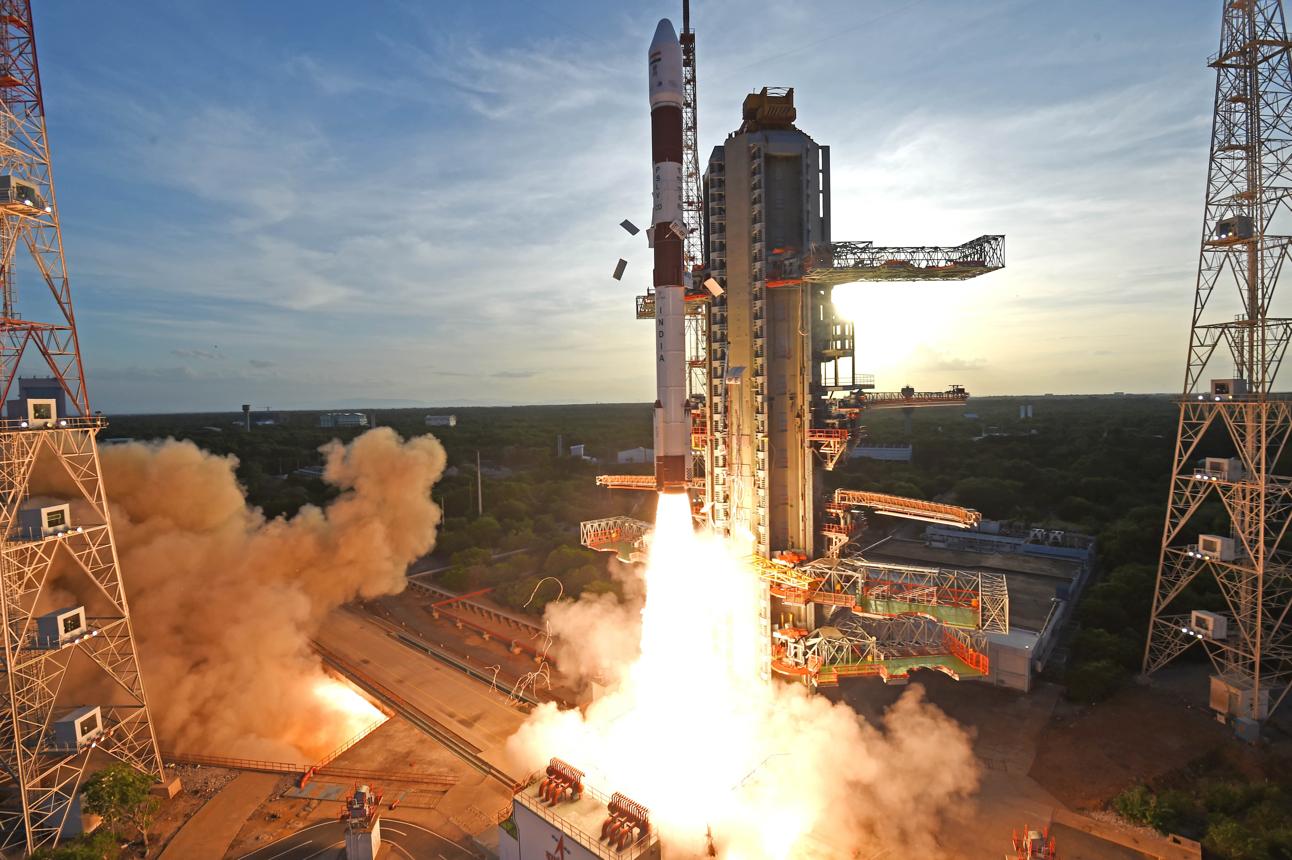
Section 1: Space Technology & Astronomy: Science And Technology 100 MCQs for UPSC 2027
- Which organization is responsible for India’s Gaganyaan Mission?
A) DRDO
B) ISRO
C) HAL
D) BARC - Chandrayaan-3 successfully landed near which lunar region?
A) Equator
B) North Pole
C) South Pole
D) Far Side - The Aditya-L1 mission is related to:
A) Mars exploration
B) Solar observation
C) Asteroid mining
D) Space tourism - What is the primary function of PSLV?
A) Manned missions
B) Satellite launching
C) Missile interception
D) Deep-sea exploration - The “event horizon” is associated with:
A) Neutron stars
B) Black holes
C) Comets
D) Supernova remnants - Which gas is primarily present in the Sun?
A) Oxygen
B) Nitrogen
C) Hydrogen
D) Helium - NAVIC is India’s:
A) Missile system
B) Navigation system
C) Radar network
D) Space telescope - Which planet has the largest number of known moons?
A) Jupiter
B) Saturn
C) Uranus
D) Neptune - Geostationary satellites revolve:
A) Around the Moon
B) At poles only
C) With Earth’s rotational speed
D) In elliptical orbits only - Which telescope succeeded the Hubble Space Telescope?
A) Spitzer Telescope
B) James Webb Space Telescope
C) Kepler Telescope
D) Chandra Telescope
Answers – Section 1
1-B
2-C
3-B
4-B
5-B
6-C
7-B
8-B
9-C
10-B
Section 2: Biotechnology & Genetics: Science And Technology 100 MCQs for UPSC 2027
- DNA stands for:
A) Deoxyribonucleic Acid
B) Dynamic Nuclear Acid
C) Double Nucleic Atom
D) Digital Nucleic Acid - CRISPR technology is mainly used for:
A) Space communication
B) Gene editing
C) Quantum computing
D) Water purification - Which scientist is known as the Father of Genetics?
A) Darwin
B) Mendel
C) Watson
D) Pasteur - mRNA vaccines gained prominence during:
A) SARS outbreak
B) COVID-19 pandemic
C) Ebola outbreak
D) Zika virus crisis - Genetically Modified crops are mainly developed for:
A) Higher resistance
B) Lower nutrition
C) Reduced yield
D) Less photosynthesis - Bt Cotton contains genes from:
A) Virus
B) Fungus
C) Bacteria
D) Algae - Human Genome Project is related to:
A) Mapping human genes
B) Space missions
C) Ocean exploration
D) Robotics - Cloning means:
A) Genetic mutation
B) Artificial selection
C) Producing identical copies
D) Vaccine production - Which molecule carries genetic information?
A) Protein
B) RNA only
C) DNA
D) Lipid - Stem cells are important because they:
A) Produce electricity
B) Can develop into different cell types
C) Reduce gravity
D) Absorb radiation
Answers – Section 2
11-A
12-B
13-B
14-B
15-A
16-C
17-A
18-C
19-C
20-B
For additional revision of recent space-related developments, you can also explore our 100 Important Space Technology Current Affairs 2026 MCQs for UPSC, PCS & SSC Exams.

Section 3: Artificial Intelligence & Computing: Science And Technology 100 MCQs for UPSC 2027
- AI stands for:
A) Automated Internet
B) Artificial Intelligence
C) Artificial Integration
D) Automated Intelligence - Machine learning is a subset of:
A) Robotics
B) Biotechnology
C) Artificial Intelligence
D) Nanotechnology - Quantum computers use:
A) Bits
B) Bytes
C) Qubits
D) Pixels - Which company developed ChatGPT?
A) Google
B) Microsoft
C) OpenAI
D) IBM - Blockchain technology is best known for:
A) Agriculture
B) Cryptocurrencies
C) Satellite launch
D) Vaccination - The main advantage of quantum computing is:
A) Lower electricity usage only
B) Faster complex calculations
C) Reduced internet access
D) Bigger monitors - Cybersecurity mainly protects:
A) Forests
B) Computer systems and data
C) Satellites only
D) Vehicles - Deepfake technology uses:
A) Satellite systems
B) AI-generated synthetic media
C) Solar energy
D) Gene editing - Cloud computing refers to:
A) Weather forecasting
B) Online data storage and services
C) Air purification
D) Astronomy - Which language is widely used in AI development?
A) COBOL
B) Python
C) FORTRAN
D) BASIC
Answers – Section 3
21-B
22-C
23-C
24-C
25-B
26-B
27-B
28-B
29-B
30-B
For a deeper understanding of India’s supercomputing initiatives, you can also explore our article on the National Supercomputing Mission (NSM).
Section 4: Physics & Modern Technology: Science And Technology 100 MCQs for UPSC 2027
- LASER stands for:
A) Light Amplification by Stimulated Emission of Radiation
B) Light Atomic Signal Emission Radiation
C) Linear Amplification System
D) Long Atomic Signal Radiation - Which particle carries a negative charge?
A) Proton
B) Neutron
C) Electron
D) Photon - Nuclear fusion powers:
A) Earth’s core
B) Sun
C) Batteries
D) Windmills - Semiconductor materials are essential in:
A) Microchips
B) Agriculture
C) Vaccines
D) Water treatment - Superconductors have:
A) High resistance
B) Zero electrical resistance
C) Infinite mass
D) Magnetic neutrality - Which device converts sunlight directly into electricity?
A) Turbine
B) Solar cell
C) Generator
D) Dynamo - MRI technology mainly uses:
A) Gamma rays
B) Magnetic fields
C) Sound waves
D) Infrared rays - Nanotechnology deals with:
A) Large satellites
B) Atomic and molecular scale materials
C) Ocean mining
D) Volcanoes - Radar technology primarily uses:
A) Radio waves
B) Sound waves
C) X-rays
D) Ultraviolet rays - The SI unit of power is:
A) Joule
B) Watt
C) Newton
D) Pascal
Answers – Section 4
31-A
32-C
33-B
34-A
35-B
36-B
37-B
38-B
39-A
40-B
Section 5: Environment & Climate Science: Science And Technology 100 MCQs for UPSC 2027
- Global warming is mainly caused by:
A) Nitrogen
B) Greenhouse gases
C) Oxygen
D) Helium - Which gas contributes most to global warming?
A) Hydrogen
B) Carbon dioxide
C) Neon
D) Argon - Ozone layer protects Earth from:
A) Infrared rays
B) Ultraviolet radiation
C) Radio waves
D) Sound waves - COP meetings are associated with:
A) Trade
B) Climate change
C) Defence
D) Sports - Renewable energy includes:
A) Coal
B) Petroleum
C) Solar energy
D) Natural gas - Acid rain is mainly caused by:
A) Methane
B) Sulphur dioxide and nitrogen oxides
C) Oxygen
D) Hydrogen - Carbon neutrality means:
A) No carbon use
B) Balancing carbon emissions
C) Eliminating oxygen
D) Increasing fossil fuel use - Which technology converts waste into usable energy?
A) Hydroponics
B) Waste-to-energy
C) Cryogenics
D) Lithography - Biofuels are produced from:
A) Radioactive waste
B) Organic matter
C) Metals
D) Sand - IPCC is related to:
A) Space science
B) Climate science
C) Agriculture
D) Defence technology
For additional practice on Science and Technology topic, you can also explore our Science and Technology PYQs for UPSC Prelims 2027
Answers – Section 5
41-B
42-B
43-B
44-B
45-C
46-B
47-B
48-B
49-B
50-B
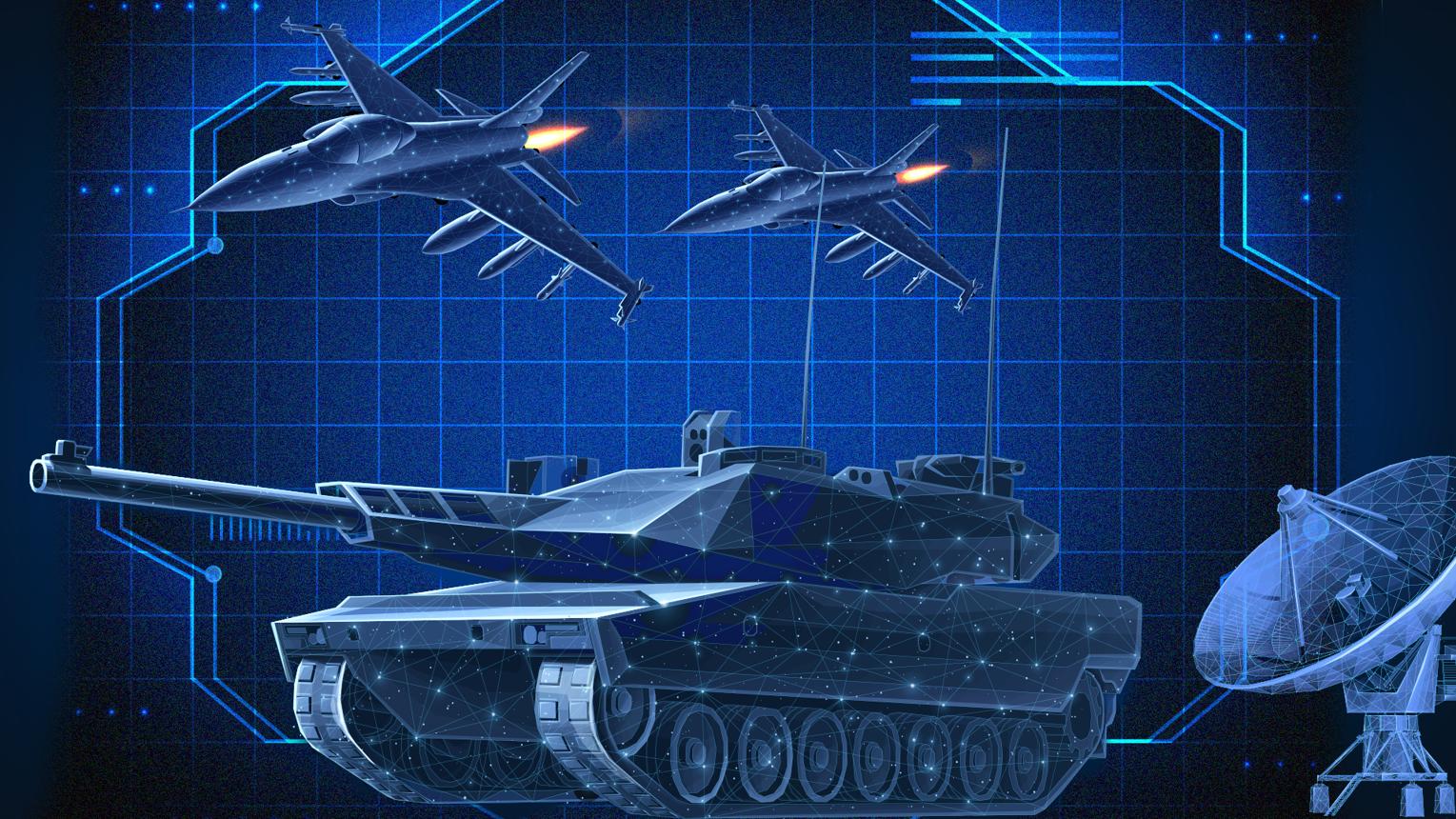
Section 6: Defence & Security Technology: Science And Technology 100 MCQs for UPSC 2027
- DRDO stands for:
A) Defence Research and Development Organisation
B) Dynamic Research Department Office
C) Defence Radar Development Office
D) Digital Research Division Organization - Agni missiles belong to:
A) Naval defence
B) Surface-to-surface ballistic missile system
C) Air defence radar
D) Satellite communication - BrahMos missile is jointly developed by India and:
A) USA
B) France
C) Russia
D) Israel - Stealth technology is used to:
A) Increase sound
B) Avoid detection
C) Improve agriculture
D) Purify water - UAV stands for:
A) Universal Air Vehicle
B) Unmanned Aerial Vehicle
C) United Aviation Vessel
D) Ultra Air Vehicle - Cyber warfare targets:
A) Forests
B) Digital infrastructure
C) Rivers
D) Volcanoes - Hypersonic missiles travel faster than:
A) Mach 1
B) Mach 3
C) Mach 5
D) Mach 2 - INS Arihant is:
A) Aircraft carrier
B) Nuclear submarine
C) Destroyer
D) Satellite - Radar systems help in:
A) Food storage
B) Detecting objects
C) Gene editing
D) Ocean farming - Anti-satellite weapons are designed to:
A) Repair satellites
B) Destroy satellites
C) Launch rockets
D) Build space stations
Answers – Section 6
51-A
52-B
53-C
54-B
55-B
56-B
57-C
58-B
59-B
60-B
Section 7: Health Science & Medicine: Science And Technology 100 MCQs for UPSC 2027
- WHO stands for:
A) World Health Organization
B) World Human Office
C) Wellness Health Organization
D) World Hygiene Office - Vaccines help the body by:
A) Weakening immunity
B) Developing immunity
C) Increasing infections
D) Reducing oxygen - Antibiotics are effective mainly against:
A) Viruses
B) Bacteria
C) Fungi only
D) Radiation - Insulin is associated with:
A) Blood pressure
B) Diabetes management
C) Lung disease
D) Kidney stones - The COVID-19 virus primarily affects:
A) Liver
B) Lungs
C) Bones
D) Eyes - Organ transplantation requires:
A) Weather forecasting
B) Tissue compatibility
C) Nuclear reaction
D) Satellite mapping - Ayurveda originated in:
A) China
B) India
C) Greece
D) Egypt - HIV attacks:
A) Digestive system
B) Immune system
C) Bones
D) Skin - Telemedicine enables:
A) Space communication
B) Remote healthcare services
C) Water purification
D) Food preservation - MRI scans are safer than X-rays because they:
A) Use no radiation
B) Use ultraviolet rays
C) Use nuclear fuel
D) Use lasers
Answers – Section 7
61-A
62-B
63-B
64-B
65-B
66-B
67-B
68-B
69-B
70-A
Section 8: Chemistry & Material Science: Science And Technology 100 MCQs for UPSC 2027
- pH value less than 7 indicates:
A) Neutral solution
B) Acidic solution
C) Basic solution
D) Salty solution - Stainless steel is an alloy of:
A) Iron and carbon
B) Iron, chromium, and nickel
C) Copper and zinc
D) Aluminium and magnesium - Graphene is known for:
A) Poor conductivity
B) Exceptional strength and conductivity
C) Radioactivity
D) High brittleness - The hardest natural substance is:
A) Quartz
B) Iron
C) Diamond
D) Platinum - LPG mainly contains:
A) Methane
B) Butane and propane
C) Hydrogen
D) Carbon monoxide - Heavy water contains:
A) Heavy oxygen
B) Deuterium
C) Helium
D) Tritium only - Catalysts:
A) Slow down reactions permanently
B) Increase reaction rate
C) Stop chemical reactions
D) Reduce mass - Polymers are:
A) Metals
B) Large molecules made of repeating units
C) Radioactive elements
D) Gases - Which element is used in batteries for electric vehicles?
A) Lithium
B) Sodium
C) Calcium
D) Helium - Corrosion of iron is commonly called:
A) Oxidation
B) Rusting
C) Reduction
D) Distillation
Answers – Section 8
71-B
72-B
73-B
74-C
75-B
76-B
77-B
78-B
79-A
80-B

Section 9: Robotics & Emerging Technologies: Science And Technology 100 MCQs for UPSC 2027
- Robotics combines:
A) Biology only
B) Engineering and computer science
C) Agriculture only
D) Geology and astronomy - Internet of Things (IoT) refers to:
A) Offline devices
B) Connected smart devices
C) Space stations
D) Farming tools only - 3D printing is also called:
A) Lithography
B) Additive manufacturing
C) Deep mining
D) Thermal imaging - Autonomous vehicles use:
A) AI and sensors
B) Coal engines
C) Wind turbines
D) Steam power - Augmented Reality combines:
A) Real world with digital elements
B) Only virtual worlds
C) Sound waves only
D) Chemical reactions - Virtual Reality creates:
A) Physical roads
B) Immersive digital environments
C) Vaccines
D) Water reservoirs - Biometric authentication includes:
A) Passwords only
B) Fingerprint and facial recognition
C) PIN numbers only
D) Satellite tracking - Edge computing processes data:
A) Only in clouds
B) Near the data source
C) In oceans
D) In satellites only - Smart cities rely heavily on:
A) Ancient tools
B) Digital infrastructure and sensors
C) Animal transport
D) Manual accounting - Drones are commonly used in:
A) Agriculture and surveillance
B) Volcano creation
C) Metal extraction only
D) Ocean currents only
Answers – Section 9
81-B
82-B
83-B
84-A
85-A
86-B
87-B
88-B
89-B
90-A
Section 10: Mixed Current Science & Tech Affairs: Science And Technology 100 MCQs for UPSC 2027
- Green Hydrogen is produced using:
A) Coal
B) Renewable energy
C) Diesel
D) Petrol - Semiconductor chips are critical for:
A) Modern electronics
B) Soil erosion
C) Fishing only
D) Forestry - India’s semiconductor mission aims to:
A) Promote chip manufacturing
B) Ban electronics
C) Stop internet use
D) Reduce satellites - Quantum communication is considered secure because of:
A) Wooden cables
B) Quantum principles
C) Oil pipelines
D) Steam engines - Li-Fi technology uses:
A) Radio waves
B) Light for data transmission
C) Magnetic stones
D) Water pressure - The term “carbon capture” refers to:
A) Capturing sunlight
B) Trapping carbon dioxide emissions
C) Mining coal
D) Water purification - Blue Economy is related to:
A) Desert development
B) Sustainable ocean resources
C) Mountain tourism
D) Nuclear plants - Digital India initiative promotes:
A) Traditional farming only
B) Digital infrastructure and governance
C) Oil drilling
D) Space tourism - Semiconductor fabrication plants are commonly called:
A) Foundries
B) Warehouses
C) Docks
D) Refineries - India’s 5G rollout mainly improves:
A) Postal services
B) Faster mobile communication
C) Coal production
D) River transport
Answers – Section 10
91-B
92-A
93-A
94-B
95-B
96-B
97-B
98-B
99-A
100-B
Most Important Resources for UPSC Prelims 2027
- Current Affairs For UPSC Prelims 2027
- Polity for UPSC Prelims 2027
- Economy for UPSC Prelims 2027
- History for UPSC Prelims 2027
- Science and Technology for UPSC Prelims 2027
- Geography for UPSC Prelims 2027
Conclusion: Science And Technology 100 MCQs for UPSC 2027
Science and Technology preparation becomes more effective when basic concepts are studied alongside their real-world applications. The topics covered in this practice set “Science AndTechnology 100 MCQs for UPSC 2027″ from space and biotechnology to artificial intelligence, defence, health and emerging technologies—provide a broad revision framework for UPSC Prelims.
Use these questions to test your understanding and identify areas that need further revision. For topics involving recent developments, government programmes or scientific advances, refer to reliable official sources and connect the information with the relevant concepts in the UPSC syllabus.
12 thoughts on “Science And Technology 100 MCQs for UPSC 2027 with Answers | Important Practice”