
The Union Cabinet has approved significant changes to the Agnipath Scheme, India’s military recruitment programme for Agniveers. The revised framework introduces an additional two-year service opportunity after the initial four-year engagement, along with a pathway to seek regular enrolment in the Armed Forces.
The reforms were announced by Chief of Defence Staff (CDS) General N. S. Raja Subramani. They come as the first batches of Agniveers approach the completion of their original four-year service period.
The changes aim to provide greater career continuity to Agniveers while helping the Armed Forces maintain a young, trained and future-ready workforce. However, the extension and regular enrolment are subject to the prescribed eligibility and selection process.
Summary: Key Highlights of the Agnipath Scheme Reforms
- The initial engagement under the Agnipath Scheme remains four years.
- Eligible Agniveers may receive an opportunity to serve for an additional two years.
- The revised framework creates a pathway to seek regular enrolment after the extended service period.
- Higher remuneration is reported for Agniveers serving during the extension.
- Regular enrolment is not automatic; it depends on the prescribed selection criteria.
- The reforms seek to improve career continuity, retention of trained personnel and operational preparedness.
What Is the Agnipath Scheme?
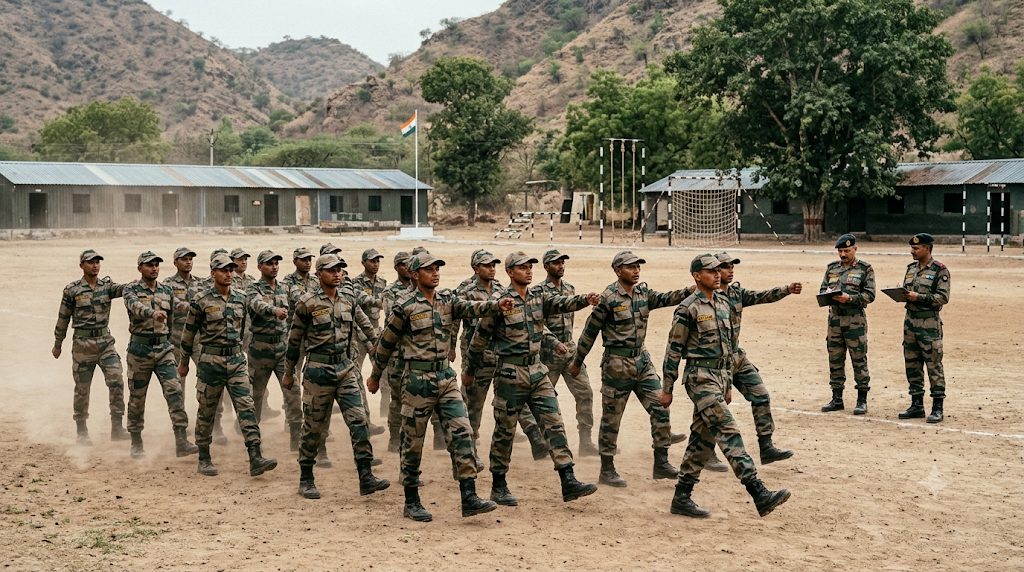
The Agnipath Scheme is a recruitment model introduced by the Government of India for selecting personnel into the Indian Army, Indian Navy and Indian Air Force. Recruits selected under the scheme are known as Agniveers.
Under the original framework, Agniveers serve for a fixed period of four years. At the end of this tenure, a portion of the batch may be selected for regular service, while the remaining personnel leave military service with financial and skill-related support.
The scheme was designed to create a younger military profile, reduce long-term personnel-related expenditure and provide trained young individuals with opportunities to contribute to national security.
The Agnipath Scheme is a military recruitment programme introduced by the Government of India to recruit young personnel into the Indian Army, Indian Navy and Indian Air Force. Recruits selected under the scheme are known as Agniveers. The scheme focuses on military readiness, disciplined training, skill development and the creation of a young workforce for the Armed Forces.
The Agnipath Scheme 2025 continued to remain an important topic for defence aspirants and UPSC candidates, particularly in discussions related to military recruitment, service tenure, Seva Nidhi benefits and post-service career opportunities. Aspirants should distinguish the original scheme provisions from any subsequent changes announced through official notifications.

What Are the Major Reforms to the Agnipath Scheme?
The latest changes focus on extending service opportunities, improving retention and creating a more structured transition towards regular military service.
Two-Year Extension of Agniveer Service
One of the most important changes is the opportunity for eligible Agniveers to continue serving for an additional two years after completing their initial four-year tenure.
This can increase the total engagement period from four years to six years for those who qualify for the extension.
The additional period may help Agniveers gain more experience, improve professional skills and make a more informed decision about pursuing a long-term military career.
Agnipath Scheme News: Latest Updates and Reforms
The Agnipath Scheme news is important for candidates preparing for UPSC Prelims, State PCS and other defence-related examinations. Recent discussions about the scheme have focused on service tenure, retention of trained Agniveers, regular enrolment opportunities and career continuity.
Aspirants should carefully check whether a reported change has been formally approved and notified by the Government of India or the concerned Armed Force. A news report, proposal or policy discussion should not automatically be treated as a final recruitment rule. For accurate information, candidates should refer to official announcements from the Ministry of Defence, the Press Information Bureau (PIB) and the relevant Armed Force recruitment website.
Pathway for Regular Enrolment
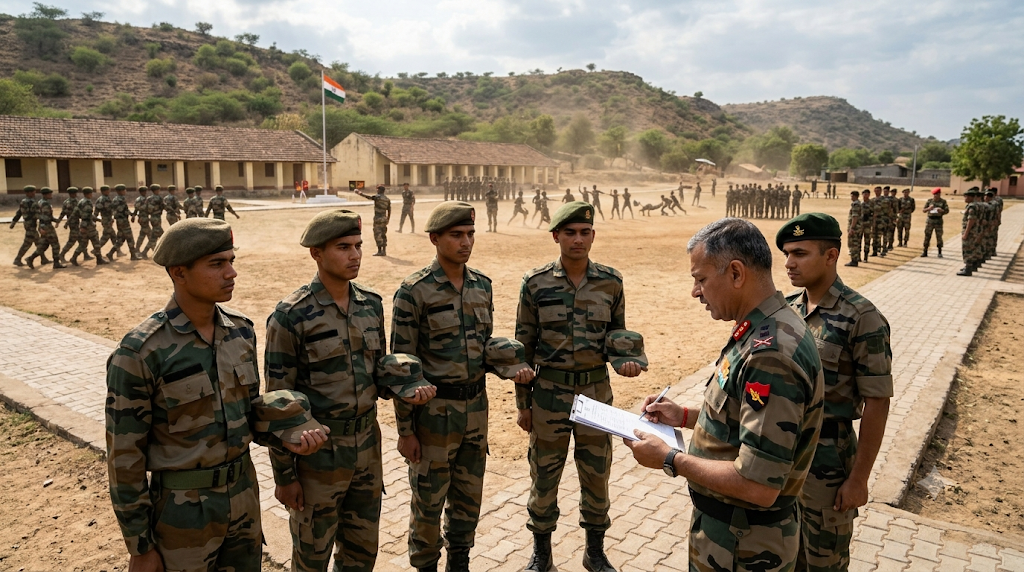
The revised framework also provides a route for Agniveers to seek regular enrolment in the Armed Forces after the extended service period.
This is a significant change because it offers an intermediate opportunity between the original four-year engagement and the possibility of a longer military career.
However, the extension does not guarantee permanent enrolment. Agniveers will have to satisfy the applicable eligibility conditions and selection criteria.
Higher Remuneration During the Extension
Agniveers serving during the additional two-year period are expected to receive higher remuneration compared with their initial engagement.
The revised financial structure is intended to recognise the additional experience and responsibilities of personnel who continue serving.
The exact pay and allowances applicable to an individual may depend on the notified rules and the relevant service.
Greater Opportunity to Retain Trained Personnel
The extension can help the Armed Forces retain personnel who have already received military training and gained practical experience.
Retaining trained individuals may reduce the need to repeatedly train new recruits for certain roles and could support continuity in operational units.
Improved Career Continuity for Agniveers
The original four-year tenure raised concerns about uncertainty after discharge. The revised framework may provide eligible Agniveers with more time to develop their military skills and explore a regular-service career.
It may also help personnel plan their future with greater clarity, although the final outcome will depend on selection, service requirements and applicable rules.
How Do the Reforms Benefit the Armed Forces?
The reforms may provide several operational and organisational advantages to the Armed Forces.
Retention of Experienced Personnel
Agniveers who continue for an additional two years will have more experience in military operations, equipment handling, discipline and teamwork.
This can help units retain trained personnel for a longer period.
Better Operational Continuity
Frequent movement of personnel can create training and adjustment requirements. Retaining experienced Agniveers may improve continuity in certain operational and technical roles.
A More Structured Retention Process
The extension creates an additional stage before the decision on regular enrolment. This may allow the services to assess performance, discipline, aptitude and organisational requirements over a longer period.
Support for a Young and Future-Ready Military
The Agnipath Scheme aims to maintain a young military profile. The reforms seek to balance this objective with the need to retain trained and capable personnel.
The overall impact will depend on how the revised framework is implemented across the Army, Navy and Air Force.
The reforms are closely connected with India’s broader national security priorities. Read our detailed guide
Middle East Crisis UPSC Prelims 2026: Key Facts, Map Analysis & Important Concepts for a wider understanding
of strategic and geopolitical issues.

What Is the Seva Nidhi Package?
The Seva Nidhi package is a financial benefit provided to Agniveers at the end of their engagement under the Agnipath Scheme, subject to the applicable rules.
Under the original four-year framework, Agniveers and the Government contribute to the Seva Nidhi fund. The package is intended to provide financial support when an Agniveer leaves military service.
The package is different from a regular military pension. Agniveers who are not selected for regular enrolment generally leave with the applicable Seva Nidhi benefits rather than a regular service pension.
Recent reports discussing the revised framework have mentioned different exit-package amounts for personnel leaving after four years and those leaving after six years. The final amount payable should be checked against the official rules applicable to the individual’s service and engagement period.
Why Is Seva Nidhi Important?
The package may help Agniveers:
- Meet immediate financial needs after leaving service.
- Invest in further education or professional training.
- Start a small business or self-employment activity.
- Support their transition to civilian employment.
It is important to understand that Seva Nidhi is a one-time financial benefit and should not be confused with a monthly pension.
Section 80CCH: Contribution to Agnipath Scheme
The contribution to the Agnipath Scheme is also relevant from an income-tax perspective. Section 80CCH of the Income-tax Act, 1961, provided a deduction for eligible contributions made by an individual enrolled under the Agnipath Scheme to the Agniveer Corpus Fund.
Under the provision, an eligible Agniveer could claim a deduction for the amount contributed to the Agniveer Corpus Fund. The Central Government’s contribution to the individual’s account was also eligible for a corresponding deduction, subject to the applicable tax provisions.
This provision is commonly searched as Agnipath Scheme 80CCH or 80CCH – Contribution to Agnipath Scheme. It is important to note that this tax benefit is specifically linked to individuals enrolled under the Agnipath Scheme; it is not a general tax deduction available to every taxpayer.
Tax Update for 2026: From 1 April 2026, the corresponding deduction for contribution to the Agniveer Corpus Fund is provided under Section 125 of the Income-tax Act, 2025. Section 80CCH is relevant to the earlier Income-tax Act, 1961 framework. Readers should refer to the applicable tax year and current income-tax provisions while claiming the deduction.
What Are the Major Objectives of the Agnipath Scheme?
The Agnipath Scheme was introduced with several broad objectives:
1. Maintain a Young Military Profile
The scheme seeks to reduce the average age of personnel in the Armed Forces and maintain a younger, physically fit workforce.
2. Improve Military Preparedness
The recruitment model aims to bring in young personnel who can be trained in modern military skills and technologies.
3. Optimise Personnel Expenditure
A fixed-term recruitment model is intended to manage long-term personnel-related expenditure and allow resources to be allocated to modernisation and operational needs.
4. Develop Skills Among Young People
Agniveers receive military training, discipline and practical experience that may be useful in future civilian careers.
5. Strengthen National Security
The broader objective is to build a capable, adaptable and future-ready military workforce.
The Agnipath Scheme is an important example of a government initiative related to national security and human resource management. You can revise similar policy-based topics through our Government Policies and Programs 100 MCQs for UPSC.

Significance of the Agnipath Scheme Reforms
The reforms are significant because they respond to concerns about the short duration of service and career uncertainty after discharge.
1. Greater Career Opportunity
The two-year extension offers eligible Agniveers more time to gain experience and pursue the possibility of regular enrolment.
2. Better Retention of Military Skills
The Armed Forces may benefit from retaining trained personnel who have already adapted to military life and acquired specialised skills.
3. Improved Workforce Planning
A longer engagement period may provide the services with additional flexibility in managing personnel requirements and evaluating candidates for regular service.
4. Potential Improvement in Morale
A clearer pathway for continued service may improve confidence among Agniveers. However, the actual effect on morale will depend on transparency, fairness and the availability of opportunities.
5. Importance for Defence Reforms
The changes reflect an effort to refine the recruitment framework based on experience and feedback. They may also influence future discussions on military manpower management and recruitment policy.
The Agnipath Scheme Reforms aim to balance the need for a young military workforce with the retention of trained and experienced Agniveers.
For UPSC aspirants, understanding the Agnipath Scheme Reforms is important for defence-related topics. You can also revise 100 Essential Defense & Space Current Affairs MCQs UPSC 2026: Comprehensive Guide to strengthen your preparation.
What Are the Challenges Regarding the Agnipath Scheme?
Despite the potential benefits, the scheme and its revised framework may face several challenges.
1. Uncertainty About Regular Enrolment
An extension does not guarantee permanent military service. Agniveers may continue to face uncertainty if the number of regular enrolment opportunities is limited.
2. Need for Transparent Selection Criteria
The selection process must be clearly communicated. Performance assessment, eligibility requirements and selection standards should be transparent to avoid confusion or perceptions of unfairness.
3. Financial and Career Planning
Agniveers need reliable information about pay, allowances, Seva Nidhi and post-service opportunities to make informed career decisions.
4. Transition to Civilian Employment
Personnel leaving the Armed Forces may need support in translating military skills into civilian qualifications and job opportunities.
5. Coordination Across Services
The Army, Navy and Air Force have different operational roles and personnel requirements. Implementing a common policy framework while accommodating service-specific needs may require careful coordination.
6. Public Expectations and Communication
The government and the Armed Forces must communicate the revised provisions clearly. Misunderstanding the extension as an automatic six-year tenure or guaranteed permanent appointment could create unrealistic expectations.
The success of the Agnipath Scheme Reforms will depend on transparent selection criteria, effective implementation and adequate career support for Agniveers.
For comprehensive revision of other important national issues and policy developments, attempt our 100 Current Affairs Questions and Answers 2026 for UPSC Prelims.
What Measures Are Needed for the Effective Implementation of the Agnipath Scheme?
The success of the reforms will depend on their implementation. The following measures can strengthen the framework:
1. Publish Clear and Accessible Guidelines
The government and the Armed Forces should provide clear details about eligibility, extension, pay, selection and regular enrolment.
2. Ensure a Fair and Transparent Selection Process
Selection criteria should be communicated in advance and applied consistently. Agniveers should also have access to a clear grievance-redressal mechanism.
3. Strengthen Skill Certification
Military training and experience should be documented through recognised skill certificates. These may help Agniveers pursue employment or further education after leaving service.
4. Improve Career Counselling
Agniveers should receive guidance on regular military service, higher education, vocational training, entrepreneurship and civilian employment.
5. Build Stronger Civilian Employment Linkages
Coordination with public-sector employers, private industry and relevant recruitment agencies may help personnel transition to civilian careers.
6. Review the Scheme Periodically
The government should evaluate the scheme using measurable indicators such as retention, training outcomes, operational requirements, career transition and feedback from Agniveers.
Effective implementation of government policies is a recurring theme in current affairs. Continue your revision with our August Last Week Current Affairs 2026: 100+ Facts for UPSC Prelims 2027.
What Is the Role of the Chief of Defence Staff (CDS)?
The Chief of Defence Staff (CDS) is the senior military position intended to promote jointness and coordination among the three services.
In the context of the Agnipath Scheme reforms, the CDS has an important role in communicating the policy changes and supporting coordination between the Army, Navy and Air Force.
Effective coordination is necessary because the three services have different operational structures, training requirements and manpower needs.
Regular monitoring and feedback from serving personnel will help assess the long-term effectiveness of the Agnipath Scheme Reforms.
Agnipath Scheme and the Central Armed Police Forces (CAPF)
The Central Armed Police Forces (CAPF) are distinct from the Indian Army, Navy and Air Force. They perform internal security, border guarding and other duties under the Ministry of Home Affairs.
Agniveers leaving military service may consider opportunities in the CAPF and other government or civilian organisations, subject to the relevant recruitment rules.
However, any reservation, age relaxation or preferential recruitment benefit must be verified from the applicable official notification. Such opportunities should not be assumed to apply automatically to every Agniveer or every CAPF recruitment process.
Agnipath Scheme Reforms: Key Facts for UPSC Prelims
| Feature | Key Information |
|---|---|
| Scheme | Agnipath Scheme |
| Recruits | Agniveers |
| Services covered | Indian Army, Indian Navy and Indian Air Force |
| Initial engagement | Four years |
| Major recent change | Opportunity for an additional two-year service period for eligible Agniveers |
| Potential total engagement | Up to six years for those who receive the extension |
| Regular enrolment | Subject to eligibility and selection criteria |
| Seva Nidhi | One-time exit financial package under applicable rules |
| CDS | Chief of Defence Staff |
| CAPF | Central Armed Police Forces |
Agnipath Scheme Apply Online 2026: How to Apply
Candidates searching for Agnipath Scheme apply online 2026 should first identify the Armed Force and recruitment category for which they are eligible. The Indian Army, Indian Navy and Indian Air Force publish recruitment notifications and application instructions through their respective official recruitment portals.
For Indian Army Agniveer recruitment, candidates should visit the official website, read the latest notification, check educational qualifications and age criteria, and complete the online registration process within the specified dates. Applicants should carefully fill in their personal and educational details, upload the required documents and pay the examination fee, wherever applicable.
The phrase Agnipath Scheme apply online should not be interpreted as a single application form for all three Armed Forces. Recruitment schedules, eligibility conditions, examination stages and application procedures may differ between the Army, Navy and Air Force. Candidates should always follow the latest official recruitment notification.
Agnipath Scheme Soldiers Training
The Agnipath Scheme soldiers training programme is designed to prepare Agniveers for the operational, physical and professional requirements of military service. Training includes physical fitness, discipline, teamwork, military skills and service-specific instruction. The duration and detailed training modules may vary according to the Armed Force and assigned role.
Military training also helps Agniveers develop transferable skills that may be useful in civilian employment or further professional education after their service.
Frequently Asked Questions (FAQs)
1. What is the latest reform in the Agnipath Scheme?
The major reported reform is an opportunity for eligible Agniveers to serve for an additional two years after their initial four-year engagement, along with a pathway to seek regular enrolment.
2. Does the two-year extension guarantee permanent service?
No. The extension does not automatically guarantee regular enrolment. Candidates must meet the applicable eligibility and selection criteria.
3. What is the Seva Nidhi package?
Seva Nidhi is a one-time financial benefit provided to Agniveers at the end of their engagement, according to the applicable rules. It is not the same as a regular military pension.
4. What is the role of the CDS in the Agnipath Scheme?
The Chief of Defence Staff supports jointness and coordination among the Army, Navy and Air Force and may communicate or coordinate matters related to the revised framework.
5. Can Agniveers apply for jobs in the CAPF?
Agniveers may pursue CAPF recruitment opportunities if they meet the relevant recruitment conditions. Any reservation or age-relaxation benefit must be confirmed through the official notification.
For UPSC aspirants, understanding the Agnipath Scheme Reforms is important for topics related to defence policy, military manpower and national security.
Related Current Affairs
100 Valuable September 2026 World Current Affairs MCQs for UPSC Prelims 2027
100 Important September 2026 Sports Current Affairs MCQs for UPSC, PCS, SSC etc.
August 2026 Sports Current Affairs MCQs for UPSC, PCS, SSC & Other Competitive Exams
Valuable October 2026 Sports Current Affairs MCQs for UPSC, PCS & SSC with Answers
100 Essential SIR 2026 MCQs for UPSC Prelims: Important Questions with Answers
Conclusion
The Agnipath Scheme Reforms may provide a more balanced framework for military recruitment by combining a young workforce with opportunities to retain trained personnel.
The Agnipath Scheme reforms represent an effort to provide greater career continuity to Agniveers while supporting the manpower requirements of the Armed Forces. The additional two-year service opportunity and pathway to regular enrolment may help retain trained personnel and address some concerns associated with the original four-year model.
However, the effectiveness of the reforms will depend on transparent selection, clear communication, fair implementation and strong support for Agniveers who transition to civilian careers.
For UPSC and other competitive examinations, aspirants should focus on the objectives of the Agnipath Scheme, the Seva Nidhi package, the role of the CDS, the distinction between the Armed Forces and CAPF, and the implications of the latest reforms.
Overall, the Agnipath Scheme Reforms represent an important step towards improving career continuity while meeting the evolving manpower needs of the Armed Forces.
Aspirants preparing for the upcoming examination should also explore our Current Affairs For UPSC Prelims 2027 resources for regular revision.
External Resources
For authentic and updated information, refer to official government sources:
- Ministry of Defence — Defence policies, announcements and official information.
- Press Information Bureau (PIB) — Government press releases and Cabinet decisions.
- Indian Army — Official information about the Indian Army.
- Ministry of Home Affairs — Information related to CAPF and internal security.
This article is intended for educational and examination-preparation purposes. For service conditions, pay, eligibility and recruitment benefits, always refer to the latest official notification.
Get Daily Current Affairs MCQs, GK Quizzes and study resources for UPSC, State PCS and SSC examinations.
✈️ Join our Telegram channel "Knowledge Chronicles Plus" for free
26 thoughts on “Agnipath Scheme Reforms 2026: 2-Year Extension & Retention, Remarkable Changes”