
Ancient Indian History is an important part of the UPSC Civil Services Preliminary Examination. It covers the evolution of early human settlements, the Indus Valley Civilization, the Vedic Period, the rise of Mahajanapadas, Buddhism, Jainism, the Mauryan and Gupta Empires, and the cultural achievements of ancient India.
To help aspirants strengthen their preparation, this practice set contains 100 important Ancient Indian History MCQs for UPSC Prelims 2027, designed around conceptual understanding, historical facts, chronology, important personalities and cultural developments.
These 100 Ancient Indian History MCQs for UPSC Prelims 2027 are designed to help aspirants revise important facts, historical concepts and major developments from ancient India.
The questions are divided into five sections of 20 questions each. Answers with brief explanations are provided at the end of every section.
Topics Covered:
- Prehistoric Period in India
- Indus Valley Civilization
- Vedic Period
- Mahajanapadas and Rise of Magadha
- Buddhism and Jainism
- Mauryan Empire and Ashoka
- Post-Mauryan Period
- Gupta Empire
- Sangam Age
- Ancient Indian Art, Architecture and Literature
This practice resource on 100 Ancient Indian History MCQs for UPSC Prelims 2027 provides a structured way to revise the most relevant topics before the examination.
For a broader understanding of India’s historical development, including Ancient, Medieval and Modern History, explore our comprehensive guide on History of India UPSC 2027: Complete Study Guide, Key Facts & Important Topics
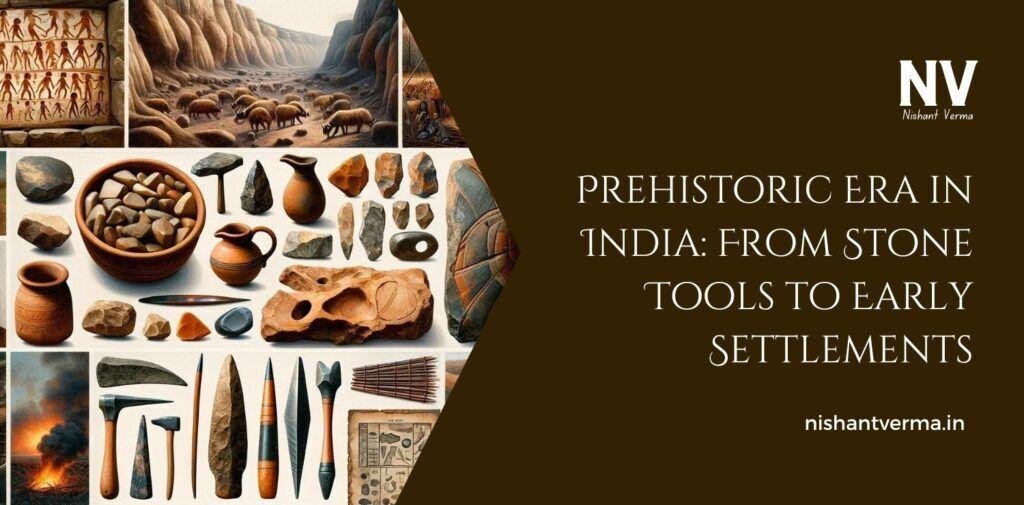
Section 1: Prehistoric Period and Indus Valley Civilization (MCQs 1–20)
This section of 100 Ancient Indian History MCQs for UPSC Prelims 2027 focuses on prehistoric cultures, archaeological discoveries and the major features of the Indus Valley Civilization.
Q1. Which of the following periods is generally associated with the earliest use of stone tools by humans in India?
A. Neolithic Period
B. Paleolithic Period
C. Chalcolithic Period
D. Iron Age
Q2. Microliths are particularly associated with which prehistoric period?
A. Paleolithic Period
B. Mesolithic Period
C. Neolithic Period
D. Iron Age
Q3. Which of the following is an important feature of the Neolithic Period?
A. Exclusive dependence on hunting
B. Beginning of agriculture and animal domestication
C. Widespread use of iron tools
D. Development of large stone temples
Q4. The Bhimbetka rock shelters are located in which Indian state?
A. Rajasthan
B. Madhya Pradesh
C. Gujarat
D. Maharashtra
Q5. Which of the following archaeological sites is associated with early evidence of agriculture in the Indian subcontinent?
A. Mehrgarh
B. Lothal
C. Dholavira
D. Kalibangan
Q6. The Mature Harappan phase is generally dated to:
A. 4000–3000 BCE
B. 2600–1900 BCE
C. 1500–1000 BCE
D. 600–300 BCE
Q7. Which Harappan site is particularly famous for its dockyard-like structure?
A. Harappa
B. Mohenjo-daro
C. Lothal
D. Banawali
Q8. The Great Bath was discovered at:
A. Harappa
B. Mohenjo-daro
C. Kalibangan
D. Rakhigarhi
Q9. Which Harappan site is located in present-day Gujarat and is known for its sophisticated water management system?
A. Dholavira
B. Ropar
C. Alamgirpur
D. Chanhudaro
Q10. Which of the following Harappan sites is associated with evidence of a ploughed agricultural field?
A. Kalibangan
B. Lothal
C. Surkotada
D. Harappa
Q11. The Harappan script is:
A. Fully deciphered
B. Written only in Sanskrit
C. Still undeciphered
D. Written exclusively in Brahmi
Q12. Which metal was not commonly used by the Harappan people?
A. Copper
B. Bronze
C. Gold
D. Iron
Q13. Which of the following best describes Harappan urban planning?
A. Randomly arranged settlements
B. Planned streets and drainage systems
C. Settlements without residential divisions
D. Exclusive use of circular buildings
Q14. The famous bronze statue known as the ‘Dancing Girl’ was discovered at:
A. Harappa
B. Mohenjo-daro
C. Dholavira
D. Kalibangan
Q15. Which animal is frequently represented on Harappan seals?
A. Unicorn-like animal
B. Lion
C. Camel
D. Horse
Q16. Which of the following was an important feature of the Harappan economy?
A. Only subsistence hunting
B. Agriculture, crafts and trade
C. Exclusive dependence on pastoralism
D. Absence of external trade
Q17. The Harappan site of Rakhigarhi is located in:
A. Haryana
B. Punjab
C. Rajasthan
D. Uttar Pradesh
Q18. Which of the following sites is associated with evidence of a large signboard-like inscription made of Harappan signs?
A. Dholavira
B. Kalibangan
C. Banawali
D. Ropar
Q19. Which of the following was a major characteristic of Harappan pottery?
A. Exclusively black pottery without decoration
B. Red pottery often decorated with black designs
C. Only glazed blue pottery
D. Complete absence of pottery
Q20. Which of the following statements about the Indus Valley Civilization is correct?
A. It had a fully deciphered script.
B. It was primarily an urban civilization.
C. Iron was its most widely used metal.
D. It had no evidence of craft production.
Attempting these Ancient Indian History MCQs for UPSC Prelims 2027 will help in assessing your understanding of prehistoric cultures and Harappan archaeology.
For a more detailed understanding of Harappan cities, town planning, drainage systems, important archaeological sites and discoveries, read our comprehensive guide on Indus Valley Civilization Notes UPSC 2027: Complete & Important Guide.
Answer Key and Explanations: Section 1
- B – Paleolithic Period: The Paleolithic or Old Stone Age is associated with early stone tools and hunting-gathering communities.
- B – Mesolithic Period: Microliths were small stone tools commonly associated with Mesolithic cultures.
- B – Beginning of agriculture and animal domestication: Neolithic communities increasingly practised farming and animal domestication.
- B – Madhya Pradesh: Bhimbetka is famous for its prehistoric rock shelters and paintings.
- A – Mehrgarh: Mehrgarh provides important evidence of early farming and animal domestication in the northwestern subcontinent.
- B – 2600–1900 BCE: This is the generally accepted date range of the Mature Harappan phase.
- C – Lothal: Lothal is famous for a structure interpreted by many archaeologists as a dockyard.
- B – Mohenjo-daro: The Great Bath is one of the most remarkable structures discovered at Mohenjo-daro.
- A – Dholavira: Dholavira is particularly known for its reservoirs and sophisticated water management.
- A – Kalibangan: Evidence of a ploughed field was discovered at Kalibangan in Rajasthan.
- C – Still undeciphered: Despite numerous attempts, the Harappan script has not yet been conclusively deciphered.
- D – Iron: Harappan metallurgy included copper, bronze, gold and other materials, but iron was not commonly used.
- B – Planned streets and drainage systems: Harappan cities displayed systematic planning, drainage and organised residential areas.
- B – Mohenjo-daro: The bronze Dancing Girl figurine was discovered at Mohenjo-daro.
- A – Unicorn-like animal: A frequently occurring motif on Harappan seals is an animal commonly described as a unicorn.
- B – Agriculture, crafts and trade: The Harappan economy was supported by farming, specialised crafts and internal as well as external trade.
- A – Haryana: Rakhigarhi is an important Harappan archaeological site in Haryana.
- A – Dholavira: Dholavira is known for a large signboard-like arrangement of Harappan signs.
- B – Red pottery often decorated with black designs: Red ware with black painted motifs was common in Harappan pottery.
- B – It was primarily an urban civilization: Planned cities, drainage systems and specialised crafts demonstrate its urban character.
To explore the major characteristics of Harappan society, including town planning, trade, crafts, seals and pottery, read 10 Powerful Key Features of Harappan Culture (UPSC Prelims 2027 Guide).
Section 2: Vedic Period, Mahajanapadas and Rise of Magadha (MCQs 21–40)
Practising Ancient Indian History MCQs for UPSC Prelims 2027 will help candidates understand the Vedic Period, the sixteen Mahajanapadas and the emergence of Magadha.
Q21. Which of the following is considered the oldest Veda?
A. Samaveda
B. Yajurveda
C. Rigveda
D. Atharvaveda
Q22. The Early Vedic society was primarily:
A. Urban and industrial
B. Pastoral and tribal
C. Based on large-scale maritime trade
D. Dominated by feudal land relations
Q23. Which river is mentioned most frequently in the Rigveda?
A. Ganga
B. Yamuna
C. Saraswati
D. Indus
Q24. The term ‘Sapta Sindhu’ refers to:
A. Seven mountains
B. The land of seven rivers
C. Seven kingdoms of South India
D. Seven Vedic sacrifices
Q25. Which of the following Vedas is mainly associated with melodies and chants?
A. Rigveda
B. Samaveda
C. Yajurveda
D. Atharvaveda
Q26. The Yajurveda is primarily concerned with:
A. Medical treatment
B. Sacrificial formulae and rituals
C. Astronomy alone
D. Political administration
Q27. Which of the following texts primarily contains spells, charms and references to everyday concerns?
A. Rigveda
B. Samaveda
C. Atharvaveda
D. Aitareya Brahmana
Q28. The Upanishads are primarily concerned with:
A. Military strategy
B. Philosophical and spiritual knowledge
C. Trade regulations
D. Agricultural taxation
Q29. Which institution is frequently mentioned in the Rigvedic period as an assembly of the people?
A. Sabha
B. Mantriparishad
C. Nagarasabha
D. Gram Panchayat
Q30. The term ‘Rajan’ in the Rigvedic period generally referred to:
A. A village priest
B. A tribal chief or ruler
C. A merchant guild leader
D. A military governor appointed by an emperor
Q31. How many Mahajanapadas are traditionally recognised in ancient Indian history?
A. 12
B. 14
C. 16
D. 18
Q32. Which Buddhist text contains a well-known list of the sixteen Mahajanapadas?
A. Anguttara Nikaya
B. Digha Nikaya
C. Vinaya Pitaka
D. Milindapanha
Q33. Which Mahajanapada became the most powerful kingdom in the later period?
A. Kuru
B. Panchala
C. Magadha
D. Matsya
Q34. Which ruler is associated with the early expansion of Magadha from Rajagriha?
A. Bimbisara
B. Ashoka
C. Chandragupta Maurya
D. Kanishka
Q35. Who was the son and successor of Bimbisara according to traditional accounts?
A. Udayin
B. Ajatashatru
C. Mahapadma Nanda
D. Dhana Nanda
Q36. Which ancient city became the capital of Magadha under the later Haryanka rulers and was further developed under subsequent dynasties?
A. Taxila
B. Pataliputra
C. Ujjain
D. Mathura
Q37. Which dynasty ruled Magadha immediately before the Mauryas?
A. Haryanka
B. Shishunaga
C. Nanda
D. Gupta
Q38. Which of the following was a republican or oligarchic confederacy in ancient India?
A. Vajji
B. Avanti
C. Magadha
D. Kosala
Q39. Which Mahajanapada had its capital at Taxila?
A. Gandhara
B. Kashi
C. Vatsa
D. Anga
Q40. Which of the following factors contributed to the rise of Magadha?
A. Access to iron resources
B. Fertile agricultural land
C. Strategic geographical location
D. All of the above
These questions will help you revise important concepts related to the Vedic Period, Mahajanapadas and the rise of Magadha.
Answer Key and Explanations: Section 2
- C – Rigveda: The Rigveda is the oldest of the four Vedas and contains hymns dedicated to various deities.
- B – Pastoral and tribal: Early Vedic society was largely pastoral, with cattle playing an important economic role.
- D – Indus: The Sindhu or Indus River is frequently mentioned in the Rigveda.
- B – The land of seven rivers: Sapta Sindhu refers to the northwestern region associated with seven rivers.
- B – Samaveda: The Samaveda contains melodies and chants, many of which are based on Rigvedic verses.
- B – Sacrificial formulae and rituals: The Yajurveda provides formulae and instructions associated with sacrificial rituals.
- C – Atharvaveda: It includes spells, charms, healing practices and concerns of everyday life.
- B – Philosophical and spiritual knowledge: The Upanishads explore concepts such as Brahman, Atman and ultimate reality.
- A – Sabha: Sabha and Samiti were important assemblies mentioned in Rigvedic literature.
- B – A tribal chief or ruler: Rajan generally referred to the chief of a tribe or community.
- C – 16: Ancient Buddhist and Jain traditions refer to sixteen major territorial states or Mahajanapadas.
- A – Anguttara Nikaya: The Anguttara Nikaya contains a famous list of sixteen Mahajanapadas.
- C – Magadha: Magadha gradually emerged as the most powerful state due to its resources, rulers and strategic location.
- A – Bimbisara: Bimbisara expanded Magadha through military campaigns and matrimonial alliances.
- B – Ajatashatru: Ajatashatru succeeded Bimbisara and further expanded Magadha.
- B – Pataliputra: Pataliputra became a major political centre and the capital of powerful Magadhan and later imperial dynasties.
- C – Nanda: The Nanda dynasty ruled Magadha immediately before the establishment of the Mauryan Empire.
- A – Vajji: Vajji was a confederacy associated with the Licchavis and other clans.
- A – Gandhara: Taxila was an important centre and the capital of Gandhara.
- D – All of the above: Iron resources, fertile land, river systems and strategic geography contributed to Magadha’s rise.

Section 3: Buddhism, Jainism and Mauryan Empire (MCQs 41–60)
This part covers important religious movements and the Mauryan Empire through carefully selected Ancient Indian History MCQs for UPSC Prelims 2027.
Q41. Gautama Buddha was born at:
A. Sarnath
B. Lumbini
C. Bodh Gaya
D. Kushinagar
Q42. Gautama Buddha attained enlightenment at:
A. Sarnath
B. Rajgir
C. Bodh Gaya
D. Vaishali
Q43. Buddha delivered his first sermon at:
A. Sarnath
B. Lumbini
C. Kushinagar
D. Pataliputra
Q44. The first sermon of Buddha is traditionally known as:
A. Mahaparinirvana
B. Dharmachakra Pravartana
C. Kevala Jnana
D. Triratna
Q45. The Four Noble Truths are associated with:
A. Jainism
B. Buddhism
C. Ajivika philosophy
D. Charvaka philosophy
Q46. Which of the following is a part of the Noble Eightfold Path?
A. Right livelihood
B. Right speech
C. Right action
D. All of the above
Q47. Gautama Buddha attained Mahaparinirvana at:
A. Vaishali
B. Kushinagar
C. Sarnath
D. Rajgir
Q48. Who is traditionally regarded as the 24th Tirthankara of Jainism?
A. Rishabhanatha
B. Parshvanatha
C. Mahavira
D. Neminatha
Q49. Who is traditionally recognised as the first Tirthankara of Jainism?
A. Mahavira
B. Rishabhanatha
C. Parshvanatha
D. Ajitanatha
Q50. Which of the following principles is central to Jain philosophy?
A. Ahimsa
B. Animal sacrifice
C. Conquest through war
D. Ritual supremacy
Q51. Mahavira attained Kaivalya at:
A. Bodh Gaya
B. Jambhikagrama
C. Sarnath
D. Lumbini
Q52. The First Buddhist Council was traditionally held at:
A. Vaishali
B. Rajagriha
C. Pataliputra
D. Kashmir
Q53. The Second Buddhist Council is traditionally associated with:
A. Vaishali
B. Taxila
C. Ujjain
D. Sanchi
Q54. Which Mauryan ruler is famous for his policy of Dhamma?
A. Chandragupta Maurya
B. Bindusara
C. Ashoka
D. Brihadratha
Q55. The Kalinga War is generally dated to:
A. 326 BCE
B. 261 BCE
C. 185 BCE
D. 78 CE
Q56. Which Greek ambassador visited the court of Chandragupta Maurya?
A. Fa-Hien
B. Megasthenes
C. Hiuen Tsang
D. Al-Biruni
Q57. Who wrote the ancient Indian political treatise Arthashastra?
A. Kalidasa
B. Kautilya
C. Banabhatta
D. Patanjali
Q58. Which language was commonly used in many of Ashoka’s inscriptions?
A. Prakrit
B. Persian
C. Tamil
D. Greek alone
Q59. The Lion Capital of Ashoka, adopted as India’s National Emblem, was discovered at:
A. Sanchi
B. Sarnath
C. Bodh Gaya
D. Taxila
Q60. The last Mauryan ruler was:
A. Ashoka
B. Bindusara
C. Brihadratha
D. Dasharatha
Use this section of Ancient Indian History MCQs for UPSC Prelims 2027 to strengthen your understanding of Buddhism, Jainism and Mauryan administration.
Answer Key and Explanations: Section 3
- B – Lumbini: Gautama Buddha was born at Lumbini, in present-day Nepal.
- C – Bodh Gaya: Buddha attained enlightenment under the Bodhi Tree at Bodh Gaya.
- A – Sarnath: Buddha delivered his first sermon at the Deer Park in Sarnath.
- B – Dharmachakra Pravartana: This expression refers to the setting in motion of the Wheel of Dharma.
- B – Buddhism: The Four Noble Truths explain suffering, its origin, its cessation and the path leading to its cessation.
- D – All of the above: Right speech, right action and right livelihood are components of the Noble Eightfold Path.
- B – Kushinagar: Buddha attained Mahaparinirvana at Kushinagar.
- C – Mahavira: Mahavira is recognised as the 24th Tirthankara of Jainism.
- B – Rishabhanatha: Rishabhanatha, also known as Adinatha, is regarded as the first Tirthankara.
- A – Ahimsa: Non-violence is one of the most important principles of Jain philosophy.
- B – Jambhikagrama: Jain tradition associates Mahavira’s attainment of Kevala Jnana with the region of Jambhikagrama.
- B – Rajagriha: The First Buddhist Council was traditionally held at Rajagriha under the patronage of Ajatashatru.
- A – Vaishali: The Second Buddhist Council is traditionally associated with Vaishali.
- C – Ashoka: Ashoka promoted Dhamma through inscriptions and administrative measures after the Kalinga War.
- B – 261 BCE: The Kalinga War is generally dated to around 261 BCE.
- B – Megasthenes: Megasthenes served as an ambassador of Seleucus I at the court of Chandragupta Maurya.
- B – Kautilya: The Arthashastra is traditionally attributed to Kautilya, also known as Chanakya.
- A – Prakrit: Many Ashokan inscriptions were composed in Prakrit, using Brahmi script in most regions, with regional variations.
- B – Sarnath: The Lion Capital was discovered at Sarnath and is now India’s National Emblem.
- C – Brihadratha: Brihadratha was the last Mauryan ruler and was overthrown by Pushyamitra Shunga.

Section 4: Post-Mauryan Period and Gupta Empire (MCQs 61–80)
The questions on the Post-Mauryan Period and Gupta Empire are important for revising political developments and cultural achievements in Ancient Indian History for UPSC Prelims 2027.
Q61. Who founded the Shunga dynasty?
A. Pushyamitra Shunga
B. Agnimitra
C. Vasumitra
D. Devabhuti
Q62. Which Central Asian dynasty is associated with the famous ruler Kanishka?
A. Gupta
B. Kushana
C. Satavahana
D. Shunga
Q63. The Fourth Buddhist Council is traditionally associated with which Kushana ruler in northern Buddhist accounts?
A. Kujula Kadphises
B. Vima Kadphises
C. Kanishka
D. Huvishka
Q64. Gandhara art was strongly influenced by:
A. Greco-Roman artistic traditions
B. Chinese calligraphy alone
C. Egyptian architecture
D. Persian miniature painting alone
Q65. Which of the following schools of sculpture is especially associated with the use of red sandstone?
A. Gandhara School
B. Mathura School
C. Amaravati School
D. Pala School
Q66. The Satavahanas primarily ruled in:
A. Deccan region
B. Kashmir Valley
C. Bengal
D. Punjab
Q67. Which language was widely used in Satavahana inscriptions?
A. Prakrit
B. Sanskrit only
C. Persian
D. Pali only
Q68. The famous Nasik inscription of Gautami Balashri praises which Satavahana ruler?
A. Simuka
B. Gautamiputra Satakarni
C. Hala
D. Pulumavi
Q69. Who is generally regarded as the founder of the Gupta imperial dynasty?
A. Chandragupta I
B. Sri Gupta
C. Samudragupta
D. Skandagupta
Q70. Which Gupta ruler is famously known through the Prayaga Prashasti?
A. Chandragupta II
B. Samudragupta
C. Kumaragupta I
D. Skandagupta
Q71. Who composed the Prayaga Prashasti of Samudragupta?
A. Kalidasa
B. Harisena
C. Banabhatta
D. Vishakhadatta
Q72. Which Gupta ruler is associated with the title Vikramaditya?
A. Chandragupta II
B. Samudragupta
C. Kumaragupta I
D. Skandagupta
Q73. Which Chinese traveller visited India during the reign of Chandragupta II?
A. Hiuen Tsang
B. Fa-Hien
C. I-Tsing
D. Sung Yun
Q74. Which of the following was a major centre of Buddhist learning in ancient India?
A. Nalanda
B. Lothal
C. Kalibangan
D. Dholavira
Q75. The Iron Pillar located at Mehrauli is famous for:
A. Its undeciphered Harappan script
B. Its resistance to corrosion
C. Its use as a Buddhist relic
D. Its association with the Mauryan navy
Q76. Which Gupta ruler faced the Hunas?
A. Chandragupta I
B. Samudragupta
C. Skandagupta
D. Kumaragupta I
Q77. Which ancient Indian mathematician is associated with the work Aryabhatiya?
A. Varahamihira
B. Aryabhata
C. Brahmagupta
D. Bhaskara I
Q78. The decimal place-value system developed in India is associated with advances in:
A. Mathematics
B. Sculpture
C. Shipbuilding only
D. Metallurgy only
Q79. Which of the following is a famous work of Kalidasa?
A. Harshacharita
B. Abhijnanashakuntalam
C. Arthashastra
D. Rajatarangini
Q80. The Gupta period is particularly known for achievements in:
A. Literature, science, mathematics and art
B. Industrialisation alone
C. European maritime expansion
D. Large-scale use of gunpowder
Revise the major rulers, dynasties and cultural developments through these Ancient Indian History practice questions.
Answer Key and Explanations: Section 4
- A – Pushyamitra Shunga: Pushyamitra established the Shunga dynasty after overthrowing the last Mauryan ruler.
- B – Kushana: Kanishka was one of the most prominent rulers of the Kushana dynasty.
- C – Kanishka: Northern Buddhist traditions associate a Fourth Buddhist Council in Kashmir with Kanishka; accounts differ among Buddhist traditions.
- A – Greco-Roman artistic traditions: Gandhara sculpture shows strong Hellenistic and Roman artistic influences.
- B – Mathura School: The Mathura school was particularly associated with sculptures made from red sandstone.
- A – Deccan region: The Satavahanas were a major ruling dynasty of the Deccan.
- A – Prakrit: Prakrit was widely used in Satavahana inscriptions.
- B – Gautamiputra Satakarni: The Nasik inscription of Gautami Balashri celebrates the achievements of her son Gautamiputra Satakarni.
- B – Sri Gupta: Sri Gupta is generally regarded as the founder of the Gupta dynasty, while Chandragupta I laid the foundation of its imperial power.
- B – Samudragupta: The Prayaga Prashasti records Samudragupta’s military campaigns and achievements.
- B – Harisena: Harisena, an important court official, composed the Prayaga Prashasti.
- A – Chandragupta II: Chandragupta II is associated with the title Vikramaditya.
- B – Fa-Hien: The Chinese Buddhist traveller Fa-Hien visited India during Chandragupta II’s reign.
- A – Nalanda: Nalanda developed into a major centre of Buddhist learning and scholarship.
- B – Its resistance to corrosion: The Iron Pillar of Delhi is renowned for its remarkable resistance to atmospheric corrosion.
- C – Skandagupta: Skandagupta is known for defending the Gupta Empire against Huna invasions.
- B – Aryabhata: Aryabhata composed the Aryabhatiya, an important work on mathematics and astronomy.
- A – Mathematics: Indian mathematicians made major contributions to the decimal place-value system and mathematical notation.
- B – Abhijnanashakuntalam: Kalidasa wrote this celebrated Sanskrit play.
- A – Literature, science, mathematics and art: The Gupta period witnessed significant achievements across several intellectual and cultural fields.
After completing Ancient Indian History, continue your preparation with Medieval Indian History and practise 100 MCQs Medieval History of India: UPSC Prelims 2027 GS Success Pack
Continue your History revision with Modern Indian History through 100 Modern History MCQs UPSC Prelims 2027: Important Questions with Answers.

Section 5: Sangam Age, Ancient Indian Art, Architecture and Literature (MCQs 81–100)
These Ancient Indian History MCQs for UPSC Prelims 2027 also cover the Sangam Age, temple architecture, Buddhist monuments, literature and ancient Indian science.
Q81. Sangam literature is primarily associated with which region?
A. Kashmir
B. Ancient Tamilakam
C. Gandhara
D. Magadha
Q82. Which of the following were the three major ruling dynasties of ancient Tamilakam?
A. Cholas, Cheras and Pandyas
B. Guptas, Mauryas and Kushanas
C. Pallavas, Chalukyas and Rashtrakutas
D. Nandas, Shungas and Kanvas
Q83. Which ancient Tamil work is primarily a grammatical text?
A. Silappadikaram
B. Manimekalai
C. Tolkappiyam
D. Tirukkural
Q84. Which of the following is a famous Tamil epic?
A. Silappadikaram
B. Arthashastra
C. Meghaduta
D. Raghuvamsha
Q85. The ancient port of Puhar was associated with which dynasty?
A. Chera
B. Chola
C. Pandya
D. Satavahana
Q86. Which of the following was an important feature of the Sangam Age economy?
A. Agriculture and maritime trade
B. Complete absence of trade
C. Exclusive dependence on hunting
D. No contact with foreign merchants
Q87. The earliest surviving examples of extensive rock-cut Buddhist cave architecture in India are associated with:
A. Barabar Hills
B. Ajanta only
C. Ellora only
D. Elephanta
Q88. The Barabar caves were mainly associated with which religious sect?
A. Ajivikas
B. Shaivites
C. Vaishnavites
D. Sufis
Q89. The Great Stupa at Sanchi is traditionally associated with the patronage of:
A. Ashoka
B. Kanishka
C. Samudragupta
D. Harshavardhana
Q90. A Stupa was primarily constructed to:
A. Serve as a royal palace
B. Enshrine relics and serve as a Buddhist commemorative monument
C. Function as a military fort
D. Store agricultural produce
Q91. Which of the following is a major characteristic of the Nagara style of temple architecture?
A. Curvilinear Shikhara
B. Large pyramidal Vimana as its defining feature
C. Exclusive use of wooden pillars
D. Absence of a sanctum
Q92. The Dravida style of temple architecture is mainly associated with:
A. Northern India
B. Southern India
C. Northwestern India
D. Himalayan Buddhist monasteries
Q93. The Kailasa Temple at Ellora was commissioned by which Rashtrakuta ruler?
A. Dantidurga
B. Krishna I
C. Amoghavarsha
D. Govinda III
Q94. The Ajanta caves are especially famous for:
A. Buddhist paintings and sculptures
B. Mughal miniature paintings
C. Harappan seals
D. Gupta gold coins
Q95. Which of the following is an example of a Buddhist Chaitya?
A. A prayer hall
B. A royal palace
C. An agricultural warehouse
D. A military barrack
Q96. The term ‘Vihara’ in Buddhist architecture generally refers to:
A. A monastery or residence for monks
B. A sacrificial altar
C. A royal court
D. A market complex
Q97. Which ancient Indian text is associated with statecraft and political administration?
A. Arthashastra
B. Meghaduta
C. Gita Govinda
D. Buddhacharita
Q98. Who wrote Buddhacharita, an important Sanskrit biography of Gautama Buddha?
A. Ashvaghosha
B. Kalidasa
C. Banabhatta
D. Harisena
Q99. Which ancient Indian scholar is traditionally associated with the Yoga Sutras?
A. Panini
B. Patanjali
C. Charaka
D. Sushruta
Q100. Which of the following ancient Indian texts is associated with medicine and Ayurveda?
A. Charaka Samhita
B. Arthashastra
C. Ashtadhyayi
D. Natya Shastra
Answer Key and Explanations: Section 5
- B – Ancient Tamilakam: Sangam literature reflects the social, political, economic and cultural life of ancient Tamilakam.
- A – Cholas, Cheras and Pandyas: These three dynasties were major political powers in ancient Tamilakam.
- C – Tolkappiyam: Tolkappiyam is an ancient Tamil grammatical work that also discusses aspects of literature and society.
- A – Silappadikaram: Silappadikaram is one of the great Tamil epics.
- B – Chola: Puhar, also known as Kaveripattinam, was an important port associated with the Cholas.
- A – Agriculture and maritime trade: Sangam-era society included agriculture, crafts, inland commerce and overseas trade.
- A – Barabar Hills: The Barabar caves in Bihar are among the earliest surviving examples of rock-cut cave architecture in India.
- A – Ajivikas: Several Barabar caves were dedicated to the Ajivika sect during the Mauryan period.
- A – Ashoka: Ashoka is traditionally associated with the establishment of the original Sanchi Stupa.
- B – Enshrine relics and serve as a Buddhist commemorative monument: Stupas were built to preserve sacred relics and commemorate important Buddhist events and sites.
- A – Curvilinear Shikhara: The Nagara style is generally characterised by a curvilinear tower over the sanctum.
- B – Southern India: Dravida temple architecture developed primarily in southern India and is characterised by pyramidal tower forms.
- B – Krishna I: The Kailasa Temple at Ellora is generally attributed to the Rashtrakuta ruler Krishna I.
- A – Buddhist paintings and sculptures: Ajanta is famous for its Buddhist cave paintings, murals and sculptures.
- A – A prayer hall: A Chaitya was a Buddhist prayer or worship hall, often containing a Stupa.
- A – A monastery or residence for monks: Viharas served as residential spaces for Buddhist monks.
- A – Arthashastra: Traditionally attributed to Kautilya, Arthashastra discusses statecraft, administration, economy and diplomacy.
- A – Ashvaghosha: Ashvaghosha composed Buddhacharita, an important Sanskrit work on the life of Buddha.
- B – Patanjali: Patanjali is traditionally credited with the Yoga Sutras, a foundational text of classical Yoga philosophy.
- A – Charaka Samhita: Charaka Samhita is a major classical text of Ayurveda, especially associated with internal medicine.
How to Prepare Ancient Indian History for UPSC Prelims 2027
Ancient Indian History requires a combination of conceptual clarity, chronological understanding and repeated revision. Aspirants should focus on the following preparation strategies:
1. Build a Strong Chronological Understanding
Prepare a timeline covering the Prehistoric Period, Indus Valley Civilization, Vedic Period, Mahajanapadas, Mauryan Empire, Post-Mauryan Period and Gupta Empire.
2. Focus on Important Archaeological Sites
Remember the locations and distinctive features of sites such as Harappa, Mohenjo-daro, Lothal, Dholavira, Kalibangan, Rakhigarhi, Mehrgarh and Bhimbetka.
3. Compare Religious Movements
Study the similarities and differences between Buddhism and Jainism, including their founders, teachings, symbols, councils and important historical centres.
4. Revise Important Dynasties and Rulers
Pay special attention to Bimbisara, Ajatashatru, Chandragupta Maurya, Ashoka, Kanishka, Gautamiputra Satakarni, Samudragupta and Chandragupta II.
5. Study Art and Architecture
Revise Stupas, Chaityas, Viharas, rock-cut caves, temple architecture, Gandhara art and Mathura art.
6. Practise Previous Year Questions
Solve UPSC previous year questions to understand the examination pattern, factual depth and conceptual approach.
Regular practice of 100 Ancient Indian History MCQs for UPSC Prelims 2027 can help aspirants identify weak areas and improve their accuracy before the examination.
For better revision, combine these 100 Ancient Indian History MCQs for UPSC Prelims 2027 with NCERT textbooks and previous year question papers.
While planning your History preparation, review the complete topic-wise syllabus through our guide on History Syllabus for UPSC Prelims 2027: Important Topics You Should Not Miss
Frequently Asked Questions About Ancient Indian History MCQs
1. How many Ancient Indian History MCQs are included in this practice set?
This practice set contains 100 MCQs divided into five sections, with 20 questions in each section.
2. Are these questions useful for UPSC Prelims 2027?
Yes. These questions cover important Ancient Indian History themes and are designed to help aspirants practise factual knowledge, concepts and historical developments relevant to UPSC Prelims preparation.
3. Which topics are covered in these 100 MCQs?
The questions cover Prehistory, Indus Valley Civilization, Vedic Period, Mahajanapadas, Buddhism, Jainism, Mauryan Empire, Post-Mauryan Period, Gupta Empire, Sangam Age, art, architecture and literature.
4. Are answers provided with explanations?
Yes. Each section has a separate answer key containing correct options and brief explanations.
5. Which books should I read for Ancient Indian History for UPSC?
NCERT History textbooks are a useful starting point. Aspirants may also refer to standard Ancient Indian History books such as R.S. Sharma’s India’s Ancient Past for additional understanding.
6. How should I use these MCQs for revision?
Attempt each section without checking the answers first. Review the explanations, identify weak areas and revise the relevant topics before attempting the next section.
7. Is Ancient Indian History important for UPSC Prelims?
Yes. Ancient Indian History is an important part of the History component of General Studies Paper I and should be included in a balanced preparation strategy.
8. Should I memorise dates and dynasties for the examination?
Important dates, dynasties and chronological sequences should be revised, but aspirants should also understand historical developments, cultural changes and connections between different periods.
Conclusion
Revising these 100 Ancient Indian History MCQs for UPSC Prelims 2027 along with standard textbooks and previous year questions can strengthen your overall History preparation.
Ancient Indian History is a broad subject that requires systematic preparation, regular revision and consistent MCQ practice. These 100 Ancient Indian History MCQs for UPSC Prelims 2027 provide an opportunity to revise important historical events, archaeological discoveries, religious movements, dynasties and cultural developments.
Attempt all five sections, carefully review the explanations and revisit topics where you make mistakes. Consistent practice will help improve your factual accuracy and conceptual understanding for the Civil Services Preliminary Examination.
Keep practising, keep revising and strengthen your preparation for UPSC Prelims 2027!
Recommended Posts
Ultimate UPSC Exam Eligibility 2027: Age Limit, Qualification, Attempts & Nationality
UPSC Prelims Practice Questions: 1000+ Important MCQs with Answers for 2026
Powerful UPSC Prelims 2027 Strategy & Study Plan
7 Best Books for UPSC Prelims 2027: The Ultimate Topper’s List
UPSC Prelims 2027 Subject Wise Weightage: Previous Year Trends & Strategy
Explore More UPSC Resources
Current Affairs For UPSC Prelims 2027
Geography for UPSC Prelims 2027
Science and Technology for UPSC Prelims 2027
External Resources
For authentic study material and additional historical information, refer to these trusted resources:
Disclaimer: This practice set is intended for educational and revision purposes. These are practice questions and are not official UPSC questions or predictions of the actual examination.
Get Daily Current Affairs MCQs, GK Quizzes and study resources for UPSC, State PCS and SSC examinations.
✈️ Join our Telegram channel "Knowledge Chronicles Plus" for free