Environment and Ecology is an important area of UPSC Prelims because questions can connect basic ecological concepts with biodiversity, climate change, conservation, environmental laws, protected areas and international environmental institutions. A good preparation strategy therefore requires both conceptual understanding and awareness of important environmental developments.
This practice set contains 100 Environment MCQs covering basic environmental concepts, climate change, biodiversity and conservation, Indian environmental laws and institutions, protected areas, and selected current-affairs topics. The questions are designed as a revision exercise to help aspirants test their understanding and identify areas that require further study.
Use these MCQs alongside the UPSC syllabus, standard reference material and previous-year questions rather than treating question practice as a substitute for conceptual preparation.
🌿 Why Environment MCQs are Important for UPSC 2027
Environment questions in UPSC Prelims can test both conceptual understanding and awareness of recent developments. MCQ practice is useful for revising ecological concepts, environmental institutions, conservation measures and important laws while also identifying topics that require further study.
For effective preparation, combine these questions with standard Environment resources, the UPSC syllabus and previous-year questions.
Practicing Environment MCQs 2027 helps aspirants understand the pattern of questions and improves accuracy in the exam. Most of the questions are concept-based but are directly linked with current affairs, making this section highly dynamic.

📊 Key Topics Covered in Environment MCQs 2027
In this post, the Environment MCQs 2027 are designed to cover all major areas that are important for UPSC Prelims:
- Climate Change and Global Warming
- Biodiversity and Conservation
- Environmental Organizations (IUCN, UNEP, WWF)
- Indian Environmental Laws and Policies
- National Parks and Wildlife Sanctuaries
- Current Affairs related to Environment
👉 These topics are frequently asked in UPSC Prelims and should be revised multiple times.
Let’s begin with the most important Environment MCQs 2027 covering basic concepts asked in UPSC Prelims.
🌱 Basics Environment MCQs 2027 (1–20)
This section revises fundamental environmental concepts, including biodiversity, ecosystems, natural resources and basic environmental processes.
Q1. What is biodiversity?
A. Variety of species
B. Variety of ecosystems
C. Genetic variation
D. All of the above
👉 Answer: D
Q2. Which gas is primarily responsible for global warming?
A. Oxygen
B. Nitrogen
C. Carbon dioxide
D. Hydrogen
👉 Answer: C
Q3. The ozone layer protects Earth from:
A. Infrared rays
B. Ultraviolet rays
C. X-rays
D. Gamma rays
👉 Answer: B
Q4. Kyoto Protocol is related to:
A. Biodiversity conservation
B. Climate change
C. Water management
D. Forest conservation
👉 Answer: B
Q5. Chipko Movement started in:
A. Gujarat
B. Uttarakhand
C. Bihar
D. Rajasthan
👉 Answer: B
Q6. Which ecosystem has the highest biodiversity?
A. Desert
B. Grassland
C. Tropical rainforest
D. Tundra
👉 Answer: C
Q7. Which of the following is a renewable resource?
A. Coal
B. Petroleum
C. Solar energy
D. Natural gas
👉 Answer: C
Q8. The term ‘Ecology’ was coined by:
A. Darwin
B. Haeckel
C. Newton
D. Einstein
👉 Answer: B
Q9. Which of the following is a greenhouse gas?
A. Oxygen
B. Nitrogen
C. Methane
D. Helium
👉 Answer: C
Q10. Deforestation leads to:
A. Increase in rainfall
B. Soil erosion
C. Lower temperature
D. Reduced CO₂
👉 Answer: B
Q11. Which layer of atmosphere contains ozone layer?
A. Troposphere
B. Stratosphere
C. Mesosphere
D. Thermosphere
👉 Answer: B
Q12. Which organization works for environmental protection globally?
A. WHO
B. UNESCO
C. UNEP
D. IMF
👉 Answer: C
Q13. What is the main cause of acid rain?
A. CO₂
B. SO₂ and NOx
C. Oxygen
D. Hydrogen
👉 Answer: B
Q14. Which of the following is a non-renewable resource?
A. Wind energy
B. Solar energy
C. Coal
D. Hydropower
👉 Answer: C
Q15. Global warming leads to:
A. Decrease in sea level
B. Increase in glaciers
C. Rising sea level
D. Cooling of Earth
👉 Answer: C
Q16. Which of the following is a primary consumer?
A. Lion
B. Tiger
C. Deer
D. Snake
👉 Answer: C
Q17. Which gas is most abundant in Earth’s atmosphere?
A. Oxygen
B. Nitrogen
C. Carbon dioxide
D. Hydrogen
👉 Answer: B
Q18. Which of the following is a biodegradable waste?
A. Plastic
B. Glass
C. Paper
D. Metal
👉 Answer: C
Q19. Which is the largest source of energy on Earth?
A. Wind
B. Sun
C. Coal
D. Water
👉 Answer: B
Q20. Which term describes the variety of life on Earth?
A. Ecology
B. Biosphere
C. Biodiversity
D. Habitat
👉 Answer: C

🌍 Climate Change Environment MCQs 2027 (21–40)
The following questions focus on climate change, greenhouse gases, international climate agreements and major climate-related concepts.
Q21. Paris Agreement aims to limit global temperature rise to:
A. 1°C
B. 1.5°C
C. 2.5°C
D. 3°C
👉 Answer: B
Q22. Greenhouse effect is caused by:
A. Oxygen
B. Nitrogen
C. Carbon dioxide and other gases
D. Hydrogen
👉 Answer: C
Q23. Which of the following is NOT a greenhouse gas?
A. Methane
B. Nitrous oxide
C. Oxygen
D. Carbon dioxide
👉 Answer: C
Q24. The main cause of global warming is:
A. Natural cycles
B. Human activities
C. Volcanic eruptions
D. Ocean currents
👉 Answer: B
Q25. UNFCCC stands for:
A. United Nations Framework Convention on Climate Change
B. United Nations Forum on Climate Control
C. Universal Network for Climate Change
D. United Nations Fund for Climate Conservation
👉 Answer: A
Q26. COP meetings are related to:
A. Trade
B. Climate change
C. Health
D. Education
👉 Answer: B
Q27. Which country withdrew from Paris Agreement (temporarily)?
A. China
B. India
C. USA
D. Russia
👉 Answer: C
Q28. What does ‘Net Zero’ mean?
A. No emissions
B. Zero pollution
C. Balance between emissions and removal
D. No carbon use
👉 Answer: C
Q29. Which sector contributes most to global greenhouse emissions?
A. Agriculture
B. Industry
C. Energy
D. Transport
👉 Answer: C
Q30. Which gas has the highest global warming potential?
A. CO₂
B. Methane
C. Nitrous oxide
D. CFCs
👉 Answer: D
Q31. Climate change leads to:
A. Stable weather
B. Extreme weather events
C. Reduced temperature
D. No effect
👉 Answer: B
Q32. El Niño is associated with:
A. Cooling
B. Warming of Pacific Ocean
C. Earthquakes
D. Volcanoes
👉 Answer: B
Q33. Which of the following is a carbon sink?
A. Oceans
B. Forests
C. Soil
D. All of the above
👉 Answer: D
Q34. IPCC stands for:
A. International Panel on Climate Control
B. Intergovernmental Panel on Climate Change
C. International Program for Climate Conservation
D. Intergovernmental Policy on Climate Change
👉 Answer: B
Q35. Which agreement replaced Kyoto Protocol?
A. Montreal Protocol
B. Paris Agreement
C. Rio Declaration
D. Geneva Convention
👉 Answer: B
Q36. Global warming results in:
A. Glacier melting
B. Sea level rise
C. Habitat loss
D. All of the above
👉 Answer: D
Q37. Which gas is mainly responsible for ozone depletion?
A. CO₂
B. Methane
C. CFCs
D. Oxygen
👉 Answer: C
Q38. Climate change impacts agriculture by:
A. Increasing yield always
B. No impact
C. Changing rainfall patterns
D. Eliminating crops
👉 Answer: C
Q39. Which summit focuses on sustainable development?
A. Kyoto
B. Rio Earth Summit
C. COP
D. WTO Summit
👉 Answer: B
Q40. Which organization releases climate reports globally?
A. WHO
B. IMF
C. IPCC
D. UNESCO
👉 Answer: C
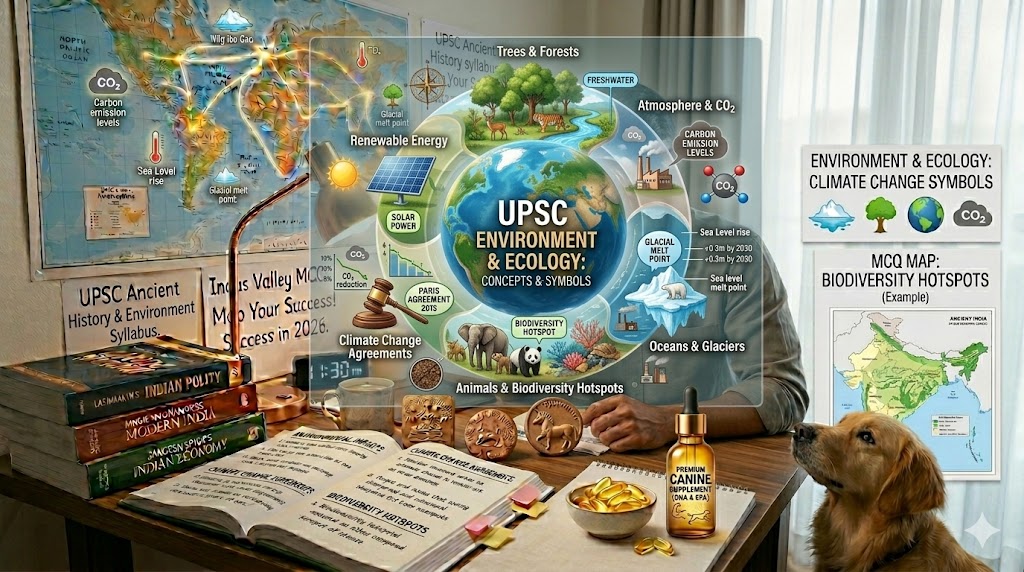
Practicing these Environment MCQs 2027 will help you understand important concepts related to biodiversity and conservation.
🌳Biodiversity & Conservation: Environment MCQs 2027 (41–60)
This section covers biodiversity conservation, protected areas, environmental organisations and important conservation concepts.
Q41. IUCN Red List is related to:
A. Climate change
B. Endangered species
C. Pollution
D. Water conservation
👉 Answer: B
Q42. Project Tiger was launched in:
A. 1965
B. 1973
C. 1985
D. 1991
👉 Answer: B
Q43. Biodiversity hotspot concept was given by:
A. Charles Darwin
B. Norman Myers
C. Malthus
D. Linnaeus
👉 Answer: B
Q44. Which of the following is NOT a biodiversity hotspot in India?
A. Western Ghats
B. Himalaya
C. Sundarbans
D. Indo-Burma
👉 Answer: C
Q45. WWF stands for:
A. World Wildlife Fund
B. World Water Forum
C. Wildlife World Federation
D. World Forest Foundation
👉 Answer: A
Q46. Which of the following is an endemic species?
A. Found worldwide
B. Found in a specific region only
C. Migratory species
D. Marine species
👉 Answer: B
Q47. National Biodiversity Authority is located in:
A. Delhi
B. Mumbai
C. Chennai
D. Kolkata
👉 Answer: C
Q48. Which of the following is an example of in-situ conservation?
A. Zoo
B. Botanical garden
C. National park
D. Seed bank
👉 Answer: C
Q49. Ex-situ conservation includes:
A. Wildlife sanctuary
B. National parks
C. Zoos and botanical gardens
D. Forest reserves
👉 Answer: C
Q50. Biosphere reserves are designated by:
A. WHO
B. UNESCO
C. IMF
D. WTO
👉 Answer: B
Q51. Which is the first biosphere reserve in India?
A. Nilgiri
B. Sundarbans
C. Nanda Devi
D. Gulf of Mannar
👉 Answer: A
Q52. Red Panda is classified as:
A. Least concern
B. Vulnerable
C. Endangered
D. Critically endangered
👉 Answer: C
Q53. Which Act is related to wildlife protection in India?
A. Environment Protection Act
B. Wildlife Protection Act 1972
C. Forest Act
D. Biodiversity Act
👉 Answer: B
Q54. Sacred groves are associated with:
A. Religious conservation
B. Industrial use
C. Urban forests
D. Wildlife tourism
👉 Answer: A
Q55. Which of the following is NOT a method of conservation?
A. Afforestation
B. Deforestation
C. Wildlife protection
D. Habitat conservation
👉 Answer: B
Q56. Keystone species are:
A. Rare species
B. Dominant species
C. Species with large impact on ecosystem
D. Endangered species
👉 Answer: C
Q57. Ramsar Convention is related to:
A. Forests
B. Wetlands
C. Oceans
D. Wildlife
👉 Answer: B
Q58. Which is the largest mangrove forest in the world?
A. Amazon
B. Sundarbans
C. Congo
D. Taiga
👉 Answer: B
Q59. Biodiversity loss is mainly caused by:
A. Natural disasters
B. Human activities
C. Climate stability
D. Soil fertility
👉 Answer: B
Q60. Which of the following is a protected area?
A. Zoo
B. National Park
C. Botanical garden
D. Aquarium
👉 Answer: B
🏞️ Indian Environment MCQs 2027(61–80)
The questions here focus on Indian environmental institutions, legislation, protected areas and major conservation programmes.
Q61. Silent Valley National Park is located in:
A. Tamil Nadu
B. Kerala
C. Karnataka
D. Andhra Pradesh
👉 Answer: B
Q62. National Green Tribunal (NGT) was established in:
A. 2005
B. 2008
C. 2010
D. 2012
👉 Answer: C
Q63. Which Act provides umbrella legislation for environmental protection in India?
A. Wildlife Protection Act
B. Forest Conservation Act
C. Environment Protection Act 1986
D. Water Act
👉 Answer: C
Q64. Project Elephant was launched in:
A. 1985
B. 1992
C. 2000
D. 2005
👉 Answer: B
Q65. Which of the following is the first national park in India?
A. Kaziranga
B. Jim Corbett
C. Ranthambore
D. Gir
👉 Answer: B
Q66. Sundarbans National Park is famous for:
A. Elephants
B. Tigers
C. Lions
D. Rhinos
👉 Answer: B
Q67. Which river is associated with the Ganga Action Plan?
A. Yamuna
B. Ganga
C. Brahmaputra
D. Godavari
👉 Answer: B
Q68. Which is the largest national park in India?
A. Kaziranga
B. Hemis
C. Jim Corbett
D. Gir
👉 Answer: B
Q69. Wildlife Protection Act was enacted in:
A. 1965
B. 1972
C. 1980
D. 1991
👉 Answer: B
Q70. Forest Conservation Act was passed in:
A. 1972
B. 1980
C. 1986
D. 1992
👉 Answer: B
Q71. Which ministry is responsible for environment in India?
A. Ministry of Agriculture
B. Ministry of Forest
C. Ministry of Environment, Forest and Climate Change
D. Ministry of Science
👉 Answer: C
Q72. Gir National Park is famous for:
A. Tigers
B. Asiatic lions
C. Elephants
D. Deer
👉 Answer: B
Q73. Kaziranga National Park is known for:
A. Elephants
B. One-horned rhinoceros
C. Tigers
D. Leopards
👉 Answer: B
Q74. Which is a biosphere reserve in India?
A. Sundarbans
B. Delhi Ridge
C. Aravalli
D. Chambal
👉 Answer: A
Q75. Which Indian state has the largest forest cover?
A. Madhya Pradesh
B. Arunachal Pradesh
C. Maharashtra
D. Odisha
👉 Answer: A
Q76. Chipko Movement is associated with:
A. Water conservation
B. Forest protection
C. Pollution control
D. Wildlife conservation
👉 Answer: B
Q77. National Afforestation Programme is related to:
A. Wildlife protection
B. Increasing forest cover
C. Water management
D. Soil conservation
👉 Answer: B
Q78. Which lake is a Ramsar site in India?
A. Dal Lake
B. Chilika Lake
C. Vembanad Lake
D. All of the above
👉 Answer: D
Q79. Environmental Impact Assessment (EIA) is required for:
A. Small projects
B. Development projects
C. Educational institutions
D. Tourism only
👉 Answer: B
Q80. Which of the following is NOT a national park?
A. Periyar
B. Bandipur
C. Sariska
D. Sundarbans
👉 Answer: C
These current affairs based Environment MCQs 2026 are highly important for UPSC Prelims and should be revised multiple times.
🌏 Current Affairs Environment MCQs 2027 (81–100)
The final section connects environmental concepts with selected international initiatives, climate policies and recent environmental developments.
Q81. COP meetings are held under which organization?
A. WHO
B. UNFCCC
C. IMF
D. WTO
👉 Answer: B
Q82. COP28 was hosted by which country?
A. India
B. USA
C. UAE
D. UK
👉 Answer: C
Q83. ‘Net Zero’ target refers to:
A. Zero emissions
B. Balancing emissions and removal
C. No carbon usage
D. No pollution
👉 Answer: B
Q84. ‘LiFE’ initiative by India stands for:
A. Lifestyle for Environment
B. Life for Earth
C. Living in Forest Ecosystem
D. Low Impact for Environment
👉 Answer: A
Q85. International Solar Alliance (ISA) headquarters is in:
A. Paris
B. New Delhi
C. Gurugram
D. Geneva
👉 Answer: C
Q86. ‘Green Hydrogen Mission’ is related to:
A. Water conservation
B. Clean energy
C. Wildlife protection
D. Agriculture
👉 Answer: B
Q87. Which country is the largest emitter of CO₂ currently?
A. India
B. USA
C. China
D. Russia
👉 Answer: C
Q88. ‘Mission Amrit Sarovar’ is related to:
A. River cleaning
B. Lake development
C. Groundwater recharge
D. Forest conservation
👉 Answer: B
Q89. ‘Global Stocktake’ is associated with:
A. Biodiversity
B. Climate change assessment
C. Pollution control
D. Water conservation
👉 Answer: B
Q90. ‘Mangrove Alliance for Climate’ was launched by:
A. India
B. UAE
C. USA
D. UK
👉 Answer: B
Q91. ‘Earth Hour’ is organized by:
A. UNEP
B. WWF
C. UNESCO
D. IUCN
👉 Answer: B
Q92. ‘Blue Economy’ mainly relates to:
A. Forests
B. Oceans and marine resources
C. Agriculture
D. Industry
👉 Answer: B
Q93. ‘National Clean Air Programme (NCAP)’ aims to:
A. Improve water quality
B. Reduce air pollution
C. Increase forest cover
D. Protect wildlife
👉 Answer: B
Q94. ‘Carbon Credit’ refers to:
A. Financial loan
B. Permission to emit carbon
C. Tax benefit
D. Energy subsidy
👉 Answer: B
Q95. ‘Mission LiFE’ was introduced at which event?
A. COP26
B. COP27
C. COP28
D. Rio Summit
👉 Answer: A
Q96. ‘Green Climate Fund’ is associated with:
A. Agriculture
B. Climate finance
C. Wildlife
D. Trade
👉 Answer: B
Q97. ‘Project Dolphin’ was launched in India in:
A. 2015
B. 2018
C. 2020
D. 2022
👉 Answer: C
Q98. ‘Single-use plastic ban’ in India was implemented in:
A. 2019
B. 2020
C. 2022
D. 2023
👉 Answer: C
Q99. ‘International Day of Biodiversity’ is observed on:
A. April 22
B. May 22
C. June 5
D. July 1
👉 Answer: B
Q100. ‘UNEP’ headquarters is located in:
A. Paris
B. Nairobi
C. Geneva
D. New York
👉 Answer: B
Recommended Posts
Physical Geography for UPSC Prelims 2027: Complete Notes & Important Topics
Ultimate Physical Geography of India UPSC MCQs 2027 | 100 Important Questions With Answers
Himalayan Rivers UPSC Prelims 2027: 100 Outstanding MCQs with Answers & Explanations
Indian Rivers and Drainage System UPSC Prelims 2027: Important Facts for Success
🧠 Preparation Tips for Environment MCQs 2027
To score well in Environment, aspirants should follow a smart preparation strategy:
- Revise basic concepts from NCERT and standard books
- Focus on current environmental issues and reports
- Practice topic-wise MCQs regularly
- Make short notes for quick revision
- Solve previous year questions to understand trends
👉 Regular practice of Environment MCQs 2027 will significantly improve your speed and accuracy in the exam.
To understand the conservation status of species, aspirants should refer to the official IUCN Red List, which provides detailed information about endangered and threatened species across the world. This resource is highly useful for preparing Environment MCQs 2027 and understanding biodiversity-related questions.
For a deeper understanding of global climate agreements like the Paris Agreement and COP summits, aspirants should explore the official UNFCCC website. It provides authentic and updated information related to climate change policies and international environmental negotiations.
External Resources
- Ministry of Environment, Forest and Climate Change (MoEFCC)
- United Nations Environment Programme (UNEP)
- Intergovernmental Panel on Climate Change (IPCC)
📌 Conclusion:
These 100 questions provide a structured revision of important Environment and Ecology topics, including basic ecological concepts, climate change, biodiversity, conservation, Indian environmental laws and institutions, protected areas and selected environmental developments.
Use the questions to test your recall and identify topics that require deeper study. For current environmental policies, programmes and international developments, refer to official government agencies and relevant international organisations for the latest information.
Practicing Environment MCQs 2027 regularly will significantly improve your accuracy and confidence for UPSC Prelims 2027.
12 thoughts on “Environment MCQs 2027: 100 Most Important Questions for UPSC Prelims”