Introduction
Art and Culture is one of the most important and scoring subjects in both UPPCS Prelims 2026 and UPSC Prelims 2027. Every year, several questions are asked from Indian classical dances, music, paintings, architecture, literature, religions, UNESCO World Heritage Sites, GI tags, fairs and festivals, puppetry, theatre, and cultural institutions. A strong command of these topics not only improves your Prelims score but also helps in the Mains examination, especially in General Studies Paper 1.
This 100 Art & Culture MCQs UPPCS Prelims 2026 practice set has been carefully designed according to the latest UPSC and State PCS examination trends. The questions are based on NCERT books, the CCRT website, the Ministry of Culture, previous year questions (PYQs), and frequently tested themes from recent examinations. The objective is to help aspirants strengthen conceptual understanding while improving speed and accuracy.
The MCQs are divided into five sections, with 20 carefully selected questions in each section. To encourage self-assessment, answers are not provided immediately after each question. Instead, a complete answer key with short explanations is given at the end of every section, allowing candidates to evaluate their performance after attempting all twenty questions.
Topics Covered in Top 100 Art & Culture MCQs
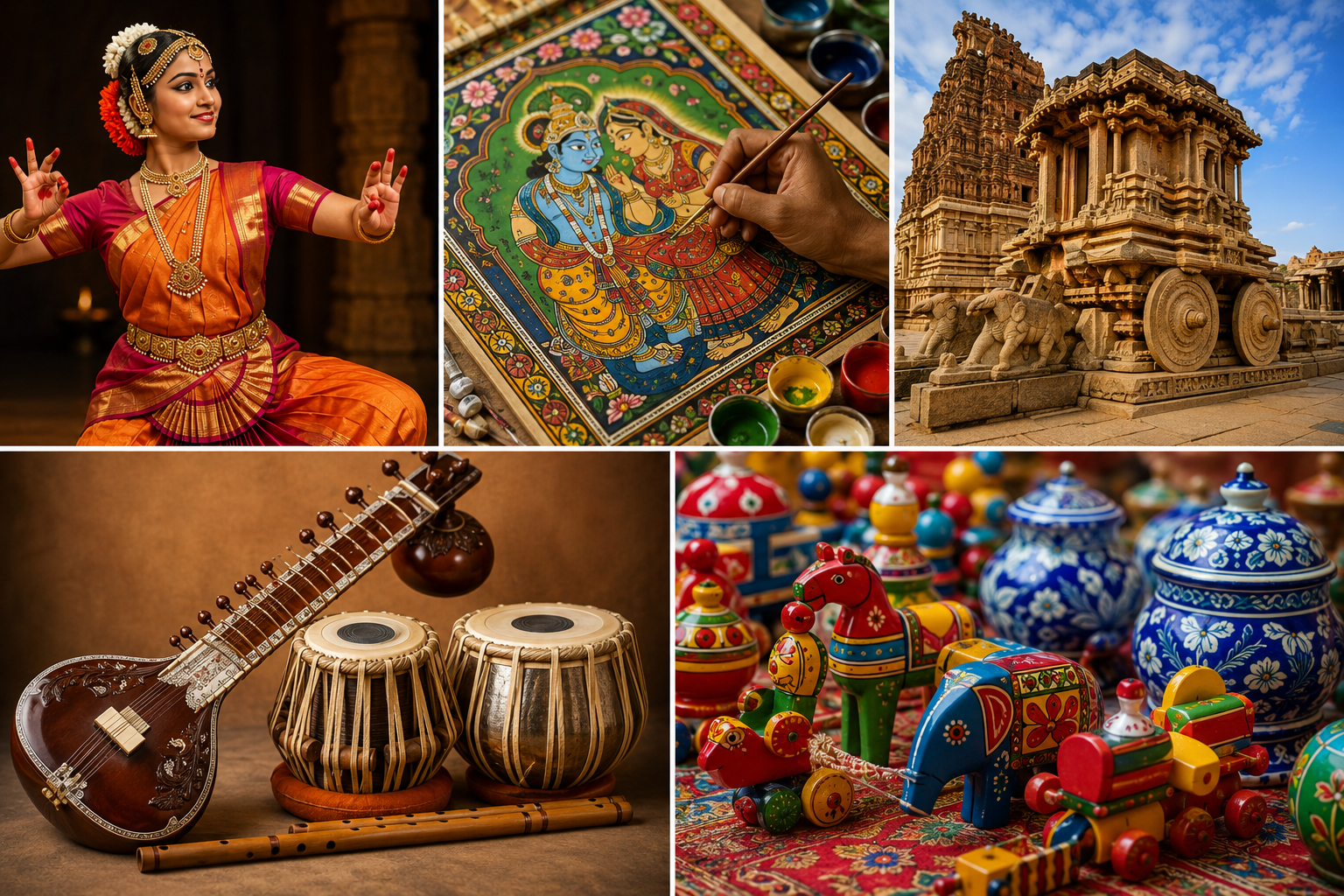
- Indian Classical Dance Forms
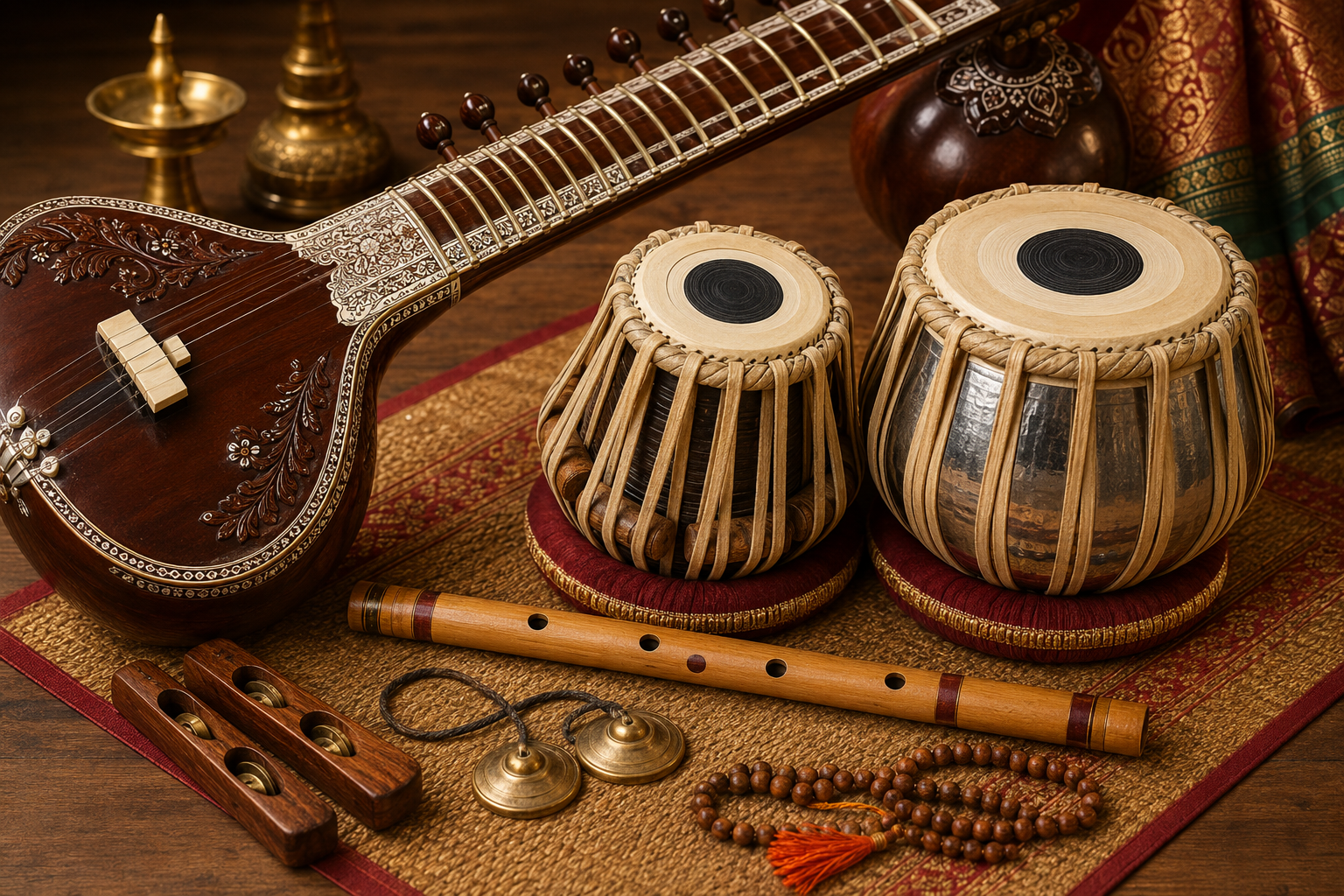
- Indian Classical and Folk Music
- Indian Paintings and Sculpture
- Temple Architecture
- Buddhism and Jainism
- Literature and Philosophy
- UNESCO World Heritage Sites
- UNESCO Intangible Cultural Heritage
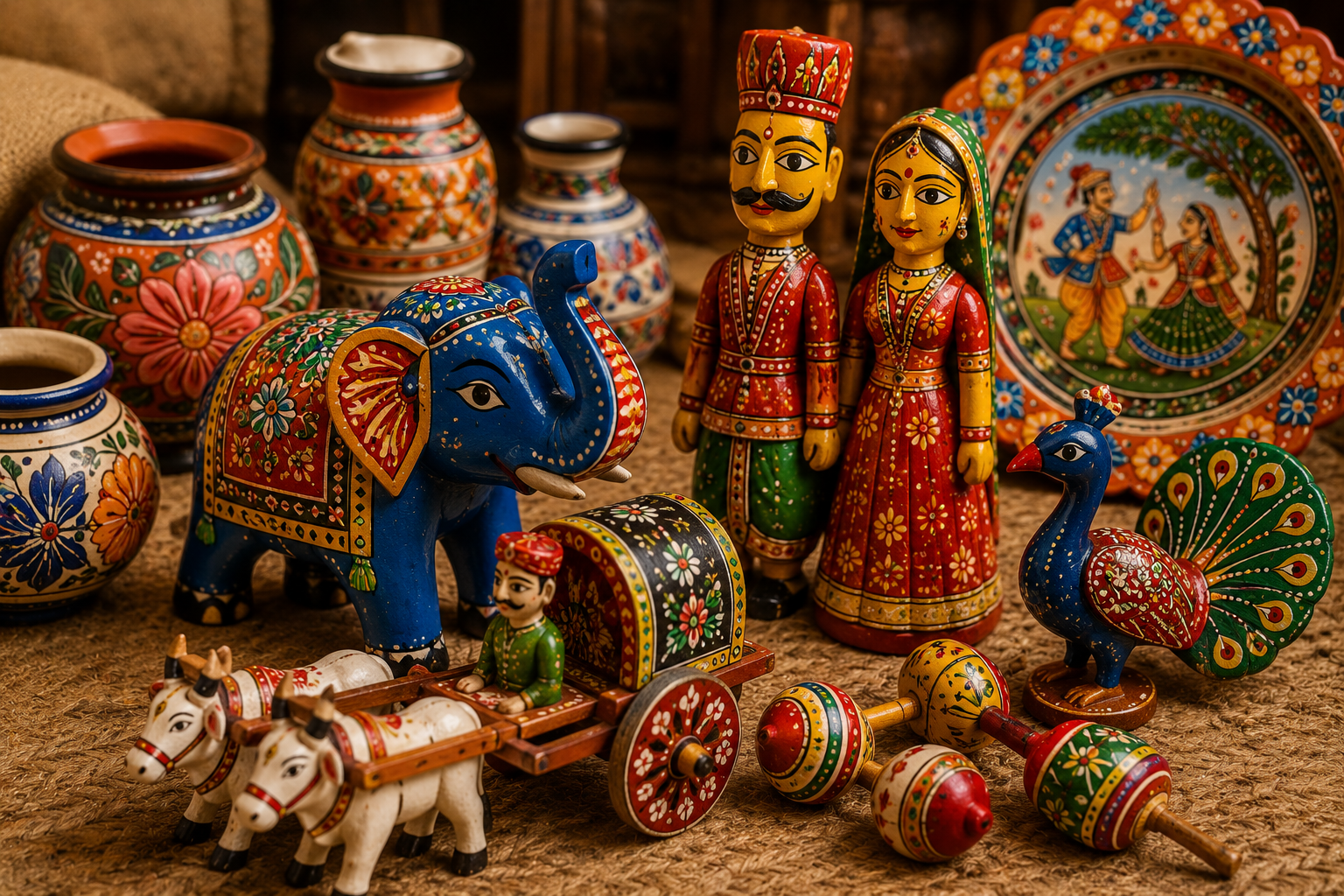
- GI Tags and Handicrafts
- Fairs and Festivals
- Theatre, Puppetry and Martial Arts
- Cultural Institutions and Government Initiatives
- Previous Year UPSC and PCS-based Concepts
Whether you are preparing for UPSC Prelims 2027, UPPCS Prelims 2026, BPSC, MPPSC, RPSC, UKPSC, JPSC, or other State PCS examinations, this comprehensive MCQ practice set will help you revise the entire Art & Culture syllabus in a structured and exam-oriented manner.
Now, begin your preparation with Section 1, which focuses on the Fundamentals of Indian Art & Culture, Classical Dance Forms, Classical Music, and Cultural Heritage.
Section 1: Fundamentals of Indian Art & Culture, Classical Dance & Classical Music (Questions 1–20)
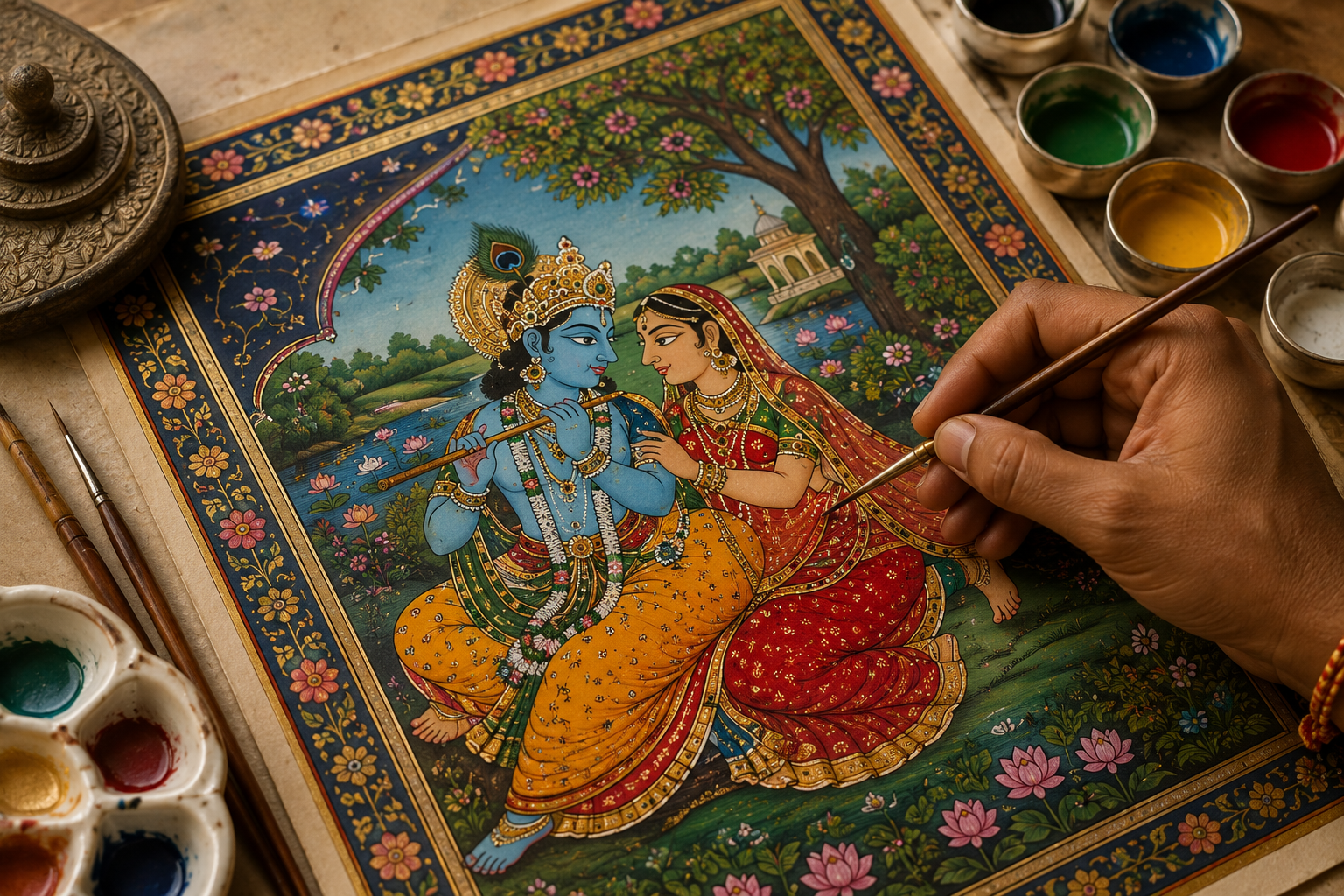
The following Art & Culture MCQs UPPCS Prelims 2026 cover Indian classical dance forms, music, and cultural heritage that are frequently asked in competitive examinations.
Q1. Which of the following is regarded as the oldest surviving classical dance form of India?
A. Kathak
B. Bharatanatyam
C. Odissi
D. Kuchipudi
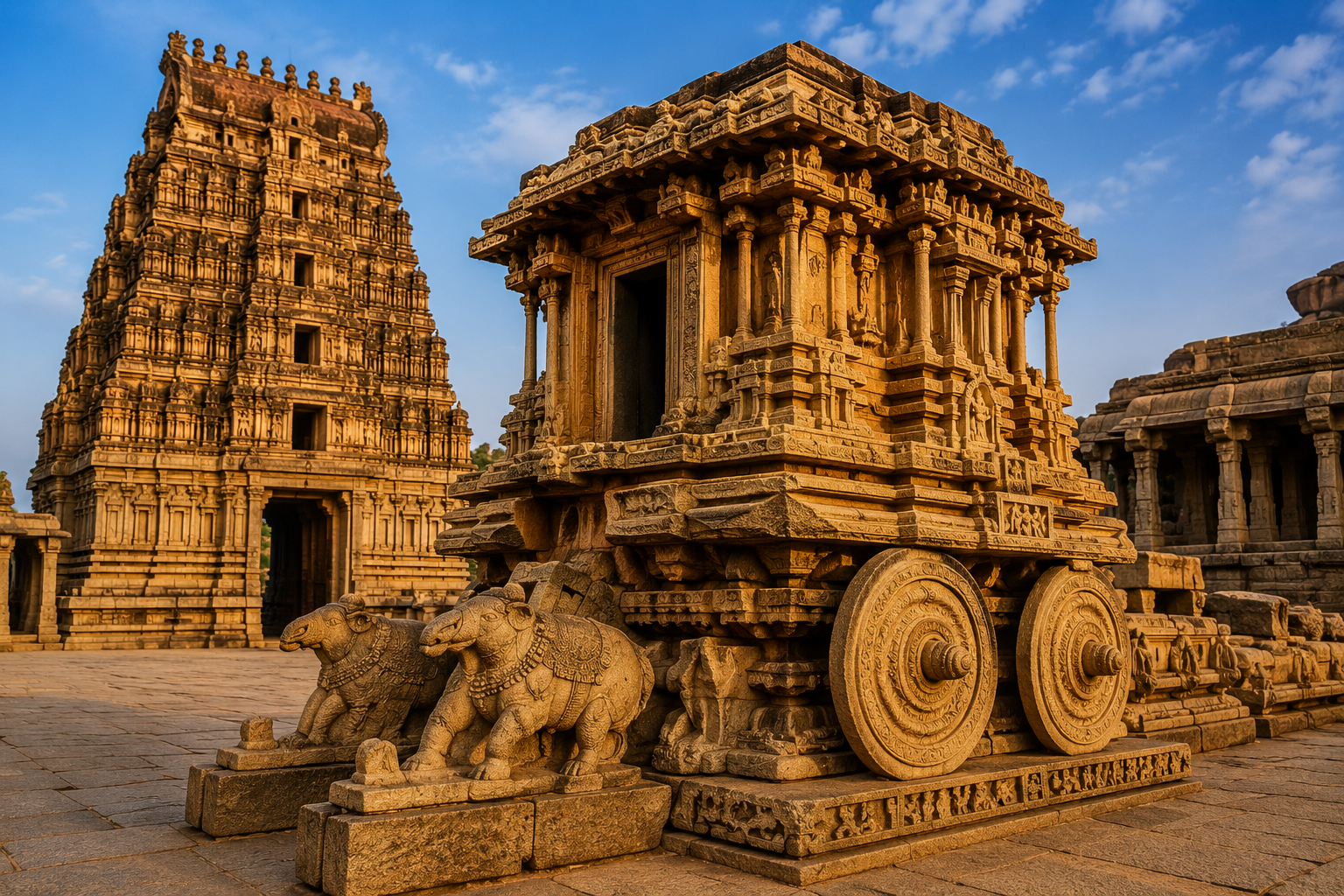
Q2. Bharatanatyam originated in which Indian state?
A. Kerala
B. Karnataka
C. Tamil Nadu
D. Andhra Pradesh
Q3. Which classical dance form is traditionally associated with the storytelling of Lord Krishna in North India?
A. Kathak
B. Mohiniyattam
C. Sattriya
D. Manipuri
Q4. Kuchipudi is primarily associated with which state?
A. Odisha
B. Andhra Pradesh
C. Tamil Nadu
D. Assam
Q5. Sattriya dance originated in:
A. Assam
B. West Bengal
C. Odisha
D. Tripura
Q6. Which among the following is NOT recognized as a classical dance by the Government of India?
A. Chhau
B. Bharatanatyam
C. Kathakali
D. Manipuri
Q7. Mohiniyattam is traditionally performed in:
A. Kerala
B. Karnataka
C. Tamil Nadu
D. Goa
Q8. The famous dance-drama Kathakali belongs to:
A. Tamil Nadu
B. Andhra Pradesh
C. Kerala
D. Odisha
Q9. Odissi dance originated from:
A. Bihar
B. Odisha
C. Chhattisgarh
D. Jharkhand
Q10. Which classical dance form is closely associated with Vaishnavism and the Ras Leela tradition?
A. Manipuri
B. Kathakali
C. Bharatanatyam
D. Chhau
Q11. The two major traditions of Indian classical music are:
A. Carnatic and Hindustani
B. Hindustani and Folk
C. Carnatic and Tribal
D. Folk and Devotional
Q12. Carnatic music flourished mainly in:
A. North India
B. South India
C. Eastern India
D. Western India
Q13. Hindustani classical music mainly developed under the influence of:
A. Mughal courts
B. Portuguese rulers
C. British administration
D. French settlements
Q14. The instrument ‘Veena’ is primarily associated with:
A. Carnatic Music
B. Hindustani Music only
C. Folk Music only
D. Military Music
Q15. Which saint is popularly known as the “Father of Carnatic Music”?
A. Tansen
B. Purandara Dasa
C. Tyagaraja
D. Swami HaridasQ16. Tansen was one of the Navratnas in the court of:
A. Chandragupta II
B. Akbar
C. Shah Jahan
D. Aurangzeb
Q17. The Natya Shastra was written by:
A. Kalidasa
B. Bharata Muni
C. Panini
D. Patanjali
Q18. The Natya Shastra mainly deals with:
A. Astronomy
B. Performing Arts
C. Ayurveda
D. Architecture
Q19. Which of the following institutions works for the preservation and promotion of Indian cultural heritage?
A. Sahitya Akademi
B. Lalit Kala Akademi
C. Sangeet Natak Akademi
D. All of the Above
Q20. UNESCO’s Representative List of the Intangible Cultural Heritage primarily aims to:
A. Protect wildlife habitats
B. Preserve living cultural traditions
C. Promote industrial development
D. Encourage tourism projects only
Answers and Explanations (Questions1-20)of Top 100 Art & Culture MCQs
1. B — Bharatanatyam
Bharatanatyam is regarded as one of India’s oldest surviving classical dance traditions and originated in the temples of Tamil Nadu.
2. C — Tamil Nadu
Bharatanatyam evolved from the ancient temple dance tradition known as Sadir in Tamil Nadu.
3. A — Kathak
Kathak developed in North India and is closely associated with storytelling traditions based on Lord Krishna’s life.
4. B — Andhra Pradesh
Kuchipudi originated in the village of Kuchipudi in Andhra Pradesh and combines dance with drama.
5. A — Assam
Sattriya was introduced by the Vaishnavite saint Srimanta Sankardeva and is recognized as one of India’s classical dances.
6. A — Chhau
Although Chhau is a famous traditional dance form and UNESCO-recognized heritage, it is generally classified as a folk/tribal dance rather than one of the eight officially recognized classical dance forms.
7. A — Kerala
Mohiniyattam is the graceful classical dance tradition of Kerala and is traditionally performed by women.
8. C — Kerala
Kathakali is a highly stylized dance-drama known for elaborate costumes, facial expressions, and makeup.
9. B — Odisha
Odissi originated from the ancient temples of Odisha and is famous for its Tribhanga posture.
10. A — Manipuri
Manipuri dance is deeply connected with Vaishnavism and depicts the Ras Leela of Lord Krishna.
11. A — Carnatic and Hindustani
These are the two principal systems of Indian classical music.
12. B — South India
Carnatic music developed primarily in the southern states of India.
13. A — Mughal courts
Hindustani music evolved significantly under the patronage of the Delhi Sultanate and Mughal rulers.
14. A — Carnatic Music
The Veena is one of the oldest and most respected instruments in Carnatic classical music.
15. B — Purandara Dasa
Purandara Dasa standardized teaching methods and is known as the Father of Carnatic Music.
16. B — Akbar
Miyan Tansen was among the nine jewels (Navratnas) in Emperor Akbar’s court.
17. B — Bharata Muni
Bharata Muni authored the Natya Shastra, the foundational text on Indian performing arts.
18. B — Performing Arts
The Natya Shastra discusses drama, dance, music, stagecraft, acting, and aesthetics.
19. D — All of the Above
Sahitya Akademi, Lalit Kala Akademi, and Sangeet Natak Akademi all promote different aspects of India’s cultural heritage.
20. B — Preserve living cultural traditions
UNESCO’s Intangible Cultural Heritage List aims to safeguard traditions, performing arts, rituals, craftsmanship, and cultural practices for future generations.
Section 2: Indian Architecture, Sculpture, Paintings & UNESCO Heritage (Questions 21–40)
These Art & Culture MCQs UPPCS Prelims 2026 focus on Indian architecture, paintings, sculpture, and UNESCO World Heritage Sites.
Q21. Which of the following is the earliest surviving Buddhist stupa in India?
A. Sanchi Stupa
B. Dhamek Stupa
C. Amaravati Stupa
D. Piprahwa Stupa
Q22. The Great Stupa at Sanchi was originally commissioned by:
A. Chandragupta Maurya
B. Ashoka
C. Samudragupta
D. Harsha
Q23. The Ajanta Caves are primarily famous for their:
A. Jain sculptures
B. Buddhist paintings
C. Hindu temples
D. Mughal architecture
Q24. The Ellora Caves are unique because they contain:
A. Only Buddhist monuments
B. Only Jain monuments
C. Buddhist, Hindu and Jain monuments
D. Only Hindu temples
Q25. The Kailasa Temple at Ellora was built by the:
A. Cholas
B. Rashtrakutas
C. Guptas
D. Mauryas
Q26. Which temple is popularly known as the “Black Pagoda”?
A. Brihadeeswara Temple
B. Konark Sun Temple
C. Lingaraja Temple
D. Jagannath Temple
Q27. Brihadeeswara Temple is located in:
A. Madurai
B. Thanjavur
C. Mysuru
D. Hyderabad
Q28. The Khajuraho Group of Monuments was built mainly by the:
A. Cholas
B. Chandelas
C. Pallavas
D. Hoysalas
Q29. The Dilwara Temples are famous examples of:
A. Buddhist Architecture
B. Jain Architecture
C. Mughal Architecture
D. Indo-Islamic Architecture
Q30. The Shore Temple is situated at:
A. Mahabalipuram
B. Pattadakal
C. Badami
D. Belur
Q31. The famous “Lion Capital of Ashoka” was discovered at:
A. Sanchi
B. Sarnath
C. Bodh Gaya
D. Nalanda
Q32. The National Emblem of India is adopted from:
A. Ashokan Pillar at Vaishali
B. Lion Capital of Sarnath
C. Gateway of India
D. Iron Pillar of Delhi
Q33. Madhubani painting originated in:
A. Bihar
B. Rajasthan
C. Gujarat
D. Odisha
Q34. Warli painting is traditionally associated with:
A. Maharashtra
B. Karnataka
C. Assam
D. Uttar Pradesh
Q35. Kalamkari art is mainly associated with:
A. Andhra Pradesh
B. Punjab
C. Bihar
D. Kerala
Q36. Pattachitra painting is famous in:
A. Odisha
B. Gujarat
C. Haryana
D. Goa
Q37. Which of the following UNESCO World Heritage Sites is located in Bihar?
A. Konark Sun Temple
B. Mahabodhi Temple Complex, Bodh Gaya
C. Ajanta Caves
D. Hampi
Q38. Hampi was the capital of the:
A. Chola Empire
B. Vijayanagara Empire
C. Gupta Empire
D. Maurya Empire
Q39. Which UNESCO World Heritage Site is famous for its rock-cut Buddhist monasteries and paintings?
A. Elephanta Caves
B. Ajanta Caves
C. Pattadakal
D. Mahabalipuram
Q40. Which of the following is NOT a UNESCO World Heritage Site?
A. Rani ki Vav
B. Cellular Jail
C. Great Living Chola Temples
D. Kaziranga National Park
Answers and Explanations (Questions 21–40)of Top 100 Art & Culture MCQs
21. A — Sanchi Stupa
The Great Stupa at Sanchi is the oldest surviving Buddhist stupa and an outstanding example of early Buddhist architecture.
22. B — Ashoka
Emperor Ashoka commissioned the original brick stupa at Sanchi during the 3rd century BCE after embracing Buddhism.
23. B — Buddhist paintings
Ajanta Caves are renowned worldwide for their exquisite Buddhist murals depicting Jataka tales and the life of Buddha.
24. C — Buddhist, Hindu and Jain monuments
Ellora represents religious harmony by housing monuments belonging to all three faiths.
25. B — Rashtrakutas
The monolithic Kailasa Temple was constructed under the Rashtrakuta king Krishna I and is considered an engineering marvel.
26. B — Konark Sun Temple
The Konark Sun Temple in Odisha is popularly called the “Black Pagoda” because of its dark appearance to sailors.
27. B — Thanjavur
Brihadeeswara Temple, built by Rajaraja Chola I, is located at Thanjavur in Tamil Nadu.
28. B — Chandelas
The Khajuraho temples were constructed by the Chandela rulers between the 10th and 12th centuries.
29. B — Jain Architecture
Dilwara Temples at Mount Abu are celebrated for their intricate white marble carvings and Jain architectural excellence.
30. A — Mahabalipuram
The Shore Temple is one of the earliest structural stone temples built by the Pallavas at Mahabalipuram.
31. B — Sarnath
The Lion Capital was erected by Emperor Ashoka at Sarnath, where Buddha delivered his first sermon.
32. B — Lion Capital of Sarnath
India adopted the Lion Capital of Ashoka at Sarnath as its National Emblem in 1950.
33. A — Bihar
Madhubani (Mithila) painting originated in the Mithila region of Bihar and is known for vibrant colors and traditional themes.
34. A — Maharashtra
Warli painting is a tribal folk art traditionally practiced by the Warli community of Maharashtra.
35. A — Andhra Pradesh
Kalamkari is a famous hand-painted and block-printed textile art of Andhra Pradesh and Telangana.
36. A — Odisha
Pattachitra is a traditional cloth-based scroll painting closely associated with the Jagannath Temple tradition.
37. B — Mahabodhi Temple Complex, Bodh Gaya
The Mahabodhi Temple marks the place where Gautama Buddha attained enlightenment and is a UNESCO World Heritage Site.
38. B — Vijayanagara Empire
Hampi served as the magnificent capital of the Vijayanagara Empire and is now a UNESCO World Heritage Site.
39. B — Ajanta Caves
Ajanta is internationally renowned for its Buddhist cave monasteries and exceptional mural paintings.
40. B — Cellular Jail
Although historically significant, the Cellular Jail is not included in UNESCO’s World Heritage List, whereas the other three sites are UNESCO World Heritage Sites.
For the latest list of UNESCO World Heritage Sites and Intangible Cultural Heritage, visit the UNESCO World Heritage Centre official website.
Section 3: Indian Literature, Religion, Philosophy, Fairs & Festivals (Questions 41–60)
Practice these Art & Culture MCQs UPPCS Prelims 2026 to strengthen your knowledge of Indian literature, philosophy, religions, fairs, and festivals.
Q41. The four Vedas are:
A. Rigveda, Samaveda, Yajurveda and Atharvaveda
B. Rigveda, Ramayana, Mahabharata and Atharvaveda
C. Samaveda, Upanishads, Puranas and Rigveda
D. Rigveda, Arthashastra, Yajurveda and Atharvaveda
Q42. Which Veda is primarily associated with music and chants?
A. Rigveda
B. Samaveda
C. Yajurveda
D. Atharvaveda
Q43. The Upanishads are mainly concerned with:
A. Warfare
B. Trade and Commerce
C. Philosophical knowledge and spiritual inquiry
D. Temple Architecture
Q44. The Ramayana was composed by:
A. Ved Vyasa
B. Kalidasa
C. Valmiki
D. Banabhatta
Q45. The Mahabharata is traditionally attributed to:
A. Kalhana
B. Ved Vyasa
C. Bharata Muni
D. Chanakya
Q46. Which of the following is known as the “Fifth Veda”?
A. Natya Shastra
B. Arthashastra
C. Manusmriti
D. Ashtadhyayi
Q47. Who wrote the Sanskrit drama Abhijnanasakuntalam?
A. Banabhatta
B. Kalidasa
C. Panini
D. Vishakhadatta
Q48. The famous Sanskrit grammar Ashtadhyayi was written by:
A. Patanjali
B. Panini
C. Kalidasa
D. Bharata Muni
Q49. Which religion was founded by Mahavira?
A. Buddhism
B. Sikhism
C. Jainism
D. Ajivika
Q50. Gautama Buddha attained enlightenment at:
A. Sarnath
B. Kushinagar
C. Bodh Gaya
D. Rajgir
Q51. The first sermon of Buddha was delivered at:
A. Bodh Gaya
B. Sarnath
C. Nalanda
D. Vaishali
Q52. Which Buddhist council was held during the reign of Emperor Ashoka?
A. First Council
B. Second Council
C. Third Council
D. Fourth Council
Q53. The Kumbh Mela is celebrated primarily at how many locations?
A. Two
B. Three
C. Four
D. Five
Q54. Which city hosts the famous Pushkar Fair?
A. Jaipur
B. Jodhpur
C. Pushkar
D. Udaipur
Q55. Hornbill Festival is celebrated in:
A. Mizoram
B. Meghalaya
C. Nagaland
D. Manipur
Q56. Losar Festival is mainly associated with:
A. Ladakh and Tibetan Buddhism
B. Gujarat
C. Kerala
D. Odisha
Q57. Which festival is celebrated as the harvest festival of Assam?
A. Pongal
B. Bihu
C. Onam
D. Lohri
Q58. Onam is the famous festival of:
A. Karnataka
B. Tamil Nadu
C. Kerala
D. Andhra Pradesh
Q59. Which of the following is recognized by UNESCO as an Intangible Cultural Heritage of Humanity?
A. Kumbh Mela
B. Goa Carnival
C. Durga Puja of Kolkata
D. Both A and C
Q60. The Sahitya Akademi primarily promotes:
A. Classical Dance
B. Indian Literature and Languages
C. Sculpture
D. Architecture
Answers and Explanations (Questions 41–60)of Top 100 Art & Culture MCQs
41. A — Rigveda, Samaveda, Yajurveda and Atharvaveda
These four Vedas are the oldest sacred scriptures of Hinduism and form the foundation of Vedic literature.
42. B — Samaveda
Samaveda consists mainly of musical hymns and is regarded as the origin of Indian classical music traditions.
43. C — Philosophical knowledge and spiritual inquiry
The Upanishads explore concepts such as Brahman, Atman, karma, moksha, and the nature of reality.
44. C — Valmiki
Maharishi Valmiki is traditionally revered as the author of the Sanskrit epic Ramayana.
45. B — Ved Vyasa
Ved Vyasa composed the Mahabharata, the world’s longest epic, containing the Bhagavad Gita.
46. A — Natya Shastra
The Natya Shastra is often called the “Fifth Veda” because it integrates drama, dance, and music into a comprehensive treatise.
47. B — Kalidasa
Kalidasa’s Abhijnanasakuntalam is one of the greatest masterpieces of classical Sanskrit literature.
48. B — Panini
Panini’s Ashtadhyayi is considered one of the most scientific works on grammar in the ancient world.
49. C — Jainism
Lord Mahavira was the 24th Tirthankara who propagated and organized Jainism.
50. C — Bodh Gaya
Buddha attained enlightenment under the Bodhi Tree at Bodh Gaya in present-day Bihar.
51. B — Sarnath
Buddha delivered his first sermon at Sarnath, known as the “Dharmachakra Pravartana.”
52. C — Third Council
The Third Buddhist Council was convened at Pataliputra under Emperor Ashoka to purify and strengthen the Buddhist Sangha.
53. C — Four
The Kumbh Mela rotates among Prayagraj, Haridwar, Ujjain, and Nashik.
54. C — Pushkar
Pushkar Fair, held in Rajasthan, is one of the world’s largest camel and livestock fairs.
55. C — Nagaland
Hornbill Festival showcases the cultural heritage, tribal traditions, and folk arts of Nagaland.
56. A — Ladakh and Tibetan Buddhism
Losar marks the Tibetan New Year and is celebrated in Ladakh, Himachal Pradesh, Sikkim, and other Himalayan regions.
57. B — Bihu
Bihu represents the major agricultural festival of Assam and includes Rongali, Bhogali, and Kongali Bihu.
58. C — Kerala
Onam celebrates the legendary King Mahabali and is Kerala’s most important harvest festival.
59. D — Both A and C
Both Kumbh Mela and Durga Puja of Kolkata are inscribed on UNESCO’s Representative List of the Intangible Cultural Heritage of Humanity.
60. B — Indian Literature and Languages
Sahitya Akademi is India’s National Academy of Letters, promoting literature in 24 recognized Indian languages.
Section 4: Indian Folk Arts, Puppetry, Martial Arts, Handicrafts & GI Tags (Questions 61–80)
This section of Art & Culture MCQs UPPCS Prelims 2026 covers folk arts, puppetry, martial arts, handicrafts, and important GI-tag products.
Q61. Which of the following is a famous shadow puppetry tradition of Andhra Pradesh?
A. Kathputli
B. Tholu Bommalata
C. Putul Nach
D. Pavakoothu
Q62. Kathputli is the traditional string puppet theatre of:
A. Gujarat
B. Rajasthan
C. Odisha
D. Karnataka
Q63. Pavakoothu is a traditional shadow puppet theatre associated with:
A. Kerala
B. Tamil Nadu
C. Assam
D. Maharashtra
Q64. Which folk theatre form is traditionally associated with Karnataka?
A. Yakshagana
B. Nautanki
C. Tamasha
D. Jatra
Q65. Jatra is a popular folk theatre tradition of:
A. Punjab
B. West Bengal
C. Gujarat
D. Rajasthan
Q66. Nautanki originated mainly in:
A. Uttar Pradesh
B. Odisha
C. Kerala
D. Assam
Q67. Tamasha is a famous folk theatre form of:
A. Maharashtra
B. Bihar
C. Tamil Nadu
D. Punjab
Q68. Which martial art originated in Kerala?
A. Gatka
B. Thang-Ta
C. Kalaripayattu
D. Silambam
Q69. Thang-Ta is the traditional martial art of:
A. Nagaland
B. Manipur
C. Assam
D. Meghalaya
Q70. Gatka is primarily associated with:
A. Sikh martial tradition
B. Buddhist monks
C. Rajput warriors
D. Maratha soldiers
Q71. Channapatna toys have received the Geographical Indication (GI) tag and belong to:
A. Karnataka
B. Tamil Nadu
C. Kerala
D. Odisha
Q72. Banarasi Silk Saree is a famous GI product of:
A. Madhya Pradesh
B. Uttar Pradesh
C. Bihar
D. Gujarat
Q73. Madhubani Painting has received the GI tag from:
A. Bihar
B. Jharkhand
C. Odisha
D. West Bengal
Q74. Which state is famous for Pashmina Shawls?
A. Himachal Pradesh
B. Jammu & Kashmir
C. Uttarakhand
D. Punjab
Q75. Blue Pottery is traditionally associated with:
A. Jaipur
B. Bhopal
C. Lucknow
D. Mysuru
Q76. Which of the following handicrafts is mainly associated with Kashmir?
A. Bidriware
B. Papier-Mâché
C. Dhokra Art
D. Chikankari
Q77. Dhokra Art is primarily known for:
A. Bronze metal casting
B. Stone carving
C. Textile weaving
D. Pottery
Q78. Chikankari embroidery originated in:
A. Lucknow
B. Patna
C. Jaipur
D. Indore
Q79. Bidriware is a famous metal handicraft of:
A. Bidar (Karnataka)
B. Hyderabad
C. Mysuru
D. Pune
Q80. Which organization promotes India’s handicrafts and handloom sector at the national level?
A. Archaeological Survey of India (ASI)
B. Development Commissioner (Handicrafts)
C. Election Commission of India
D. NITI Aayog
Top 100 Art & Culture MCQs :Answers and Explanations (Questions 61–80)
61. B — Tholu Bommalata
Tholu Bommalata is the famous leather shadow puppetry tradition of Andhra Pradesh and Telangana.
62. B — Rajasthan
Kathputli is Rajasthan’s traditional string puppet theatre performed by the Bhat community.
63. A — Kerala
Pavakoothu is the shadow puppetry tradition of Kerala, especially performed during temple festivals.
64. A — Yakshagana
Yakshagana is Karnataka’s famous dance-drama combining music, dialogue, costumes, and mythology.
65. B — West Bengal
Jatra is a popular open-air folk theatre form of West Bengal, Odisha, and Bangladesh.
66. A — Uttar Pradesh
Nautanki is one of North India’s most popular folk theatre traditions, especially in Uttar Pradesh.
67. A — Maharashtra
Tamasha combines dance, music, and drama and remains one of Maharashtra’s major folk theatre traditions.
68. C — Kalaripayattu
Kalaripayattu is regarded as one of the world’s oldest martial arts and originated in Kerala.
69. B — Manipur
Thang-Ta is the traditional martial art of Manipur involving swords and spears.
70. A — Sikh martial tradition
Gatka developed among the Sikh community and is closely associated with Sikh military traditions.
71. A — Karnataka
Channapatna is known as the “Toy Town of Karnataka” and its wooden toys enjoy GI protection.
72. B — Uttar Pradesh
Banarasi Silk Sarees from Varanasi are globally renowned for their weaving tradition and GI recognition.
73. A — Bihar
Madhubani (Mithila) Painting from Bihar has received GI status for preserving its unique folk art tradition.
74. B — Jammu & Kashmir
Pashmina shawls are handcrafted from the fine wool of Changthangi goats and are internationally famous.
75. A — Jaipur
Jaipur Blue Pottery is distinguished by its vibrant blue glaze and Persian-inspired designs.
76. B — Papier-Mâché
Kashmir is famous for its beautifully decorated Papier-Mâché handicrafts.
77. A — Bronze metal casting
Dhokra Art uses the ancient lost-wax casting technique to create bronze sculptures and decorative items.
78. A — Lucknow
Chikankari is the world-famous white thread embroidery tradition of Lucknow in Uttar Pradesh.
79. A — Bidar (Karnataka)
Bidriware is an exquisite black metal craft inlaid with silver and originated in Bidar.
80. B — Development Commissioner (Handicrafts)
The Development Commissioner (Handicrafts), under the Ministry of Textiles, promotes and develops India’s handicrafts sector through training, marketing, and artisan support.
Section 5: UNESCO, Cultural Institutions, Important Personalities & Miscellaneous Art & Culture (Questions 81–100)
The final section of Art & Culture MCQs UPPCS Prelims 2026 includes UNESCO, cultural institutions, important personalities, and miscellaneous questions.
Q81. Which Indian city has been designated as a UNESCO Creative City in the field of Music?
A. Varanasi
B. Jaipur
C. Ahmedabad
D. Lucknow
Q82. Jaipur has been recognized by UNESCO as a Creative City in the field of:
A. Crafts and Folk Arts
B. Music
C. Literature
D. Gastronomy
Q83. Which Indian city became India’s first UNESCO World Heritage City?
A. Jaipur
B. Ahmedabad
C. Delhi
D. Varanasi
Q84. Which organization is responsible for the conservation of centrally protected monuments in India?
A. Archaeological Survey of India (ASI)
B. Indian Council of Historical Research (ICHR)
C. National Archives of India
D. Sahitya Akademi
Q85. The Archaeological Survey of India (ASI) functions under the:
A. Ministry of Education
B. Ministry of Culture
C. Ministry of Tourism
D. Ministry of Home Affairs
Q86. Which institution promotes Indian visual arts, including painting and sculpture?
A. Lalit Kala Akademi
B. Sangeet Natak Akademi
C. Sahitya Akademi
D. IGNCA
Q87. The Sangeet Natak Akademi is associated with the promotion of:
A. Literature
B. Dance, Drama and Music
C. Science
D. Architecture
Q88. Sahitya Akademi is India’s National Academy of:
A. Architecture
B. Literature
C. Painting
D. Sculpture
Q89. Indira Gandhi National Centre for the Arts (IGNCA) is located in:
A. Mumbai
B. Chennai
C. New Delhi
D. Bengaluru
Q90. Which famous musician is popularly known as the “Sitar Maestro”?
A. Zakir Hussain
B. Ravi Shankar
C. Bismillah Khan
D. Hariprasad Chaurasia
Q91. Ustad Bismillah Khan was internationally famous for playing the:
A. Tabla
B. Veena
C. Shehnai
D. Santoor
Q92. Pandit Hariprasad Chaurasia is associated with:
A. Flute
B. Sarod
C. Violin
D. Tabla
Q93. Ustad Zakir Hussain is renowned for playing the:
A. Tabla
B. Sitar
C. Sarangi
D. Santoor
Q94. M.S. Subbulakshmi was one of India’s greatest:
A. Bharatanatyam dancers
B. Carnatic vocalists
C. Kathak dancers
D. Folk singers
Q95. Which of the following classical dance forms originated in Odisha?
A. Kathak
B. Bharatanatyam
C. Odissi
D. Mohiniyattam
Q96. Which classical dance form is traditionally performed by monks in Assam?
A. Manipuri
B. Sattriya
C. Kathakali
D. Kuchipudi
Q97. The Konark Dance Festival is celebrated in the state of:
A. Tamil Nadu
B. Odisha
C. Kerala
D. Karnataka
Q98. Which UNESCO World Heritage Site is famous for the annual Dance Festival held against the backdrop of the Shore Temple?
A. Khajuraho
B. Mahabalipuram
C. Pattadakal
D. Hampi
Q99. Which of the following is NOT one of the eight classical dance forms officially recognized by the Government of India?
A. Bharatanatyam
B. Kathak
C. Garba
D. Odissi
Q100. Which statement best describes the importance of Indian Art & Culture for UPSC and State PCS examinations?
A. It is relevant only for the Interview stage.
B. It is asked only in the History optional paper.
C. It is an important component of Prelims, Mains, Essay, and Interview.
D. It is important only for State PCS examinations.
Top 100 Art & Culture MCQs: Answers and Explanations (Questions 81–100)
81. A — Varanasi
Varanasi was recognized by UNESCO as a Creative City in the field of Music because of its rich classical music tradition.
82. A — Crafts and Folk Arts
Jaipur is a UNESCO Creative City for Crafts and Folk Arts due to its exceptional handicrafts and artisan traditions.
83. B — Ahmedabad
Ahmedabad became India’s first UNESCO World Heritage City in 2017.
84. A — Archaeological Survey of India (ASI)
ASI is the premier government organization responsible for protecting and conserving India’s archaeological monuments and heritage sites.
85. B — Ministry of Culture
The Archaeological Survey of India functions under the Ministry of Culture, Government of India.
86. A — Lalit Kala Akademi
Lalit Kala Akademi promotes painting, sculpture, printmaking, ceramics, and other visual arts in India.
87. B — Dance, Drama and Music
Sangeet Natak Akademi is India’s national academy for performing arts.
88. B — Literature
Sahitya Akademi promotes Indian literature in 24 recognized languages.
89. C — New Delhi
IGNCA, headquartered in New Delhi, is dedicated to research, preservation, and promotion of India’s cultural heritage.
90. B — Ravi Shankar
Pandit Ravi Shankar popularized Indian classical sitar music across the world.
91. C — Shehnai
Bharat Ratna Ustad Bismillah Khan elevated the Shehnai to the international concert stage.
92. A — Flute
Pandit Hariprasad Chaurasia is one of the world’s most celebrated flute maestros.
93. A — Tabla
Ustad Zakir Hussain is internationally acclaimed for his mastery of the tabla.
94. B — Carnatic vocalists
M.S. Subbulakshmi was one of India’s greatest Carnatic vocalists and the first musician to receive the Bharat Ratna.
95. C — Odissi
Odissi is the classical dance form of Odisha and is known for its graceful Tribhanga posture.
96. B — Sattriya
Sattriya originated in the Vaishnavite monasteries (Satras) of Assam and was introduced by Srimanta Sankardeva.
97. B — Odisha
The Konark Dance Festival is organized annually near the famous Konark Sun Temple in Odisha.
98. B — Mahabalipuram
The Mahabalipuram Dance Festival is held every year near the UNESCO-listed Shore Temple.
99. C — Garba
Garba is a famous folk dance of Gujarat, whereas Bharatanatyam, Kathak, and Odissi are classical dance forms.
100. C — It is an important component of Prelims, Mains, Essay, and Interview
Indian Art & Culture is an integral part of UPSC and State PCS examinations, making it essential for comprehensive preparation across all stages of the selection process.
Candidates should also download the latest syllabus and examination notifications from the Union Public Service Commission (UPSC) official website to align their preparation with current examination requirements.
Recommended Posts
UPPCS Prelims PYQs: Most Important Guide 2026-27
Uttar Pradesh History for UPPCS Prelims 2026: Important Topics & Facts
UPPCS Prelims Exam Date 2026 Officially Announced: Great News for Aspirants
UPPCS 2026 Prelims Exam Pattern : Latest Syllabus & Marking Scheme Easy Guide
Conclusion: Top 100 Art & Culture MCQs
Indian Art & Culture is one of the highest-scoring subjects in both UPPCS Prelims 2026 and UPSC Prelims 2027. Questions are frequently asked on classical dance forms, music, paintings, architecture, literature, Buddhism, Jainism, UNESCO World Heritage Sites, GI tags, handicrafts, fairs, festivals, and cultural institutions. A conceptual understanding of these topics can significantly improve your Prelims score and strengthen your preparation for Mains and Interview.
This 100 Art & Culture MCQs UPPCS Prelims 2026 and UPSC Prelims 2027 practice set has been designed to provide comprehensive revision through 100 carefully selected questions with detailed explanations. Regular practice of these MCQs will help you identify important themes, improve accuracy, and build confidence before the examination.
For the best results, combine this MCQ practice set with NCERT books, CCRT resources, previous year questions, and regular current affairs revision. Make it a habit to revisit these questions multiple times before the examination to maximize retention and performance.
Regular revision of these Art & Culture MCQs UPPCS Prelims 2026 will help aspirants identify important themes and improve accuracy. We recommend solving these Art & Culture MCQs UPPCS Prelims 2026 multiple times before the examination to maximize retention and confidence.
Frequently Asked Questions (FAQs)
1. Is this 100 Art & Culture MCQs UPPCS Prelims 2026 and UPSC Prelims 2027 practice set useful for both UPSC and State PCS exams?
Yes. This practice set is designed according to the latest UPSC and State PCS examination trends and is useful for UPPCS, BPSC, MPPSC, UKPSC, RPSC, JPSC, and other State Civil Services examinations.
2. Which topics are covered in this Art & Culture MCQ practice set?
The questions cover Indian classical dance forms, music, paintings, architecture, literature, Buddhism, Jainism, UNESCO World Heritage Sites, GI tags, handicrafts, puppetry, folk theatre, fairs, festivals, and cultural institutions.
3. Are these questions based on the latest UPSC syllabus?
Yes. The MCQs are prepared using the latest UPSC CSE and State PCS syllabus, previous year questions (PYQs), NCERTs, CCRT resources, and important current affairs.
4. How should I prepare Art & Culture for UPSC Prelims?
Start with NCERT books and CCRT resources, revise standard reference books, solve previous year questions, and practice topic-wise MCQs regularly to strengthen conceptual understanding.
5. Are explanations provided for every answer?
Yes. Every section includes a detailed answer key with short explanations to help candidates understand the concepts instead of simply memorizing answers.
6. Is this MCQ set enough for UPSC Prelims?
This practice set is an excellent revision resource, but aspirants should also revise NCERTs, standard books, current affairs, and previous year question papers for comprehensive preparation.
After completing these Art & Culture MCQs UPPCS Prelims 2026, you should continue your preparation with the detailed notes and subject-wise guides linked below.
10 thoughts on “Top 100 Art & Culture MCQs UPPCS Prelims 2026 | Complete Practice Set”