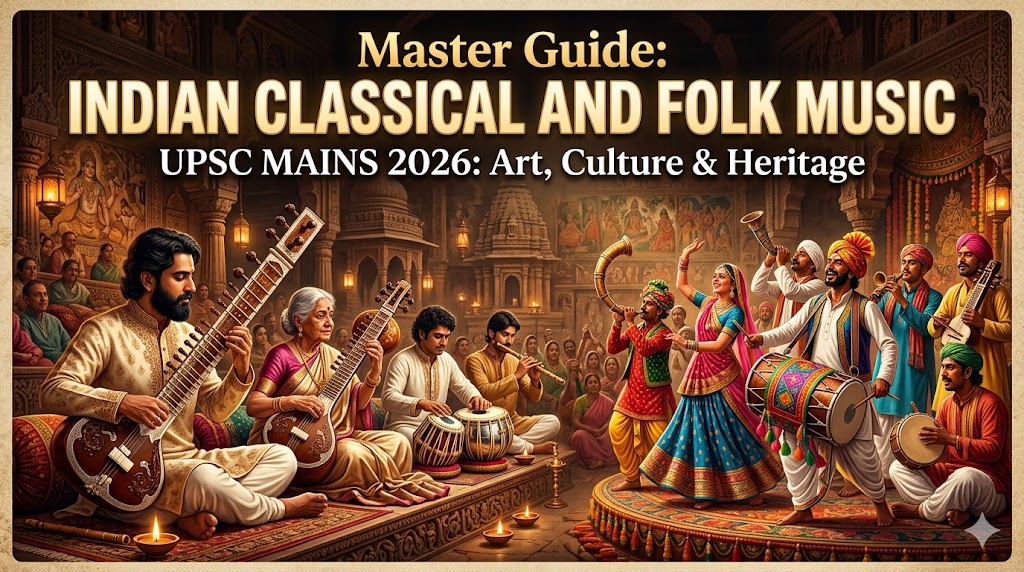
For UPSC Civil Services Examination (CSE) aspirants, Art and Culture is often considered one of the most volatile yet high-yielding sections of General Studies Paper I (GS-1). Within this syllabus, a deep understanding of Indian Classical and Folk Music frequently unlocks high scores in both direct questions and analytical essays.
This comprehensive guide offers a high-yield, ready-to-publish breakdown specifically tailored to meet the analytical demands of the UPSC Mains 2026.
For a complete GS Paper 1 preparation roadmap, explore our article on How to Score 120+ in GS Paper 1.
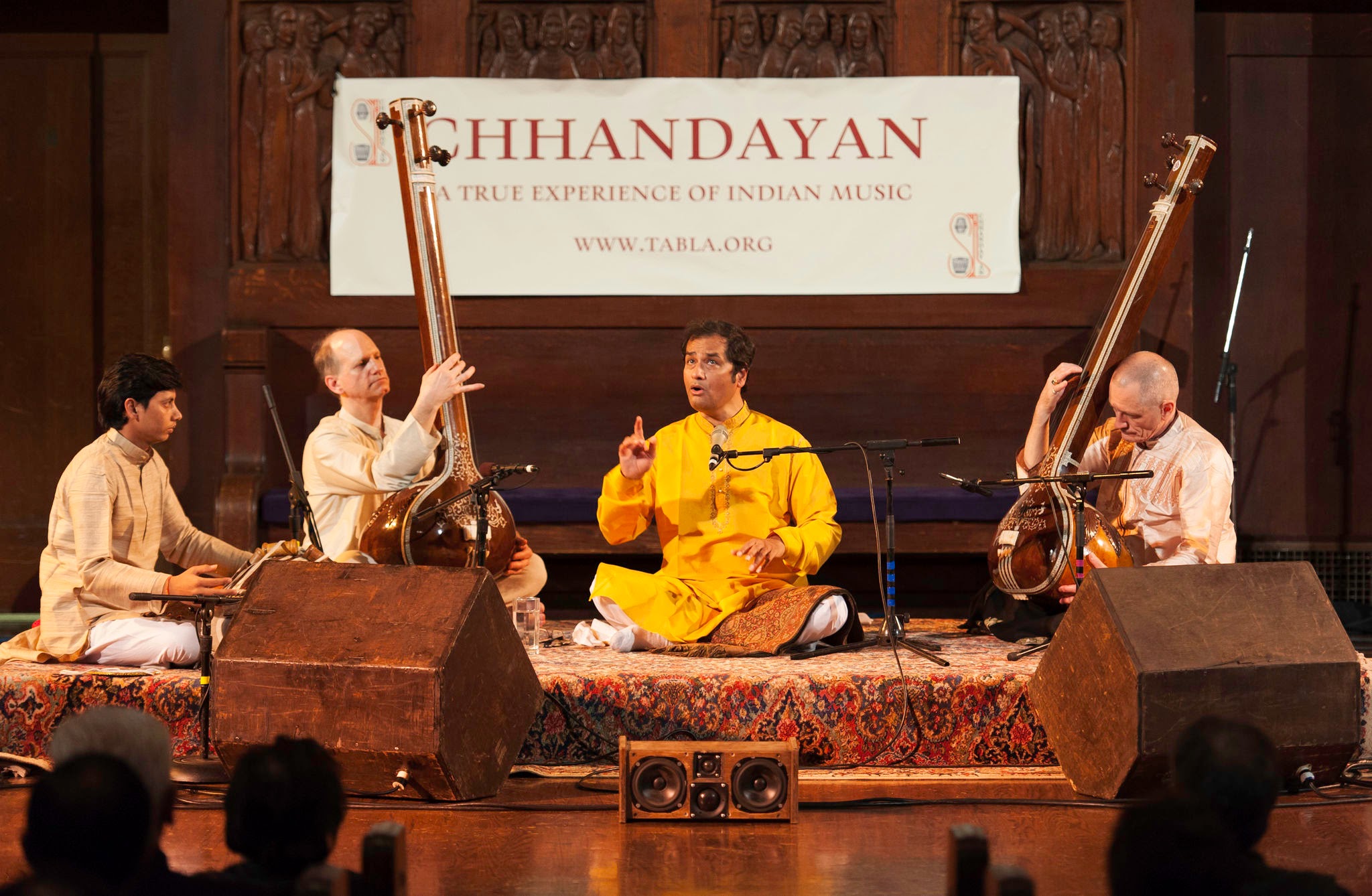
The Core Philosophy of Indian Classical and Folk Music
To write a high-scoring answer in Mains, you must understand that the evolution of Indian Classical and Folk Music is historically rooted in spirituality, regional identity, and philosophy.
Origin: The foundational concepts trace back to the Sama Veda, where hymns were chanted using specific musical notes (swaras). For an authoritative background on textual traditions, refer to the academic profiles hosted on the Ministry of Culture Digital Repository.
The Trinity of Elements:
Raga: The melodic framework that creates a specific emotional aura (Rasa).
Tala: The rhythmic cycle that binds the melody in time.
Shruti: The smallest interval of pitch that the human ear can detect.
Structural Breakdown of Indian Classical and Folk Music: The Classical Stream
Before looking at regional variations, it is vital to note how the classical branch separated from the broader umbrella of Indian Classical and Folk Music around the 13th-14th century CE due to historical and geographical influences.
Hindustani Classical Music (North India)
Highly influenced by Persian and Arab musical traditions due to Islamic rule in Northern India. It places immense emphasis on Improvisation (Gharana System) and is structured around specific time zones of the day (e.g., Raga Bhairavi for morning).
Major Vocal Styles:
Dhrupad: The oldest surviving style. Grand, rigid, and devotional.
Khayal: Literally means “imagination.” Flexible, allowing for intricate ornamentations (taans).
Thumri: A semi-classical, highly romantic, and expressive style.
Carnatic Classical Music (South India)
Relatively untouched by external influences, Carnatic music developed indigenously in Southern India. It is highly structured, deeply devotional (Kriti-based), and places more emphasis on composition than open-ended improvisation.
Indian music forms a significant part of the Art & Culture syllabus. For complete coverage of all cultural topics, refer to our UPSC Mains 2026 GS1 Art and Culture Notes: Complete Study Guide for Success.
Comparative Matrix: Hindustani vs. Carnatic
| Feature | Hindustani Music | Carnatic Music |
| Influence | Indigenous traditions + Persian/Islamic influences. | Purely indigenous (Monolithic). |
| Freedom | Scope for intense improvisation (Gharana style). | Highly structured, strictly adheres to compositions. |
| Instruments | Sitar, Sarod, Tabla, Santoor, Flute. | Veena, Mridangam, Violin, Ghatam. |
| Sub-Styles | Segmented into Gharanas (Gwalior, Agra, Kirana, etc.). | Unified style, no distinct Gharanas. |
While the classical system represents structured sophistication, folk traditions represent the raw pulse of India’s agrarian socio-cultural fabric. When studying Indian Classical and Folk Music, the folk category is where you observe the direct mapping of community life onto art.
Since Bharatanatyam is closely associated with Carnatic music, aspirants should also explore The Ultimate Guide to Bharatanatyam UPSC Notes: Master GS 1 Art & Culture for complete coverage of this classical dance form.
Detailed descriptions of individual instruments can be verified via the official instrument archives maintained by the Sangeet Natak Akademi.
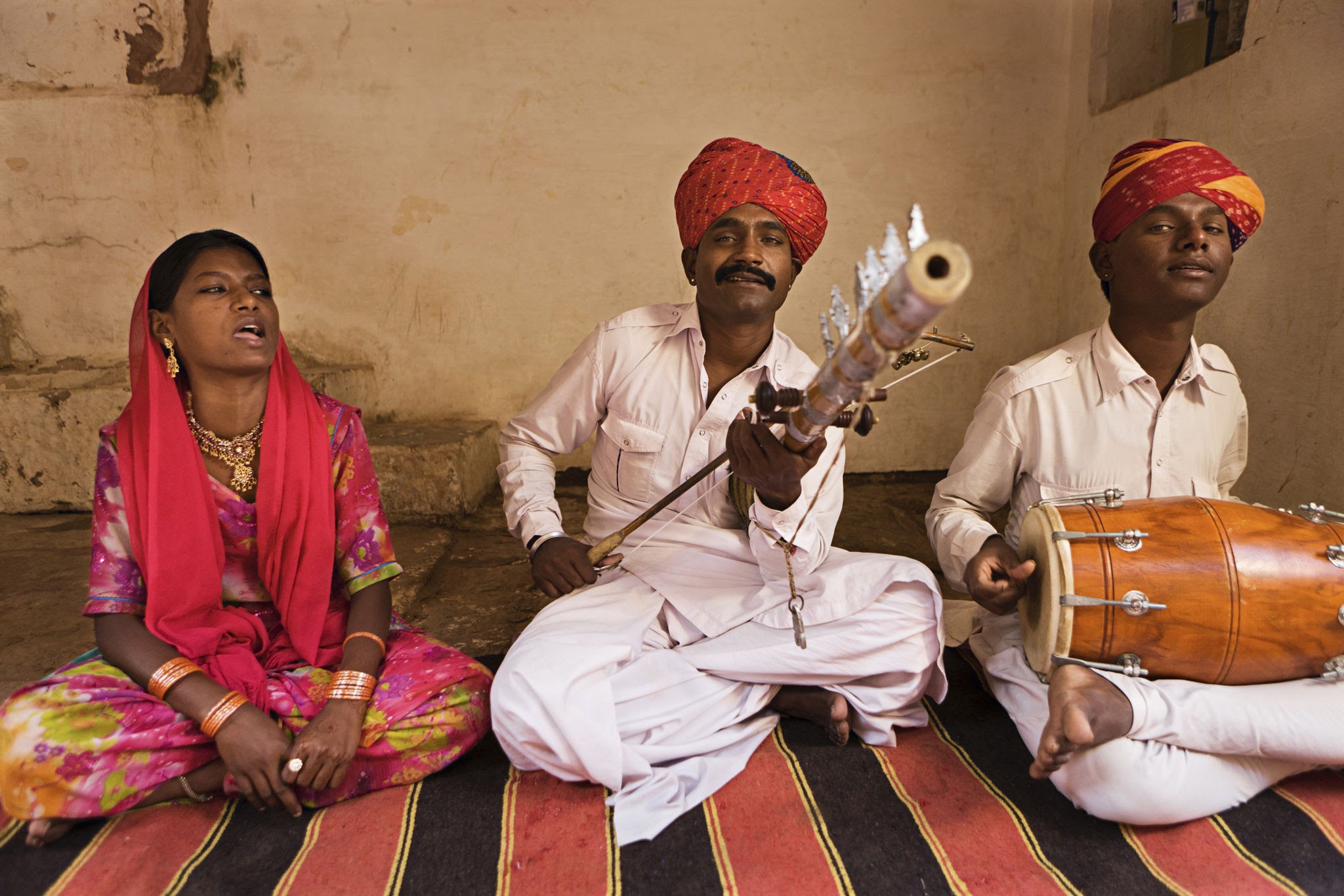
High-Yield Regional Folk Forms
Baul (West Bengal): A religious sect influenced by Bhakti and Sufi movements. Known for its spiritual mysticism and use of the Ektara.
Maand (Rajasthan): Developed in royal courts, it sings of the glory of kings and tragic romances (e.g., Kesariya Balam).
Pandavani (Chhattisgarh): A musical narration of the Mahabharata, made globally famous by Teejan Bai.
Powada (Maharashtra): A ballad style highlighting the heroic deeds of historical rulers like Chhatrapati Shivaji Maharaj.
Bihu Geet (Assam): Sung during the Bihu festival, reflecting the joys of nature, changing seasons, and agriculture.
Analytical Mains Perspectives on Indian Classical and Folk Music
When writing your GS-1 answers, moving past simple rote memorization is essential. Incorporate these cross-cutting analytical dimensions to show a mature understanding of Indian Classical and Folk Music:
The Socio-Cultural Synthesis
Music acted as an exceptional vehicle for communal harmony. The historical evolution of Indian Classical and Folk Music is a living blueprint of the Ganga-Jamuni Tehzeeb. Sufi and Bhakti saints used musical formats to break rigid caste barriers and unite diverse communities.
Royal Patronage vs. Modern Democratization
Historically, classical systems thrived strictly in the royal courts of the Mughals, Marathas, and Vijayanagara kings. In the post-independence era, state institutions (like the Sangeet Natak Akademi) and digital platforms have democratized access, moving these traditions from elite spaces to the masses.
Climate Change and Disappearing Folk Media
Many folk songs are deeply tied to specific agricultural cycles and monsoons (e.g., Kajri in UP/Bihar sung during rains). Shifting climate patterns and rural-to-urban migration threaten the oral transmission of these fragile art forms, making their preservation an ecological and historical necessity.
Sample UPSC Mains Practice Question
Q. “Indian classical music is not just an aesthetic expression but a historical synthesis of diverse cultural encounters.” Evaluate this statement with special reference to the evolution of Hindustani classical music. (15 Marks, 250 Words)
Quick Structural Framework for Your Answer:
Introduction (30-40 words): Define the essence of the country’s musical heritage. Note how Indian Classical and Folk Music emerged from ancient roots before splintering into distinct regional traditions.
Body Paragraph 1 (70-80 words): Detail the “diverse cultural encounters” in North India. Discuss how Persian, Central Asian, and Arab elements integrated with indigenous temple music during the Delhi Sultanate and Mughal eras (e.g., Amir Khusrau introducing Khayal and instruments like the Sitar).
Body Paragraph 2 (70-80 words): Discuss the Gharana system as an architecture of cultural synthesis, where Hindu and Muslim musicians preserved and mutated distinct musical styles across generations (e.g., Gwalior, Kirana).
Conclusion (30-40 words): Summarize by stating that the composite culture of India is perfectly mirrored in its musical landscape, proving that Indian Classical and Folk Music serves as a powerful tool of cultural diplomacy and soft power on the global stage today.
Recommended Posts
- Powerful UPSC Mains 2026 Strategy: Step-by-Step Roadmap for Success
- Indian Art Forms (Dance, Music, Painting) UPSC Mains 2026 GS Paper 1: Ultimate Success Guide
- UPSC Mains 2026 GS Paper 1 Syllabus: Comprehensive Guide
Conclusion
Ultimately, mastering the historical and analytical dimensions of Indian Classical and Folk Music allows UPSC aspirants to write multi-dimensional, high-scoring answers in the GS-1 Paper. By viewing these expressive art forms as dynamic products of cross-cultural synthesis, royal patronage, and community life, you can effectively demonstrate the true depth of India’s cultural heritage. Integrating a thorough study of Indian Classical and Folk Music into your revision schedule ensures you are fully prepared to tackle any unexpected institutional or regional culture questions in Mains 2026.
FAQs
1: What is the primary difference between the classical and folk traditions under the broader umbrella of Indian Classical and Folk Music?
The main difference lies in their structural complexity and social origin. Within Indian Classical and Folk Music, the classical stream (Hindustani and Carnatic) is bound by a strict, formalized grammatical system of Ragas (melodic frameworks) and Talas (rhythmic cycles) that historically required years of institutional training under a Guru. Conversely, the folk stream is spontaneous, oral, uncodified, and community-driven—created by rural communities to celebrate agricultural cycles, seasonal shifts, local legends, and daily socio-cultural rituals.
2: How has historical cross-cultural synthesis shaped the evolution of Indian Classical and Folk Music?
Cross-cultural encounters have fundamentally defined Indian Classical and Folk Music, particularly visible in the evolution of the North Indian Hindustani system. From the 13th century onward, Islamic rule brought Persian, Arab, and Central Asian musical elements into contact with native temple traditions. This interaction led to the creation of new musical genres like Khayal and Qawwali, as well as classical instruments like the Sitar and Sarod, transforming India’s musical legacy into a living blueprint of composite culture.
3: Why does the UPSC syllabus place analytical emphasis on Indian Classical and Folk Music for GS-1 Mains?
The Civil Services Examination values Indian Classical and Folk Music not merely as fine arts, but as dynamic historical mirrors of Indian society. UPSC Mains questions test an applicant’s ability to analyze music through socio-political lenses—such as how the Bhakti and Sufi movements democratized art by breaking caste barriers, how royal court patronage sustained elite art forms, and how modern challenges like rapid urbanization threaten the survival of fragile regional folk art mediums.
10 thoughts on “Master Guide: Indian Classical And Folk Music UPSC Mains 2026 (GS 1)”