🔶 Introduction
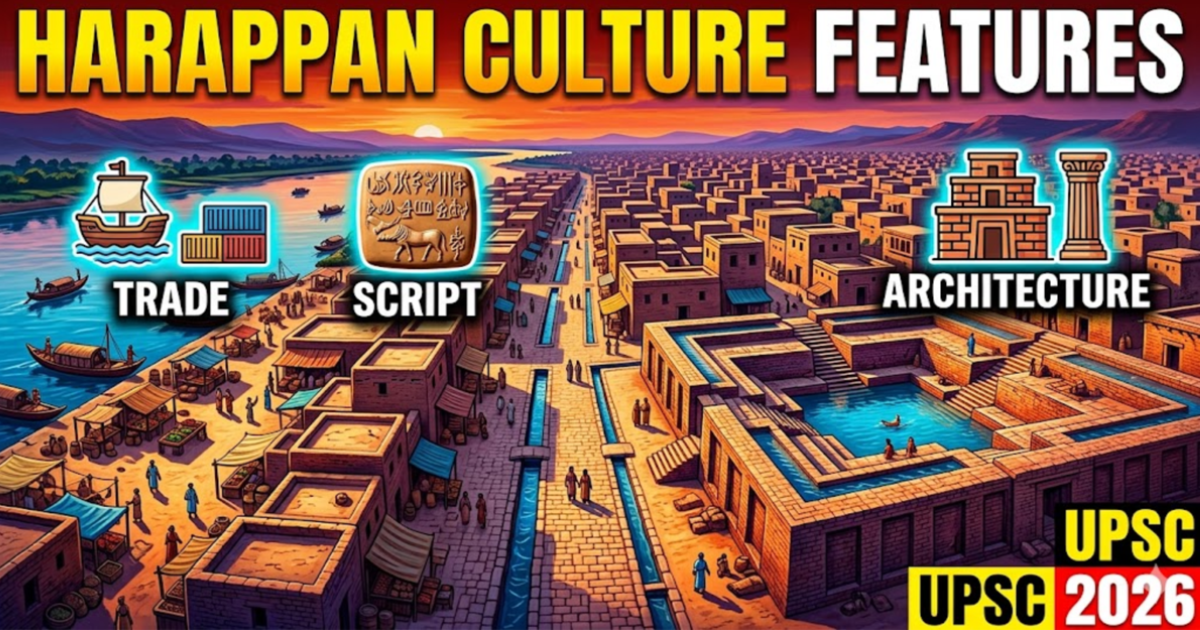
Key Features of Harappan Culture are an important part of ancient Indian history and are frequently asked in UPSC Prelims. The Harappan Civilization, also known as the Indus Valley Civilization, was one of the most advanced urban cultures (2600–1900 BCE). Understanding the key features of Harappan culture such as town planning, drainage system, trade, and script helps aspirants in quick revision and better scoring.
The Harappan Civilization is known for its advanced drainage system. Cities like Harappa and Mohenjo-daro show excellent planning. The Indus Valley Civilization had standardized weights and measures. These features are very important for UPSC Prelims notes.
| Site | Feature |
|---|---|
| Harappa | Granary |
| Mohenjo-daro | Great Bath |
| Lothal | Dockyard |
| Dholavira | Water System |
These key features of Harappan culture highlight the advanced nature of one of the earliest urban civilizations in the world.
🏙️ 1. Key Features of Harappan Culture: Advanced Urban Planning and City Layout
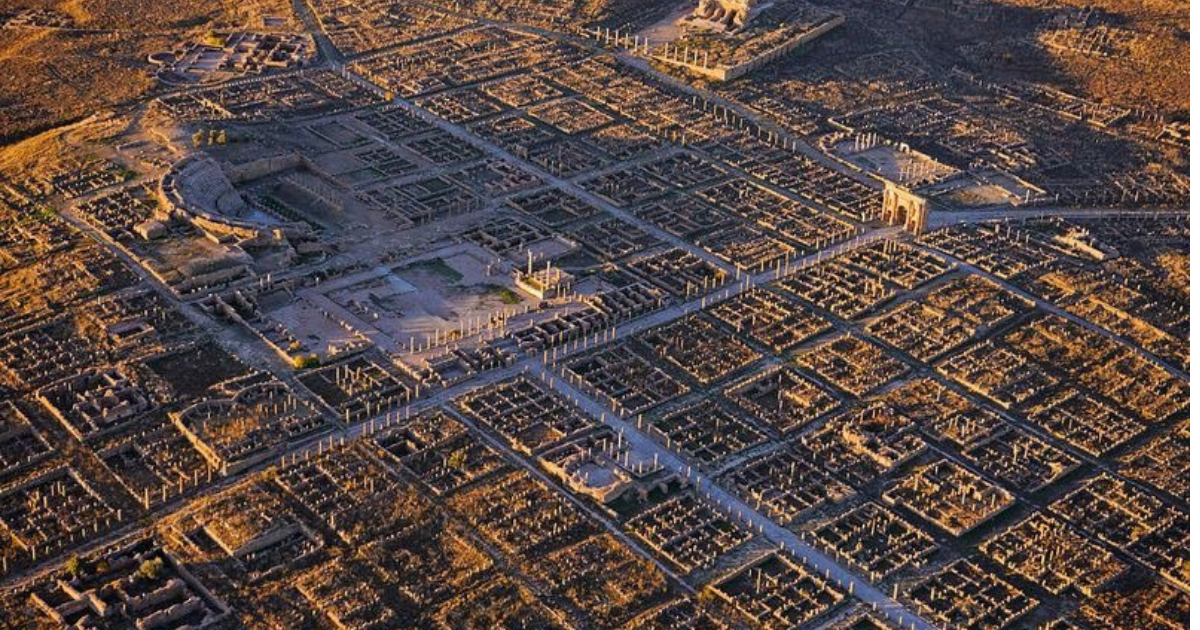
One of the most important key features of Harappan culture is its well-planned urban layout.
🔹 Grid-based street systems with precise measurements
Roads: North–South & East–West alignment
Harappan cities had roads laid out in straight lines running from north to south and east to west. This alignment ensured proper planning, easy navigation, and better air circulation within the city. It also shows their advanced understanding of urban design and direction.
Right-angle intersections
Harappan roads intersected each other at right angles (90°), forming a perfect grid pattern. This made the city layout highly organized and easy to navigate. It also reflects advanced planning and systematic urban design.
Scientific town planning
Harappan cities were designed with careful planning, keeping factors like drainage, ventilation, and space management in mind. The use of grid patterns, standardized construction, and proper zoning (citadel & lower town) shows a scientific and logical approach to urban development.
🔹 Sophisticated drainage and sewerage networks
Covered underground drains
Harappan cities had well-built underground drainage systems that were covered with stone slabs or bricks. These drains carried wastewater from houses to main streets, keeping the city clean and hygienic. This reflects their advanced understanding of sanitation and urban management.
House → street drainage system
Each house in Harappan cities was connected to a small drain that carried wastewater into larger street drains. This ensured smooth disposal of waste from individual homes to the main drainage system. It highlights their highly organized and efficient sanitation system.
Cleaning holes (inspection points)
Harappan drains had small openings or inspection holes at regular intervals for cleaning and maintenance. These allowed workers to remove blockages and ensure smooth water flow. This shows their advanced planning for long-term sanitation management.
These key features of Harappan culture highlight its scientific planning.
🔹 Standardized brick construction techniques
- Brick ratio: 1:2:4
- Burnt bricks for durability
- Uniformity across cities
🔹 Strategic location of public buildings and granaries
- Citadel (upper town) for public structures
- Granaries: food storage (Harappa, Mohenjo-daro)
- Administrative planning visible
💧 2. Revolutionary Water Management Systems
🔹 Underground drainage channels connecting every house
- Every house connected to drainage
- Efficient wastewater disposal
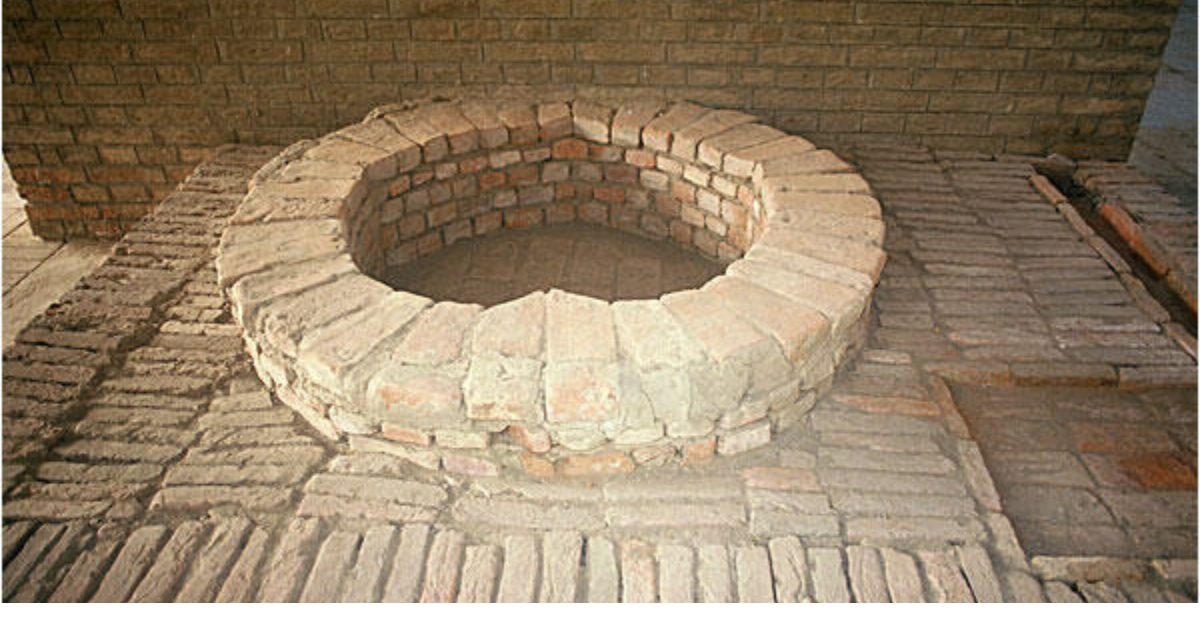
🔹 Public wells and private water storage facilities
- Public wells + private wells
- Water access in almost every house
🔹 Advanced bathing complexes and public baths
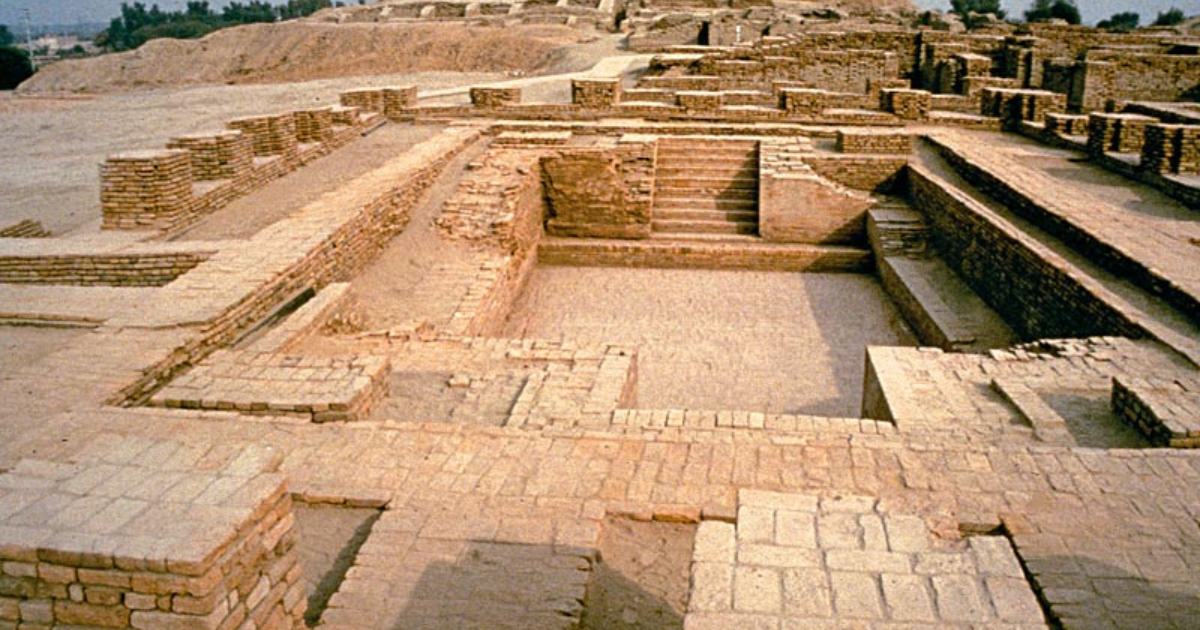
- Great Bath (Mohenjo-daro) ⭐
- Ritual bathing evidence
- Advanced waterproofing
💰 3. Trade System and Commercial Systems in Indus Valley Civilization
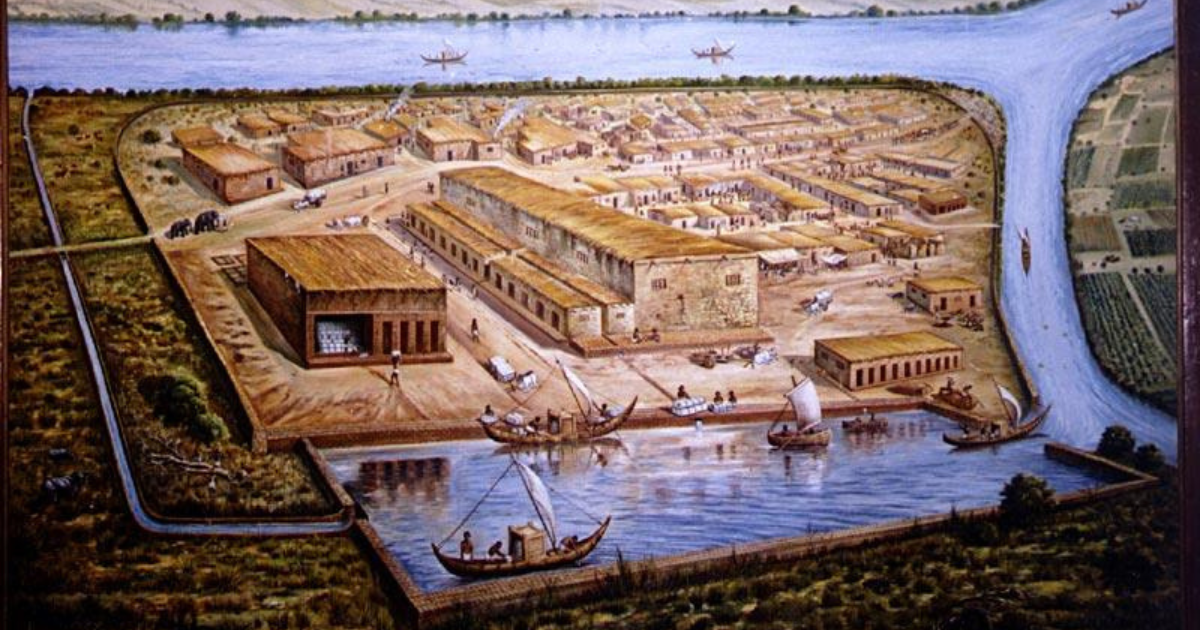
Key Features of Harappan Culture: Trade and Economy
Trade is another important aspect of key features of Harappan culture.
Trade and economy form a crucial part of the key features of Harappan culture.
🔹 Standardized weights and measures across cities
- Standardized system
- Binary weights (1, 2, 4, 8…)
🔹 Long-distance trade routes spanning continents
- Trade with Mesopotamia (Meluhha)
- Export: beads, cotton, pottery
🔹 Craft specialization
- Bead making, metallurgy, pottery
- Skilled artisans
🔹 Maritime trade
- Dockyard at Lothal ⭐
- Sea trade evidence
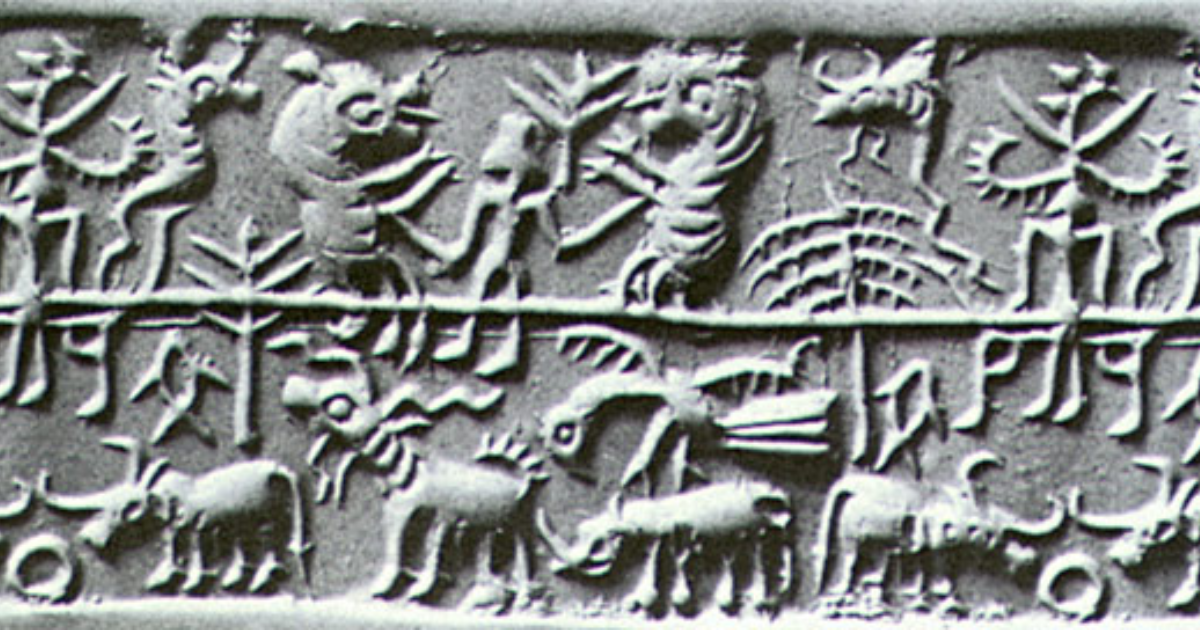
🔬 4. Remarkable Technological Innovations
🔹 Precision bronze and copper metallurgy
- Bronze (copper + tin)
- Copper tools & weapons
🔹 Advanced pottery techniques and kiln technology
- Wheel-made pottery
- Kiln technology used
🔹 Innovative agricultural tools and farming methods
- Basic farming tools
- Irrigation understanding
🎨 5. Unique Art and Craftsmanship Excellence
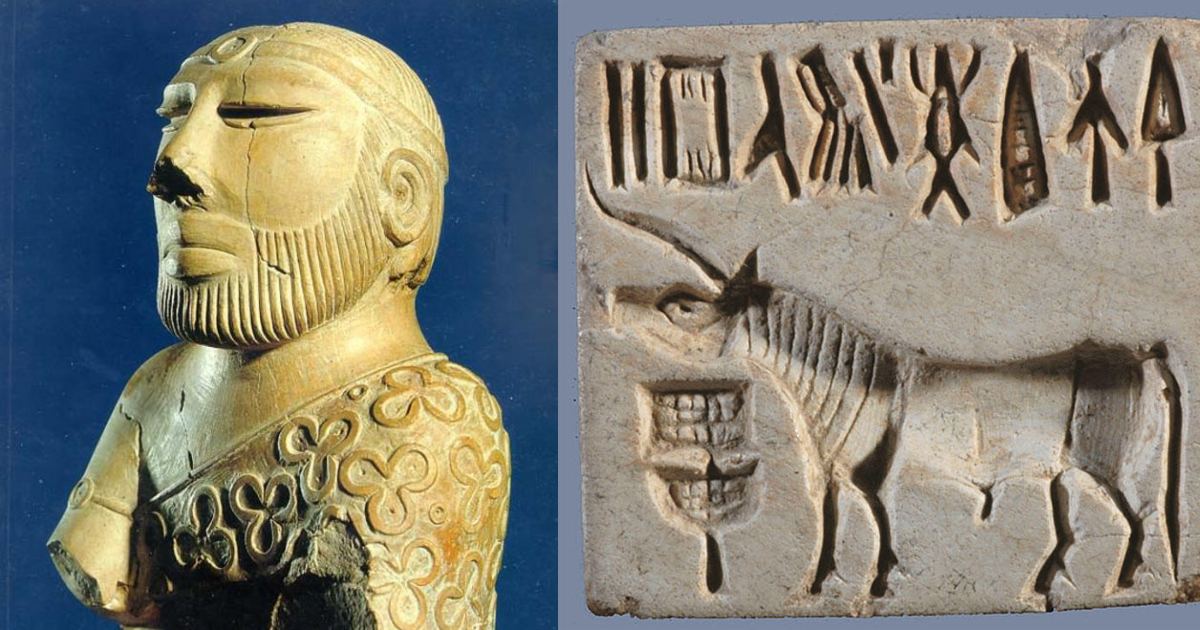
🔹 Intricate seal carving and symbol creation
- Animal motifs (Unicorn)
- Used in trade & administration
🔹 Distinctive pottery designs and decorative motifs
- Painted pottery
- Geometric patterns
🔹 Sophisticated jewelry and ornament making
- Gold, silver, beads
- High craftsmanship
🔹 Masterful sculpture and figurine craftsmanship
- Dancing Girl statue ⭐
- Bearded Priest statue
🧾 6. Key Features of Harappan Culture: Mysterious Script and Communication Methods
🔹 Undeciphered pictographic writing system
- Undeciphered till date ⚠️
- Pictographic symbols
🔹 Standardized symbol usage across regions
- Same symbols across sites
- Short inscriptions
🔹 Administrative record-keeping practices
- Seals & trade records
- Administrative purpose
For better preparation, you should also go through our History Syllabus for UPSC Prelims which helps in structured study.
👥 7. Egalitarian Social Structure and Governance
🔹 Absence of monumental palaces or temples
- No king or palace found
🔹 Evidence of social equality in housing standards
- Similar housing patterns
- No major class divide
🔹 Collective decision-making and urban management
- Planned cities → centralized control possible
- Collective administration
🌾 8. Advanced Agricultural Practices and Food Security
🔹 Efficient crop storage and granary systems
- Wheat, barley
- First evidence of cotton ⭐
🔹 Storage system
- Large granaries
- Food security ensured
🔹 Strategic food distribution networks
- Organized supply system
- Urban population support
🛕 9. Distinctive Religious and Cultural Practices
🔹 Ritual practices
- Bathing rituals (Great Bath)
- Purification importance
🔹 Beliefs
- Mother Goddess worship
- Proto-Shiva (Pashupati seal)
🔹 Animal worship
- Bull, unicorn
- Nature worship
🔹 Symbolism
- Fertility symbols
- Sacred patterns
🌍 10. Environmental Sustainability and Resource Management
🔹 Efficient waste disposal and recycling systems
Harappan cities had a well-organized drainage system that ensured proper disposal of waste and wastewater. This kept the cities clean and hygienic, reflecting their strong focus on sanitation and urban cleanliness.
🔹 Sustainable building material usage
They used locally available materials like clay and bricks, making construction economical and sustainable. The use of standardized, durable bricks ensured long-lasting structures.
🔹 Water conservation and management techniques
Harappans developed advanced systems like reservoirs (especially at Dholavira) to store water. Efficient usage and management of water resources show their awareness of conservation and environmental balance.
🔥 UPSC MOST IMPORTANT FACTS:
• Lothal = Dockyard
• Dholavira = Water system
• Script = Undeciphered
• Drainage = Advanced
• Bricks = 1:2:4
QUICK REVISION (Repeat Smartly)
- Harappan Civilization → Advanced drainage system
- Harappa & Mohenjo-daro → Excellent city planning
- Indus Valley Civilization → Standard weights & measures
- Important for UPSC Prelims notes
For a deeper understanding of the Harappan Civilization and its archaeological significance, you can refer to trusted sources like NCERT books and government resources. These sources provide authentic information on the Indus Valley Civilization, which is highly useful for UPSC Prelims preparation and conceptual clarity.
You can study more about the Indus Valley Civilization from NCERT and the Archaeological Survey of India (ASI) for authentic UPSC Prelims notes.
Related Post
100 Important World Current Affairs MCQs for UPSC Prelims 2027 with Answers
UPSC Prelims Practice Questions: 1000+ Important MCQs with Answers for 2026
100 Essential Current Affairs MCQs UPSC Prelims 2026 (Top Questions with Answers)
75 Important Polity Questions for UPSC Prelims (PYQs + Practice MCQs With Answers)
CONCLUSION
Overall, the key features of Harappan culture demonstrate a highly developed and organized civilization.
The Harappan Civilization and its cities like Harappa and Mohenjo-daro highlight advanced planning and standardized systems. These features make it a crucial topic for UPSC Prelims notes.
You can read our Indus Valley Civilization MCQs for UPSC for a detailed practice of this topic.
14 thoughts on “10 Powerful Key Features of Harappan Culture (UPSC Prelims 2027 Guide)”