The making of the Indian Constitution was the result of a long process of constitutional development that began during British rule and culminated in the work of the Constituent Assembly. Acts such as the Regulating Act of 1773, the Charter Acts and the Government of India Acts created important stages in this development, while the Constituent Assembly provided the framework for independent India’s Constitution.
This practice set Making of Constitution 100 MCQs covers 100 questions on these major stages, including constitutional reforms, the Constituent Assembly, the Drafting Committee, sources of the Constitution and important constitutional features. It is designed to help aspirants revise the historical background of Indian Polity and identify areas that require further study.
These Making of Constitution 100 MCQs are useful for:
- UPSC Prelims 2027
- State PCS Exams
- SSC & Other Competitive Exams
After understanding the making and constitutional development of India, aspirants should also revise the Fundamental Rights and Directive Principles that form an important part of the Constitution. Practice our 100 Fundamental Rights and DPSP MCQs for UPSC Prelims 2027 for focused revision.
Topics Covered
- Regulating Act 1773
- Pitt’s India Act 1784
- Charter Acts
- Government of India Act 1858
- Indian Councils Acts
- Government of India Acts 1909, 1919 & 1935
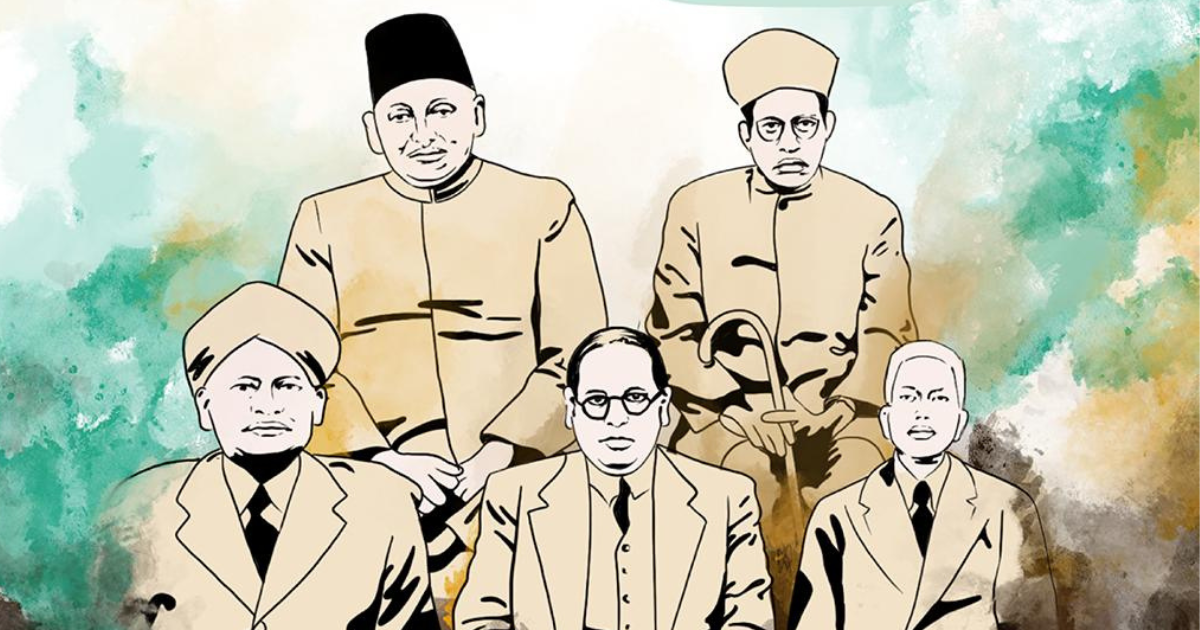
- Constituent Assembly
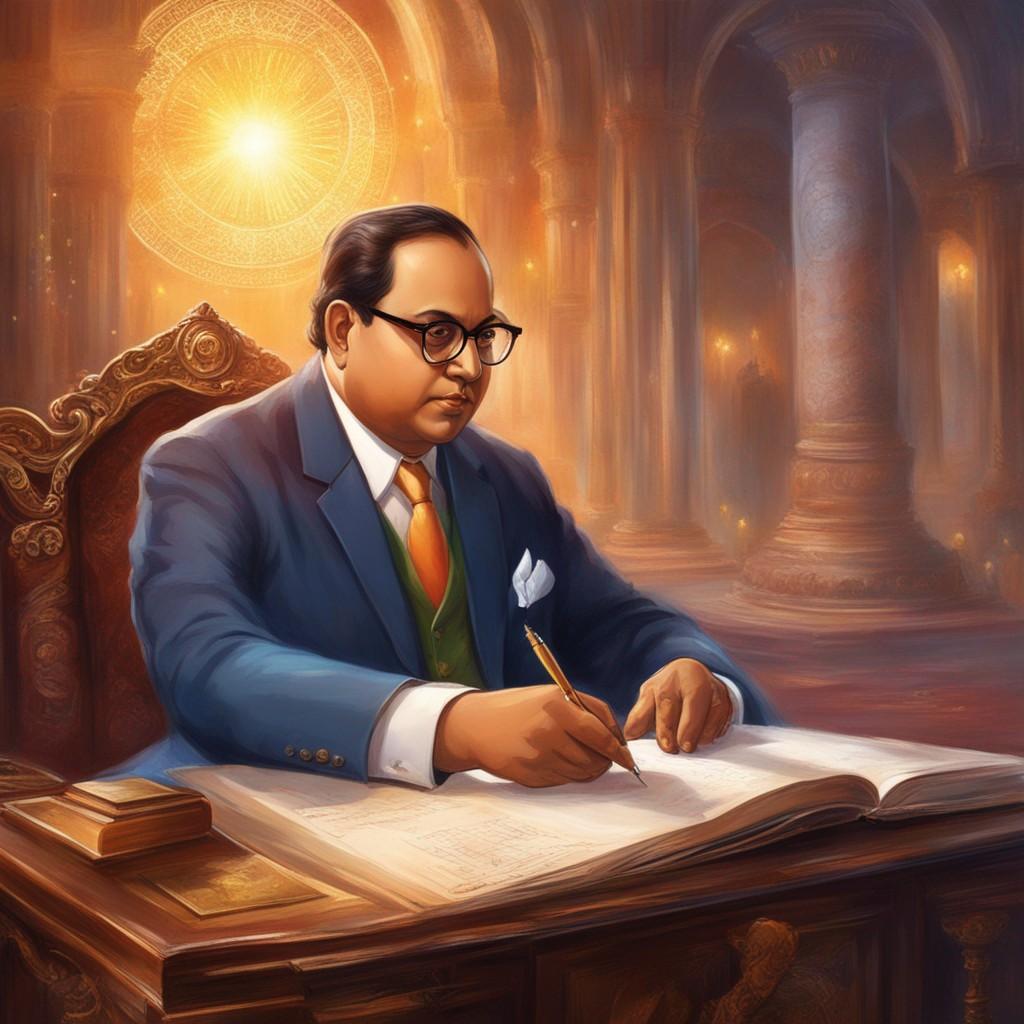
- Drafting Committee
- Sources of the Indian Constitution
- Constitutional Development & Important Features
Making of Constitution 100 MCQs have been designed for structured revision of constitutional development and Indian Polity and cover all major topics related to the making of the Indian Constitution.
Aspirants preparing for UPSC Prelims 2027 should also explore more Indian Polity and current affairs resources available on Knowledge Chronicles Plus for comprehensive preparation.
Section 1: Regulating Act 1773
Q1.
The Regulating Act was passed in:
A. 1773
B. 1784
C. 1813
D. 1858
Q2.
The Regulating Act was enacted by:
A. British Crown
B. East India Company
C. British Parliament
D. Constituent Assembly
Q3.
Who became the first Governor-General of Bengal under the Regulating Act?
A. Lord Cornwallis
B. Warren Hastings
C. Robert Clive
D. Lord Wellesley
Q4.
The Regulating Act established a Supreme Court at:
A. Bombay
B. Madras
C. Delhi
D. Calcutta
Q5.
The Supreme Court at Calcutta was established in:
A. 1773
B. 1774
C. 1784
D. 1793
Q6.
How many members were there in the Governor-General’s Executive Council under the Regulating Act?
A. 2
B. 3
C. 4
D. 5
Q7.
The Regulating Act attempted to control the servants of the East India Company by:
A. Increasing salaries
B. Prohibiting private trade and gifts
C. Reducing powers of Governor-General
D. Abolishing the Company
Q8.
Which Presidency was made subordinate to Bengal Presidency under the Regulating Act?
A. Bombay and Madras
B. Punjab and Bombay
C. Bengal and Madras
D. Bombay only
Q9.
The Regulating Act of 1773 is considered the first step towards:
A. Federalism
B. Parliamentary democracy
C. Centralized administration in India
D. Independence
Q10.
Which of the following was a major defect of the Regulating Act?
A. No Supreme Court
B. Conflict between Supreme Court and Executive Council
C. No Governor-General
D. No legislative powers
Answers: Section 1 of Making of Constitution 100 MCQs
- A
- C
- B
- D
- B
- C
- B
- A
- C
- B
Section 2: Pitt’s India Act 1784
Q11.
Pitt’s India Act was passed in:
A. 1773
B. 1784
C. 1813
D. 1833
Q12.
Pitt’s India Act was introduced during the tenure of:
A. Warren Hastings
B. William Pitt the Younger
C. Lord Cornwallis
D. Robert Clive
Q13.
The main objective of Pitt’s India Act was to:
A. End British rule in India
B. Improve control over East India Company affairs
C. Abolish Governor-General’s post
D. Introduce independence
Q14.
Pitt’s India Act introduced the system of:
A. Provincial autonomy
B. Dual Government
C. Dyarchy
D. Federalism
Q15.
Under Pitt’s India Act, the commercial affairs were managed by:
A. British Crown
B. Board of Control
C. Court of Directors
D. Governor-General
Q16.
The political affairs of the Company came under the control of:
A. Supreme Court
B. Board of Control
C. Constituent Assembly
D. Parliament of India
Q17.
The Board of Control consisted of:
A. 2 members
B. 4 members
C. 6 members
D. 8 members
Q18.
Pitt’s India Act distinguished between:
A. Central and State powers
B. Commercial and political functions
C. Judiciary and Executive
D. Civil and criminal laws
Q19.
Which of the following was strengthened by Pitt’s India Act?
A. Powers of Presidencies
B. British Government’s control over India
C. Independence of East India Company
D. Provincial autonomy
Q20.
Pitt’s India Act of 1784 remained an important constitutional landmark because it:
A. Introduced Fundamental Rights
B. Established complete democracy
C. Increased Crown control over Company administration
D. Created Lok Sabha
Answers: Section 2 of Making of Constitution 100 MCQs
- B
- B
- B
- B
- C
- B
- C
- B
- B
- C
Students preparing for UPSC Prelims 2027 should regularly practice Making of Constitution 100 MCQs to improve conceptual clarity and revision speed in Indian Polity.
Section 3: Charter Acts
Q21.
The Charter Act of 1813 ended the monopoly of the East India Company over:
A. Tea trade only
B. Trade with India
C. Trade with China only
D. All international trade
Q22.
Under the Charter Act of 1813, Christian missionaries were allowed to:
A. Participate in administration
B. Trade freely
C. Spread education and Christianity in India
D. Join the army
Q23.
Which Charter Act first attempted to promote education in India?
A. Charter Act 1793
B. Charter Act 1813
C. Charter Act 1833
D. Charter Act 1853
Q24.
The Charter Act of 1833 made the Governor-General of Bengal the:
A. Governor-General of India
B. Viceroy of India
C. Secretary of State
D. President of Council
Q25.
Who became the first Governor-General of India under the Charter Act of 1833?
A. Warren Hastings
B. Lord William Bentinck
C. Lord Dalhousie
D. Lord Cornwallis
Q26.
The Charter Act of 1833 ended the East India Company’s:
A. Political functions
B. Military powers
C. Commercial activities
D. Judicial authority
Q27.
Which Charter Act introduced an open competition system for civil services in principle?
A. Charter Act 1813
B. Charter Act 1833
C. Charter Act 1853
D. Indian Councils Act 1861
Q28.
The Charter Act of 1853 separated:
A. Judiciary from Executive
B. Legislative and Executive functions of the Governor-General’s Council
C. Central and Provincial subjects
D. Military and Civil administration
Q29.
Which Charter Act was the last Charter Act passed for the East India Company?
A. Charter Act 1813
B. Charter Act 1833
C. Charter Act 1853
D. Government of India Act 1858
Q30.
The Charter Acts were passed by:
A. Indian Parliament
B. British Parliament
C. Constituent Assembly
D. East India Company
Answers: Section 3 of Making of Constitution 100 MCQs
- B
- C
- B
- A
- B
- C
- C
- B
- C
- B
Section 4: Government of India Act 1858 & Indian Councils Acts
Q31.
The Government of India Act 1858 was passed after:
A. Battle of Plassey
B. Revolt of 1857
C. Charter Act 1833
D. Partition of Bengal
Q32.
The Government of India Act 1858 transferred power from:
A. British Crown to Parliament
B. East India Company to British Crown
C. Governor-General to Crown
D. Parliament to Company
Q33.
The post of Governor-General was changed to:
A. Prime Minister
B. President
C. Viceroy
D. Secretary of State
Q34.
Who became the first Viceroy of India?
A. Lord Canning
B. Lord Curzon
C. Lord Dalhousie
D. Lord Ripon
Q35.
The office of Secretary of State for India was created by:
A. Charter Act 1833
B. Government of India Act 1858
C. Indian Councils Act 1861
D. Government of India Act 1919
Q36.
The Secretary of State for India was assisted by:
A. Constituent Assembly
B. Executive Council
C. Council of India
D. Supreme Court
Q37.
The Indian Councils Act 1861 introduced:
A. Bicameral legislature
B. Portfolio system
C. Dyarchy
D. Provincial autonomy
Q38.
Which Act restored legislative powers to Bombay and Madras Presidencies?
A. Indian Councils Act 1861
B. Indian Councils Act 1892
C. Government of India Act 1919
D. Charter Act 1853
Q39.
The Indian Councils Act 1892 increased the functions of:
A. Judiciary
B. Legislative Councils
C. Supreme Court
D. Governor-General only
Q40.
The Indian Councils Act 1892 allowed members to:
A. Elect the Governor-General
B. Discuss the budget
C. Amend the Constitution
D. Introduce Money Bills
Answers: Section 4 of Making of Constitution 100 MCQs
- B
- B
- C
- A
- B
- C
- B
- A
- B
- B
This Making of Constitution 100 MCQs series includes important questions from Charter Acts, Government of India Acts, and constitutional reforms frequently asked in UPSC and State PCS examinations.
Section 5: Government of India Acts 1909, 1919 &1935
Q41.
The Government of India Act 1909 is also known as:
A. Morley-Minto Reforms
B. Montagu-Chelmsford Reforms
C. Simon Reforms
D. Ripon Reforms
Q42.
The Government of India Act 1909 introduced:
A. Dyarchy
B. Provincial autonomy
C. Separate electorates
D. Federalism
Q43.
Separate electorates were introduced for:
A. Hindus
B. Muslims
C. Sikhs
D. Christians
Q44.
The Government of India Act 1919 is popularly known as:
A. Morley-Minto Reforms
B. Montagu-Chelmsford Reforms
C. Ripon Reforms
D. Charter Reforms
Q45.
Dyarchy in provinces was introduced by:
A. Government of India Act 1909
B. Government of India Act 1919
C. Government of India Act 1935
D. Indian Councils Act 1892
Q46.
Under dyarchy, provincial subjects were divided into:
A. Central and State
B. Reserved and Transferred
C. Judicial and Executive
D. Civil and Criminal
Q47.
Which Act introduced bicameralism at the Centre?
A. Government of India Act 1909
B. Government of India Act 1919
C. Government of India Act 1935
D. Charter Act 1833
Q48.
Provincial autonomy was introduced by:
A. Government of India Act 1919
B. Government of India Act 1935
C. Indian Councils Act 1909
D. Charter Act 1853
Q49.
Which Act provided for the establishment of a Federal Court?
A. Government of India Act 1909
B. Government of India Act 1919
C. Government of India Act 1935
D. Indian Independence Act 1947
Q50.
The Government of India Act 1935 served as the basis for:
A. Indian Penal Code
B. Indian Constitution
C. Cabinet Mission Plan
D. Simon Commission
Answers: Section 5 of Making of Constitution 100 MCQs
- A
- C
- B
- B
- B
- B
- B
- B
- C
- B
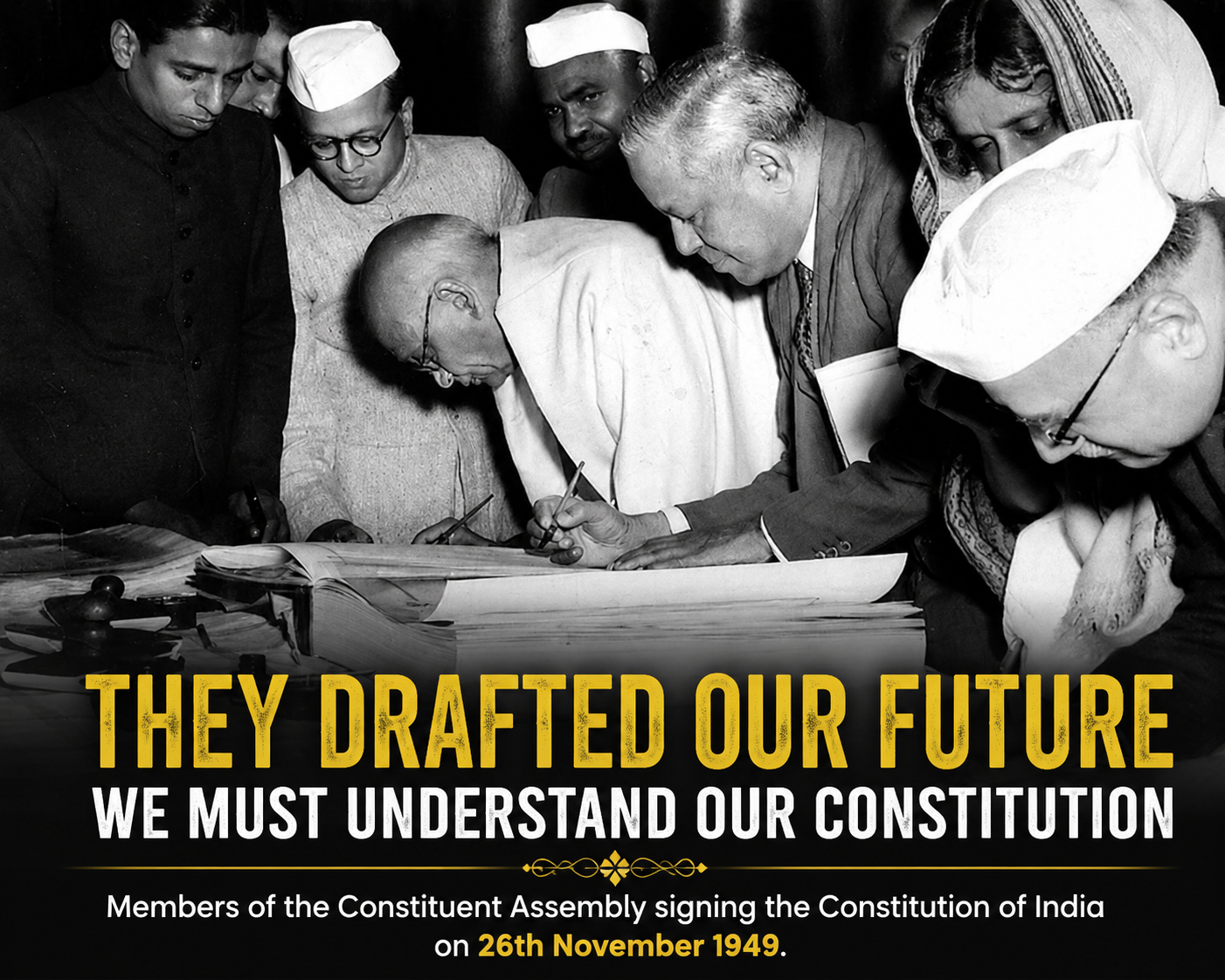
Section 6: Constituent Assembly
Q51.
The Constituent Assembly was constituted under:
A. Cripps Mission
B. Cabinet Mission Plan
C. Mountbatten Plan
D. Simon Commission
Q52.
The Constituent Assembly held its first meeting on:
A. 15 August 1947
B. 26 January 1950
C. 9 December 1946
D. 26 November 1949
Q53.
Who was the temporary Chairman of the Constituent Assembly?
A. Rajendra Prasad
B. Jawaharlal Nehru
C. Sachchidananda Sinha
D. B.N. Rau
Q54.
Who became the permanent President of the Constituent Assembly?
A. Jawaharlal Nehru
B. Rajendra Prasad
C. B.R. Ambedkar
D. Vallabhbhai Patel
Q55.
The total strength of the Constituent Assembly originally was:
A. 299
B. 389
C. 395
D. 250
Q56.
After partition, the strength of the Constituent Assembly was reduced to:
A. 299
B. 389
C. 250
D. 325
Q57.
The Constituent Assembly took how much time to frame the Constitution?
A. 1 year 11 months 18 days
B. 2 years 11 months 18 days
C. 3 years 11 months 18 days
D. 4 years 11 months 18 days
Q58.
How many sessions of the Constituent Assembly were held?
A. 9
B. 10
C. 11
D. 12
Q59.
The Objective Resolution was moved by:
A. B.R. Ambedkar
B. Jawaharlal Nehru
C. Rajendra Prasad
D. Sardar Patel
Q60.
The Objective Resolution later became the:
A. Fundamental Rights
B. Preamble of the Constitution
C. DPSP
D. Union List
Answers: Section 6 of Making of Constitution 100 MCQs
- B
- C
- C
- B
- B
- A
- B
- C
- B
- B
Aspirants can use these Making of Constitution 100 MCQs for daily revision and self-assessment before UPSC Prelims 2027
Section 7: Drafting Committee
Q61.
The Drafting Committee of the Constituent Assembly was formed in:
A. 1946
B. 1947
C. 1948
D. 1950
Q62.
Who was the Chairman of the Drafting Committee?
A. Jawaharlal Nehru
B. Rajendra Prasad
C. B.R. Ambedkar
D. Vallabhbhai Patel
Q63.
The Drafting Committee was appointed on:
A. 15 August 1947
B. 29 August 1947
C. 26 January 1950
D. 9 December 1946
Q64.
How many members were originally there in the Drafting Committee?
A. 5
B. 6
C. 7
D. 8
Q65.
Who among the following was a member of the Drafting Committee?
A. K.M. Munshi
B. Mahatma Gandhi
C. Subhas Chandra Bose
D. C. Rajagopalachari
Q66.
Who was the Constitutional Advisor to the Constituent Assembly?
A. Alladi Krishnaswamy Ayyar
B. B.N. Rau
C. K.M. Munshi
D. T.T. Krishnamachari
Q67.
The first draft of the Constitution was prepared by:
A. B.R. Ambedkar
B. B.N. Rau
C. Jawaharlal Nehru
D. Rajendra Prasad
Q68.
The Drafting Committee prepared the draft Constitution by considering:
A. Only British laws
B. Only Government of India Act 1935
C. Reports of committees and constitutional sources
D. Only American Constitution
Q69.
Which member of the Drafting Committee later stated that Ambedkar was the “chief architect” of the Constitution?
A. Jawaharlal Nehru
B. T.T. Krishnamachari
C. Rajendra Prasad
D. K.M. Munshi
Q70.
The final draft of the Constitution was adopted on:
A. 15 August 1947
B. 26 November 1949
C. 26 January 1950
D. 9 December 1946
Answers: Section 7 of Making of Constitution 100 MCQs
- B
- C
- B
- C
- A
- B
- B
- C
- B
- B
Section 8: Sources of the Indian Constitution
Q71.
The Fundamental Rights in the Indian Constitution are borrowed from the Constitution of:
A. UK
B. USA
C. Canada
D. Australia
Q72.
The Directive Principles of State Policy are borrowed from:
A. Ireland
B. USA
C. France
D. USSR
Q73.
The Parliamentary system in India is borrowed from:
A. USA
B. Canada
C. UK
D. Australia
Q74.
The concept of Fundamental Duties was borrowed from:
A. USA
B. USSR
C. France
D. Germany
Q75.
The idea of Concurrent List was borrowed from:
A. Canada
B. Australia
C. Ireland
D. Japan
Q76.
The procedure established by law was borrowed from:
A. UK
B. USA
C. Japan
D. France
Q77.
The idea of Republic and ideals of Liberty, Equality and Fraternity were borrowed from:
A. USA
B. Canada
C. France
D. USSR
Q78.
The federal system with a strong Centre was borrowed from:
A. Canada
B. Australia
C. UK
D. Ireland
Q79.
The concept of Judicial Review was borrowed from:
A. UK
B. France
C. USA
D. USSR
Q80.
The amendment procedure of the Indian Constitution was influenced by:
A. South Africa
B. Germany
C. Russia
D. Switzerland
Answers: Section 8 of Making of Constitution 100 MCQs
- B
- A
- C
- B
- B
- C
- C
- A
- C
- A
This section focuses on important constitutional sources and the ideas that influenced the framework of the Indian Constitution.
Section 9: Constitutional Development & Important Features
Q81.
The Constitution of India was adopted on:
A. 15 August 1947
B. 26 November 1949
C. 26 January 1950
D. 9 December 1946
Q82.
The Constitution of India came into force on:
A. 26 November 1949
B. 15 August 1947
C. 26 January 1950
D. 2 October 1950
Q83.
The Constitution of India is regarded as:
A. Unwritten Constitution
B. Rigid Constitution
C. Flexible Constitution
D. Partly rigid and partly flexible Constitution
Q84.
The Indian Constitution is often described as:
A. Completely federal
B. Completely unitary
C. Quasi-federal
D. Presidential Constitution
Q85.
Who described the Indian Constitution as “a lawyer’s paradise”?
A. Granville Austin
B. Ivor Jennings
C. Morris Jones
D. K.C. Wheare
Q86.
How many schedules were originally there in the Constitution?
A. 8
B. 10
C. 12
D. 14
Q87.
How many Articles were originally there in the Constitution?
A. 395
B. 448
C. 370
D. 250
Q88.
The Constitution of India declares India to be:
A. Federal Socialist Republic
B. Sovereign Democratic Republic
C. Sovereign Socialist Secular Democratic Republic
D. Unitary Democratic Republic
Q89.
The words “Socialist” and “Secular” were added to the Preamble by:
A. 24th Amendment
B. 42nd Amendment
C. 44th Amendment
D. 52nd Amendment
Q90.
The Constitution of India is the:
A. Shortest written Constitution in the world
B. Oldest Constitution in the world
C. Longest written Constitution in the world
D. Most rigid Constitution in the world
Answers: Section 9 of Making of Constitution 100 MCQs
- B
- C
- D
- C
- B
- A
- A
- C
- B
- C
Section 10: Important Committees & Constitutional Facts
Q91.
Who was the Chairman of the Union Powers Committee of the Constituent Assembly?
A. B.R. Ambedkar
B. Jawaharlal Nehru
C. Sardar Patel
D. Rajendra Prasad
Q92.
Who was the Chairman of the Provincial Constitution Committee?
A. Jawaharlal Nehru
B. B.R. Ambedkar
C. Rajendra Prasad
D. Sardar Patel
Q93.
The Advisory Committee on Fundamental Rights and Minorities was headed by:
A. Jawaharlal Nehru
B. Sardar Patel
C. Rajendra Prasad
D. K.M. Munshi
Q94.
Who was the Chairman of the Rules of Procedure Committee?
A. Rajendra Prasad
B. Sardar Patel
C. B.R. Ambedkar
D. Jawaharlal Nehru
Q95.
The Steering Committee of the Constituent Assembly was headed by:
A. Jawaharlal Nehru
B. Rajendra Prasad
C. B.R. Ambedkar
D. Sardar Patel
Q96.
Who signed the Indian Constitution first?
A. Jawaharlal Nehru
B. B.R. Ambedkar
C. Rajendra Prasad
D. Sardar Patel
Q97.
The Constitution was finally signed by the members on:
A. 26 November 1949
B. 24 January 1950
C. 26 January 1950
D. 15 August 1947
Q98.
The original Constitution of India was handwritten in:
A. English only
B. Hindi only
C. English and Hindi
D. Sanskrit and Hindi
Q99.
Who handwritten the original Constitution of India in italic style?
A. Prem Behari Narain Raizada
B. B.N. Rau
C. Nandalal Bose
D. B.R. Ambedkar
Q100.
The original copies of the Indian Constitution are preserved in:
A. Supreme Court
B. Parliament House Library
C. National Archives of India
D. Rashtrapati Bhavan
Answers: Section 10 of Making of Constitution 100 MCQs
- B
- C
- B
- A
- B
- Jawaharlal Nehru
- B
- C
- A
- B
Practicing Making of Constitution 100 MCQs regularly can significantly improve accuracy in UPSC Prelims Polity questions. These MCQs are especially useful for quick revision of historical background and constitutional development topics.
Most Important Resources for UPSC Prelims 2027
- Current Affairs For UPSC Prelims 2027
- Polity for UPSC Prelims 2027
- Economy for UPSC Prelims 2027
- History for UPSC Prelims 2027
- Science and Technology for UPSC Prelims 2027
- Geography for UPSC Prelims 2027
Useful External Resources for UPSC Polity Preparation
- Visit the official UPSC Official Website for UPSC notifications, syllabus, and examination updates.
- Read legislative and constitutional analysis on PRS Legislative Research for deeper understanding of Indian Polity and governance.
- Follow PIB India for authentic government updates and current affairs important for UPSC preparation.
- Refer to NCERT Official Website for foundational Political Science textbooks and study material.
- Explore constitutional documents and legal references through India Code for authentic legal and constitutional information.
Conclusion
Understanding the making of the Indian Constitution provides an important foundation for studying Indian Polity. The constitutional Acts, the work of the Constituent Assembly, the Drafting Committee and the sources of various constitutional provisions together explain how the present constitutional framework evolved.
Use these questions as a revision exercise, but revisit the underlying historical and constitutional developments whenever a topic is unclear. Connecting these developments with the provisions of the Constitution can make Polity preparation more conceptual and useful for Prelims.
5 thoughts on “Making of Constitution 100 MCQs for UPSC Prelims 2027: Important Indian Polity Questions”